Inflation in Pakistan Rises to 6.1% in November 2025
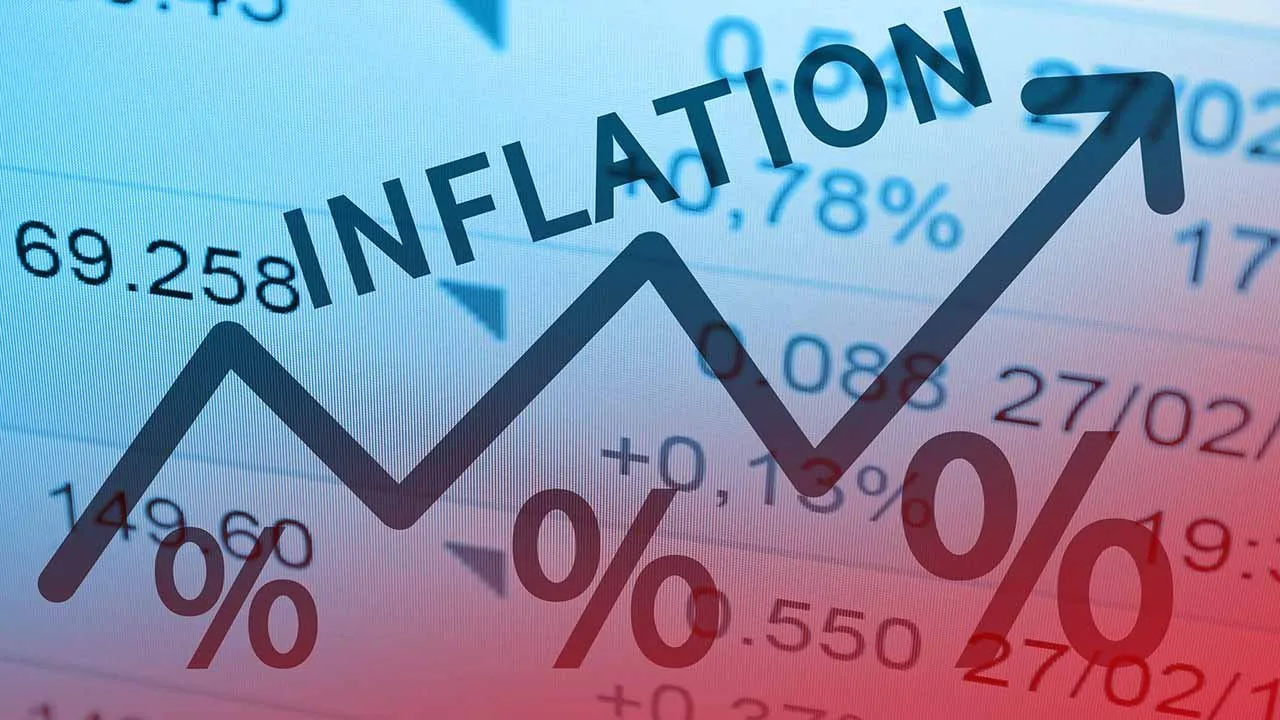
Pakistan’s headline inflation climbed to 6.1% year-on-year in November 2025, according to fresh data from the Pakistan Bureau of Statistics (PBS). The figure marks a slight increase compared to previous months and indicates renewed pressure on consumer prices across the country.
Government projections earlier suggested inflation would remain within the 5–6% range, but the latest numbers show the upper end of that estimate has been crossed. On a month-on-month basis, inflation rose by 0.4%, reflecting gradual price increases in key economic sectors.
Key Drivers of Inflation
- Food and essential commodities continued to push inflation upward due to supply chain disruptions and higher market demand.
- Energy, housing, and utility costs also saw notable increases, adding to the overall rise in consumer prices.
Impact on Households and the Economy
The steady rise in prices is likely to affect purchasing power, particularly for low- and middle-income households that rely heavily on essential goods. With rising costs in multiple categories, consumers may face additional strain heading into the coming months.
The State Bank of Pakistan may also consider these numbers carefully as it weighs future monetary policy decisions, balancing the need for economic stability with inflation control.
Outlook
Economists caution that inflation may remain volatile going forward, especially if global commodity markets shift or domestic supply issues persist. The coming months will be critical for policymakers as they work to stabilize prices and support economic recovery.
Related stories
 Economy
Pakistan Shares Auto Policy 2026–31 Draft With IMF
 Middle East
Iran Backs Makkah Defence Pact, Ready to Join Unity Efforts
 Government
PM: Govt Working to Ensure Decent Livelihoods for All
 Economy
Aurangzeb, Fitch Discuss Pakistan’s Credit Outlook
 Oil & Gas
Govt Prioritises Transparent, Competitive LPG Allocation
 Economy