Google Pixel 10 Pro XL Redefines Smartphone Photography
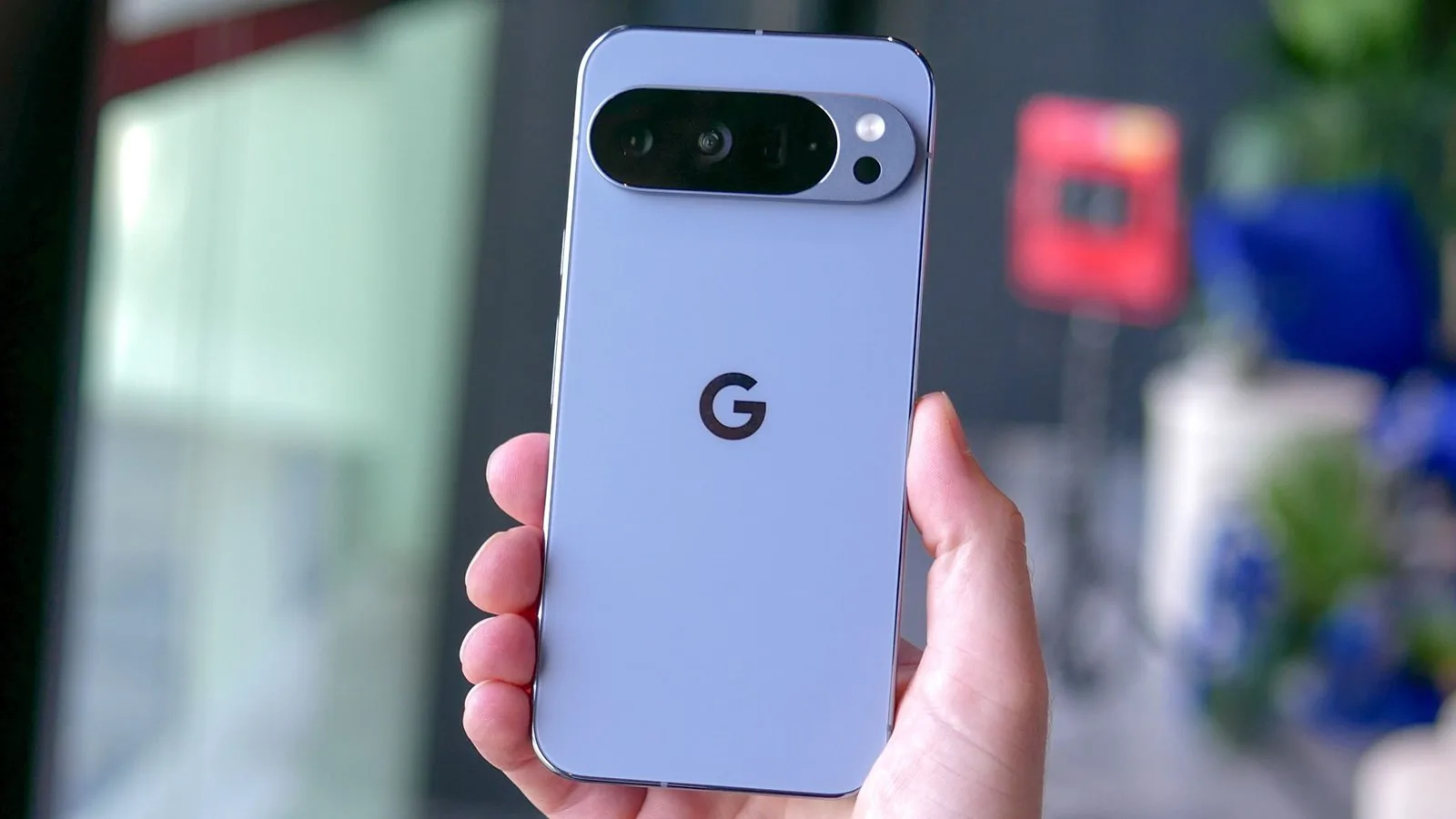
Google has officially launched its Pixel 10 series, with the spotlight firmly on the Pixel 10 Pro and Pro XL’s advanced camera system. While the hardware specifications remain similar to last year, the real breakthrough lies in Google’s AI-driven photography and Tensor G5 image processing.
The Pixel 10 Pro XL retains a 50MP main sensor, 48MP ultrawide, and 48MP telephoto, but thanks to AI and upgraded stabilisation, the photos look more natural, with reduced artificial HDR effects. During hands-on tests in Paris, the device excelled in challenging lighting conditions, balancing highlights and shadows with impressive accuracy.
Zoom capabilities are a highlight:
- 5x optical zoom via telephoto.
- 30x digital zoom enhanced by AI.
- 100x AI-assisted generative zoom, reconstructing lost details—ideal for static shots like landscapes or skylines.
On the video front, the Pixel 10 Pro’s main 50MP lens now doubles its optical stabilisation range, giving handheld videos a cinematic feel. The inclusion of the AV1 codec reduces video file size by 25–30% without quality loss, though app support is still limited.
AI features further elevate the experience:
- Best Take ensures flawless group shots by combining multiple frames.
- Camera Coach provides framing and shooting tips with live on-screen prompts.
- Accessibility upgrades allow the camera to generate audio scene descriptions for visually impaired users.
In comparison tests, the Pixel 10 Pro XL held its ground against Apple’s iPhone 16 Pro Max and Samsung’s Galaxy S25 Ultra, showcasing detailed imaging, stable video, and intelligent AI tools that simplify pro-level photography for everyday users.
Early impressions suggest that while Google hasn’t revolutionized camera hardware, it has redefined smartphone photography through AI, positioning the Pixel 10 Pro XL among the best camera phones of 2025.
Related stories
 Technology
26%: The Number Anthropic Just Revealed About Claude Building Itself
 Technology
Amazon Just Joined the AI Safety Debate — But Notably Refused to Do One Thing
 Technology
Even AI's Own Creators Now Say: Slow Down. But Can They Actually Do It?
· 3 min read Technology
The $50 Billion Target — And the Awkward Story a Minister Told to Explain Why It's Not Easy
· 3 min read Technology
DeepSeek Unveils New V4.1 Flash Model Ahead of Potential Shanghai IPO
· 4 min read Technology