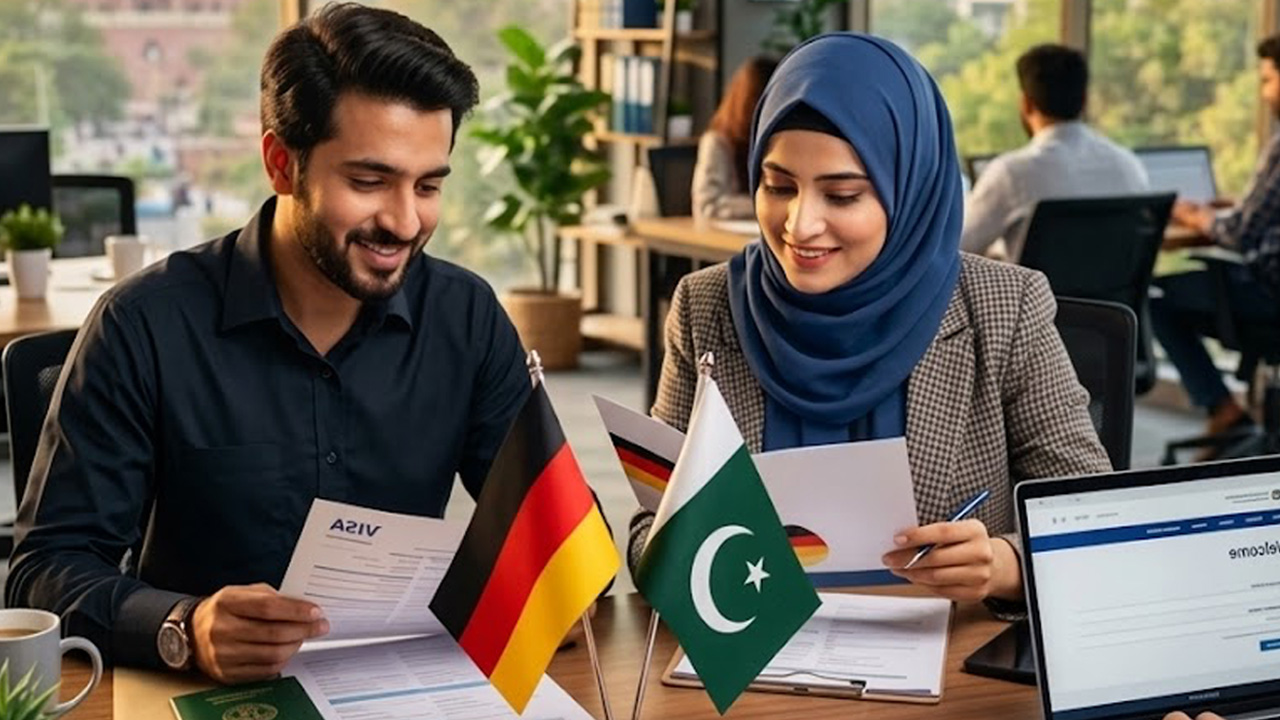
Germany has introduced historic changes to its immigration and labor laws, creating an unprecedented gateway for skilled Pakistani professionals to move, work, and settle in Europe. Facing a massive labor shortage, Germany actively recruits thousands of qualified workers annually across multiple sectors.
If you are an IT specialist, engineer, healthcare professional, or skilled trade worker, this is your golden opportunity. Here is everything you need to know about Germany’s new pathways and how you can apply.
Why Germany is Targeting Pakistani Talent
Germany’s modernized Skilled Immigration Act (Fachkräfteeinwanderungsgesetz) has significantly lowered the barriers for non-EU professionals. The German government recognizes that Pakistan possesses a vast pool of young, highly motivated, and technically skilled talent.
Key changes to the law include:
- No Formal Recognition Needed (for some): Under the new “practical knowledge” pathway, if you have at least two years of vocational training or a degree, combined with at least two years of relevant work experience, you may not need to go through the lengthy and expensive official degree recognition process.
- Lower Language Barriers: Many high-demand roles—especially in the tech, engineering, and multinational sectors—now only require professional proficiency in English (B2 level) rather than fluent German.
- Fast-Track to Permanent Residency: Highly qualified workers, especially those qualifying for the EU Blue Card, can fast-track their permanent residency (PR) in as little as 21 months if they learn basic German.
The Two Main Pathways to Apply
1. The Opportunity Card (Chancenkarte)
Don’t have a job offer yet? No problem. The newly introduced Opportunity Card is a points-based visa that allows skilled Pakistanis to enter Germany for up to 12 months specifically to look for a job.
- How it works: You must score at least 6 points based on criteria like your age, qualifications, language skills (English B2 or German A1), and previous ties to Germany.
- Perks: While looking for a permanent job, you are legally allowed to work part-time (up to 20 hours a week) to support yourself financially.
2. Direct Job Placement (The EU Blue Card & Skilled Visa)
If you land a job offer from Pakistan, your employer can sponsor your visa.
- For highly paid professions or shortage occupations (IT, Engineering, Healthcare, and Education), the EU Blue Card is the premier choice.
- It offers immediate entry, easy family reunification (including bringing spouses and, in some cases, parents), and the fastest route to settlement.
High-Demand Sectors in Germany
If your profession falls under these categories, your chances of securing a job with visa sponsorship are exceptionally high:
- IT & Software Engineering (Developers, Data Scientists, Systems Architects)
- Healthcare (Nurses, Doctors, and Allied Health Professionals)
- Engineering (Mechanical, Civil, Electrical, and Automotive)
- Skilled Trades & Craftspeople (Plumbers, Electricians, and Machinists)
Step-by-Step: How to Start Your Application
- Update Your CV to German Standards: Ensure your resume is formatted in the classic “Europass” or German layout, focusing heavily on your practical skills and measurable professional experience.
- Search for Jobs with Visa Sponsorship: Use official and reputable job portals. The best places to look are:
- Make it in Germany (The German Federal Government’s official job portal)
- Arbeitnow (Great for English-speaking tech roles with visa support)
- LinkedIn and Xing (Germany’s professional networking site)
- Verify Your Qualifications: If required for your pathway, check if your university degree is recognized in Germany via the official Anabin database.
- Prepare Your Documents: Gather your academic degrees, employment certificates, valid passport, and proof of language proficiency (IELTS/TOEFL for English or Goethe-Institut certificates for German).
- Apply at the German Embassy/Consulate: Once you receive a valid job contract or score enough points for the Opportunity Card, book your visa appointment early at the German Consulate in Karachi or the Embassy in Islamabad.