FBR Systems Cause $11 Billion Import Data Discrepancy
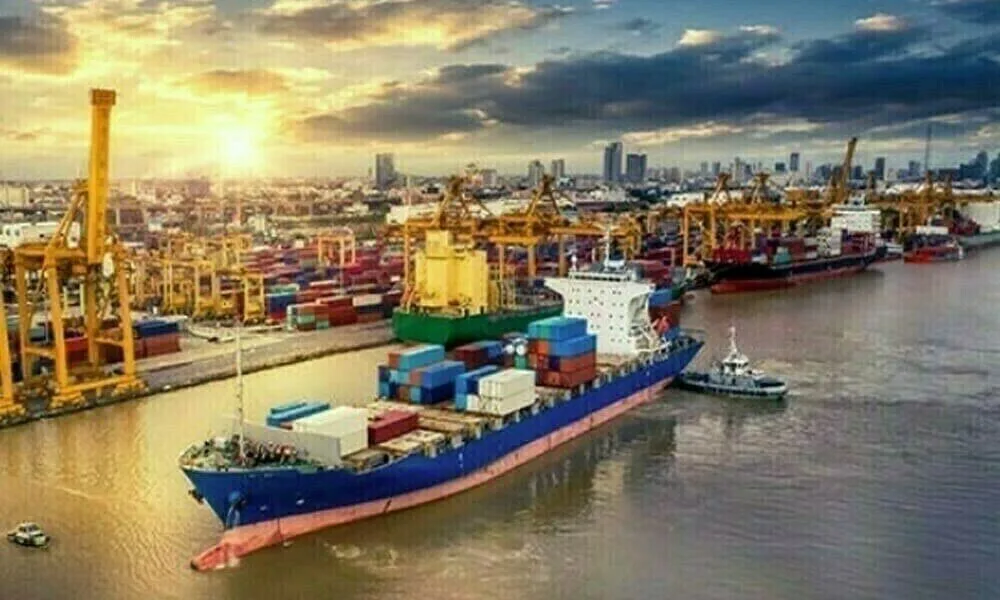
ISLAMABAD: The Ministry of Commerce and the Pakistan Bureau of Statistics (PBS) on Monday briefed the National Assembly Standing Committee on Commerce regarding an $11 billion discrepancy in Pakistan’s import data, traced to two entities operating under the Federal Board of Revenue (FBR) — Pakistan Revenue Automation Limited (PRAL) and Pakistan Single Window (PSW).
According to officials, the difference emerged due to inconsistencies in import data compiled by PRAL and PSW, with each system recording trade transactions differently. The ministry clarified that the discrepancy was purely statistical and procedural in nature, not financial, emphasizing that it does not affect Pakistan’s external accounts or balance of payments since the State Bank of Pakistan (SBP) records all verified foreign exchange inflows and outflows.
Officials explained that PBS previously relied on PRAL data for compiling trade statistics, but this dataset did not account for imports made under the Export Finance Scheme (EFS), resulting in inflated figures. However, since the transition to PSW data collection, such inconsistencies have not been observed.
“The issue lies between two FBR entities,” noted the Committee Chairman, echoing the consensus of PBS and Commerce Ministry officials.
The Committee learned that import data is derived from the WEBOC system — where importers file electronic goods declarations. PRAL processes this data through automated queries that filter information by declaration type, such as imports for home consumption or under facilitation schemes. Missing data from such categories likely caused the $11 billion mismatch.
In response, the Standing Committee directed the PBS to coordinate closely with PRAL and PSW to establish uniform data-sharing protocols and prevent similar discrepancies in the future.
The Commerce Ministry reiterated that while statistical variations are being corrected, Pakistan’s overall external sector stability remains unaffected, as the SBP’s financial records reflect accurate trade settlements based on real banking transactions.
Related stories
 Economy
Aurangzeb, Fitch Discuss Pakistan’s Credit Outlook
 Economy
DPM Orders Strict Monitoring of Supply Chains and Prices
 Business
Aurangzeb Reaffirms Commitment to Completing IMF Programme
 Economy
IMF Raises Asia Growth Forecast, Flags Risks Ahead
 Economy
PM Directs Banks to Improve Housing, SME, Farm Lending
 Business