Beaver Supermoon to Light Up Skies Tonight

KARACHI: The Beaver Supermoon — when the moon reaches its closest point to Earth — will illuminate skies across the world tonight, including in Pakistan, according to the Space and Upper Atmosphere Research Commission (Suparco).
In its statement issued on Wednesday, Suparco explained that the moon’s orbit around Earth varies between perigee (the closest point) and apogee (the farthest). When a full moon coincides with or nears perigee, it is termed a supermoon — appearing significantly larger and brighter than usual.
The national space agency said this celestial event marks the “closest, biggest, and brightest full moon of the year.” The Beaver Supermoon will reach its peak illumination at 6:19 pm Pakistan Standard Time, appearing 7.9% larger and 16% brighter than an average full moon.
At its closest point, the moon will be just 356,980 kilometres from Earth. Suparco noted that while the difference in size and brightness may be subtle to the naked eye, it will still provide a striking view for skywatchers.
This event is the second in a trio of consecutive supermoons visible in October, November, and December 2025, making it a special highlight for astronomy enthusiasts.
According to the U.S. National Aeronautics and Space Administration (NASA), the term “Beaver Moon” originates from the Maine Farmer’s Almanack, which published Native American moon names in the 1930s. The November full moon was traditionally associated with beaver trapping season in North America before the onset of winter.
In October, Suparco had earlier announced the visibility of another supermoon from Pakistan on October 7, while in September, a total lunar eclipse — the rare “blood moon” — was missed by Karachi residents due to heavy cloud cover.
Tonight’s Beaver Supermoon, however, is expected to offer clear skies across most of Pakistan, promising a dazzling night for moon gazers and photographers alike.
Related stories
 Breaking
Punjab Launches Green Credit Initiative Offering Rs20,000 Reward for Cycling
 Environment
Karachi's Sea View Smells Awful Right Now — Experts Say It's Not What You Think
 Environment
Rain Lashes Karachi, Other Cities: NDMA Alert Till Sept 17
 Environment
NDMA Warns of Heavy Rain, Flooding Risk in Potohar, Upper KP
· 2 min read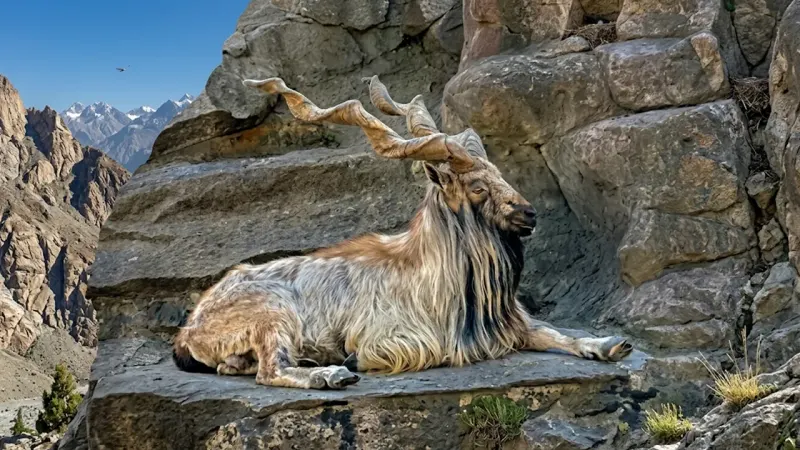 Environment
One License. Rs98.7 Million. Here's the Bizarre Economics Behind Pakistan's Most Expensive Hunting Permit
· 2 min read Environment