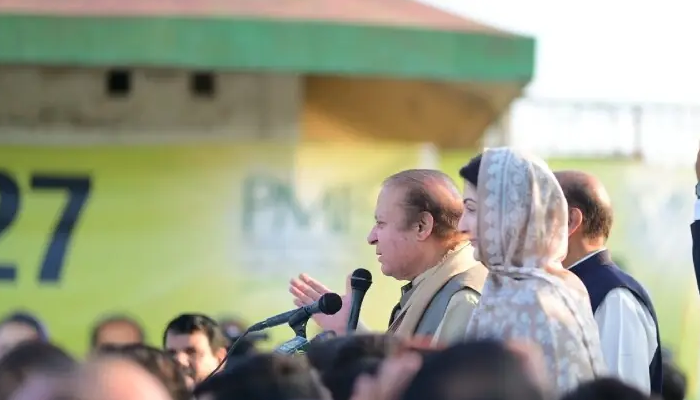
July 2026 — The Azad Jammu and Kashmir (AJK) Election Commission has reminded political parties, candidates, and campaign teams to strictly follow the election code of conduct as preparations for the upcoming elections continue. The advisory comes amid heightened political activity and public campaign events across the region.
Election officials emphasized that all contestants are expected to conduct their campaigns in accordance with established electoral rules, ensuring a fair, transparent, and level playing field for every candidate. The commission also reiterated that maintaining public confidence in the electoral process remains one of its highest priorities.
The reminder has generated discussion among political observers, who note that election commissions routinely issue such advisories during campaign periods to encourage compliance with electoral regulations.
Importance of the Election Code of Conduct
Election codes of conduct are designed to promote fairness and integrity throughout the electoral process. These guidelines outline the responsibilities of political parties, candidates, and campaign workers while helping ensure that elections are conducted in an orderly and transparent manner.
Such regulations typically address campaign practices, public meetings, advertising, use of government resources, and standards of political communication. Their primary purpose is to provide equal opportunities for all participants while protecting the credibility of the democratic process.
Election experts say consistent enforcement of these rules strengthens public trust and supports peaceful political competition.
Commission Calls for Equal Compliance
According to the Election Commission, every political party and independent candidate is expected to comply with the same electoral standards regardless of political affiliation.
Officials stated that the rules are intended to create equal conditions for all contestants and to encourage responsible campaigning throughout the election period.
The commission also encouraged candidates to remain informed about campaign regulations and cooperate fully with election authorities.
Observers note that clear communication between election officials and political stakeholders contributes to a smoother electoral process.
Role of Independent Election Institutions
Independent election commissions play a vital role in democratic systems around the world.
Their responsibilities generally include organizing elections, supervising campaign activities, registering candidates, training election staff, and ensuring that voting procedures follow applicable laws.
By monitoring compliance with election rules, these institutions help maintain transparency and confidence in the electoral system.
Their work also contributes to the peaceful conduct of elections and the acceptance of official results.
Growing Political Activity
As election day approaches, campaign activities naturally become more visible.
Political parties organize public meetings, interact with voters, present policy proposals, and communicate their priorities through various platforms.
Election analysts note that increased political engagement is a common feature of democratic societies, provided campaign activities remain within established legal and ethical guidelines.
Responsible campaigning encourages informed public discussion while supporting peaceful political participation.
Importance of Voter Confidence
Public confidence is one of the most important elements of any election.
When voters believe the electoral process is fair, transparent, and impartial, participation often increases and democratic institutions become stronger.
Election commissions therefore continue working to ensure that all procedures are implemented consistently and professionally.
Transparent administration also helps strengthen the credibility of election outcomes.
Peaceful Democratic Participation
Political competition is a normal part of democratic governance, but experts emphasize that campaigns should remain peaceful and respectful.
Constructive debate allows voters to compare different policy proposals while making informed decisions at the ballot box.
Election observers frequently encourage candidates to focus on public issues, community development, and practical solutions during campaign periods.
Respect for electoral rules also contributes to a stable political environment.
Looking Ahead
With campaigning expected to continue in the coming weeks, the Election Commission is likely to maintain close oversight of electoral activities.
Political parties, candidates, and supporters are expected to continue engaging with voters while observing applicable campaign regulations.
Analysts believe that cooperation between election authorities and political stakeholders will contribute to a transparent and well-organized electoral process.
Continued public awareness regarding election procedures is also expected to support higher voter confidence.
Conclusion
The AJK Election Commission’s latest reminder highlights the importance of complying with the election code of conduct throughout the campaign period. By encouraging equal treatment of all candidates and emphasizing transparency, the commission aims to support a fair and orderly electoral process.
As political activities continue ahead of the elections, adherence to established rules, peaceful campaigning, and responsible public engagement will remain essential for strengthening democratic institutions and maintaining public trust in the electoral system