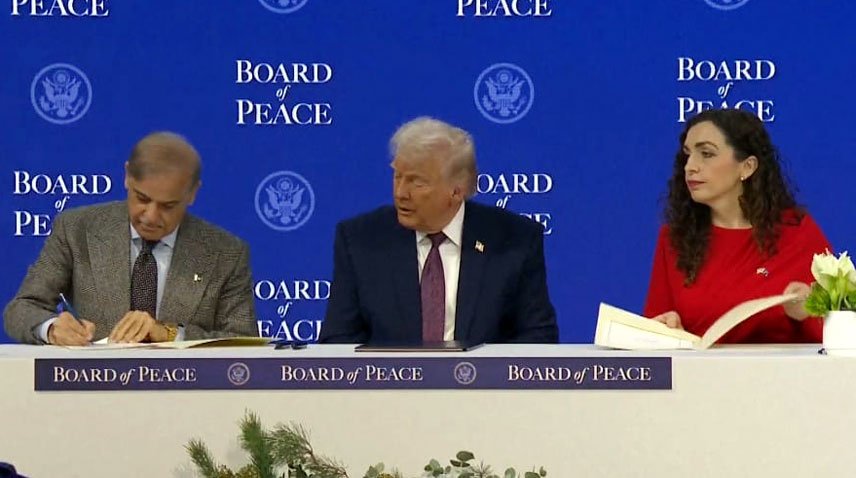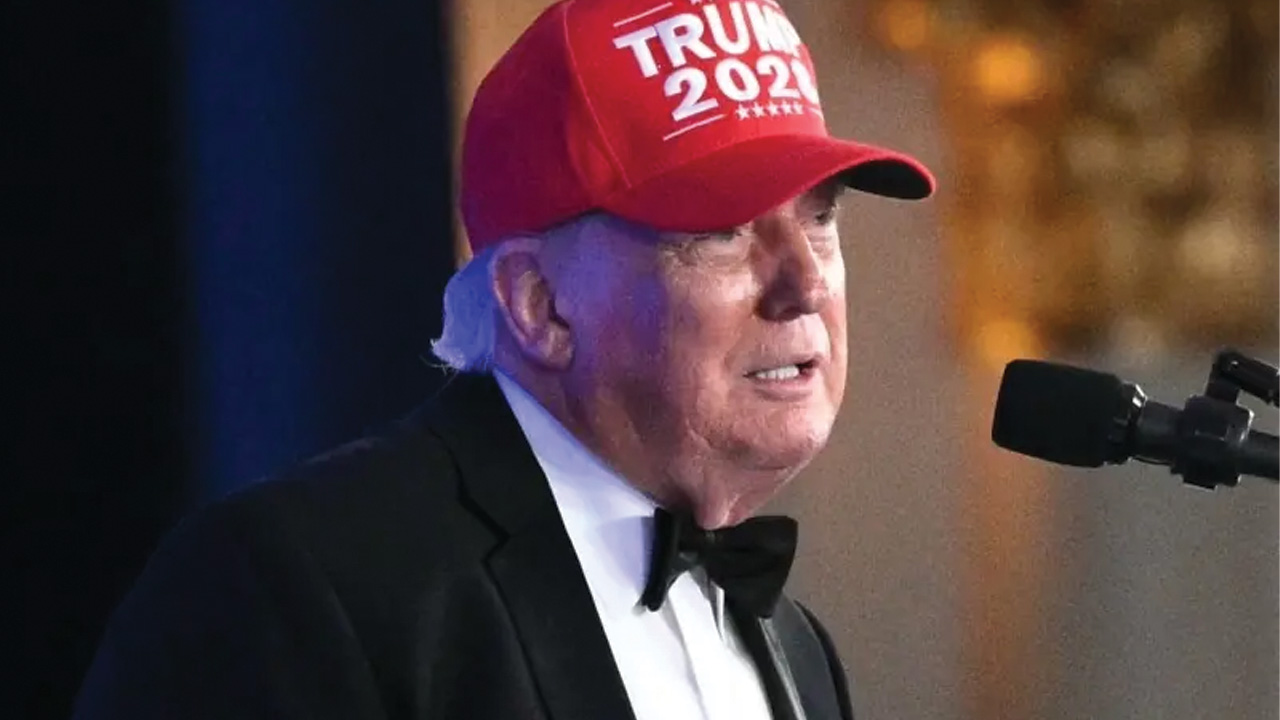
President Donald Trump has issued a sharp warning to the European Union, criticizing the bloc’s aggressive regulatory actions against major American technology corporations, including Google. Trump signaled that if re-elected, his administration would implement retaliatory measures, including tariffs, to counter European fines and digital services taxes levied against U.S. firms.
The Core Conflict
Over the past decade, the European Union has emerged as a global watchdog for big tech, aggressively enforcing antitrust laws, data privacy standards, and digital tax frameworks. Google, alongside companies like Apple, Meta, and Amazon, has faced billions of dollars in fines from the European Commission for alleged anticompetitive practices, particularly regarding its dominance in online advertising, the Android operating system, and search rankings.
European regulators argue that these actions are necessary to foster fair competition, protect local businesses, and safeguard consumer data. However, U.S. political leaders across party lines have occasionally voiced concern that European policies disproportionately target American companies.
Trump’s Stance and Proposed Countermeasures
Trump’s recent comments reflect a continuation of his “America First” economic platform, which views international fines on U.S. tech firms as a form of non-tariff trade barrier. Speaking on foreign trade policy, Trump criticized European leadership for using regulatory fines to extract revenue from American innovation while maintaining trade surpluses with the United States.
Key points from Trump’s position include:
Retaliatory Tariffs: Trump proposed using targeted tariffs against European imports to offset fines imposed on U.S. companies.
Trade Imbalance: He emphasized the ongoing U.S. trade deficit in goods with the EU, arguing that current trade terms are disadvantageous to American workers and businesses.
Protection of National Champions: He framed the EU’s antitrust actions as protectionist policies designed to shield European companies from superior American competitors.
“They penalize our companies billions of dollars, and it’s unfair,” Trump remarked, emphasizing that European regulatory enforcement would face economic consequences under a future administration.
EU Regulatory Framework
The European Union continues to strengthen its digital market oversight through major legislation, including:
Digital Markets Act (DMA): Designed to prevent large tech companies—designated as “gatekeepers”—from abusing market power and to ensure interoperability for smaller competitors.
Digital Services Act (DSA): Establishes rules regarding content moderation, advertising transparency, and consumer protection online.
General Data Protection Regulation (GDPR): Enforces strict rules regarding user data collection and consent across all member states.
Global Trade Implications
The potential for escalating tension over tech regulation underscores a broader shift in international trade relations. If retaliatory measures are implemented, it could lead to friction between Washington and Brussels, affecting cross-border data flows, international investment, and traditional goods trade.
Economists and trade analysts note that while U.S. technology leaders often lobby against European regulations, a protracted trade feud could complicate international business operations for multinational corporations on both sides of the Atlantic.