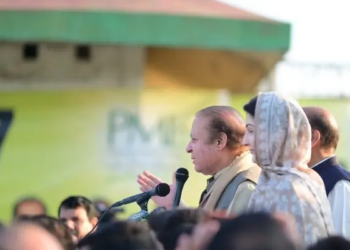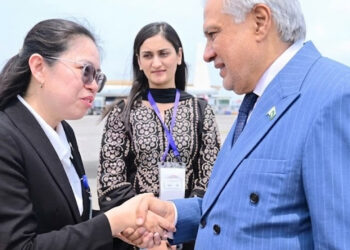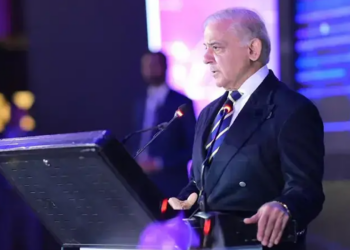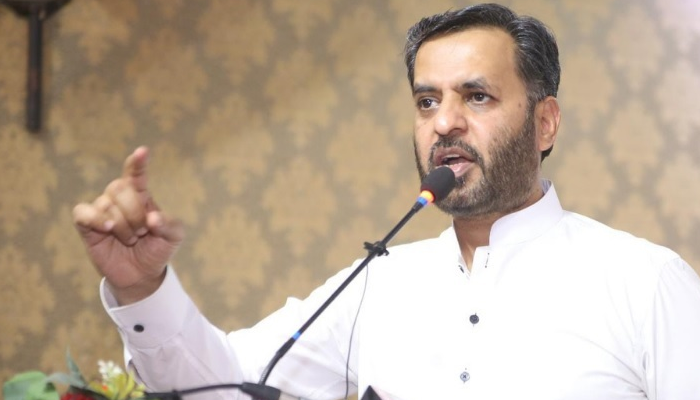
July 2026 — Muttahida Qaumi Movement-Pakistan (MQM-P) senior leader Dr. Khalid Maqbool Siddiqui and party leaders have announced plans to expand public engagement efforts in Karachi, saying the party intends to highlight civic and development-related concerns through peaceful public activities.
The announcement comes amid ongoing discussions about urban development, public infrastructure, municipal services, and resource allocation in Pakistan’s largest city. Party representatives stated that they will continue raising these issues through constitutional and democratic means while engaging with residents and stakeholders.
The development has attracted attention from political observers, who note that civic issues in Karachi frequently become a major focus of public debate due to the city’s economic importance and growing population.
Focus on Urban Development
Karachi is Pakistan’s largest metropolitan city and serves as the country’s commercial and financial hub. Millions of residents depend on efficient public services, including transportation, sanitation, water supply, healthcare, and education.
Urban planning experts have long emphasized the importance of continued investment in infrastructure to meet the needs of the city’s expanding population.
Political parties often place these issues at the center of their public campaigns, reflecting the importance of improving everyday services for residents.
Public Engagement Plans
According to party representatives, the upcoming campaign aims to increase interaction with citizens and gather feedback regarding local concerns.
Public meetings, community discussions, and outreach programs are expected to provide opportunities for residents to share their views on issues affecting their neighborhoods.
Political analysts say such engagement helps parties better understand public priorities while encouraging greater participation in democratic processes.
Community involvement also plays an important role in identifying practical solutions for urban challenges.
Importance of Karachi
Karachi contributes significantly to Pakistan’s economy through trade, manufacturing, financial services, logistics, and international commerce.
The city’s ports, industrial zones, and business districts support economic activity across the country, making efficient urban management particularly important.
Continued investment in roads, transport networks, digital infrastructure, and public utilities is widely viewed as essential for sustaining economic growth.
Improving city services can also enhance the quality of life for millions of residents.
Civic Priorities
Urban experts identify several areas that remain important for Karachi’s long-term development.
Transportation improvements, waste management, clean water availability, environmental sustainability, healthcare access, and educational facilities continue to rank among the city’s major priorities.
Many policymakers believe coordinated planning between different institutions can contribute to more effective service delivery.
Long-term infrastructure planning is also considered important for supporting future population growth.
Democratic Participation
Public engagement remains an important feature of democratic systems around the world.
Political parties frequently organize meetings, consultations, and awareness campaigns to communicate their policies while listening to public concerns.
These activities provide opportunities for constructive dialogue between elected representatives and citizens.
Analysts note that peaceful civic participation contributes to stronger democratic institutions and more informed public discussion.
Economic Impact of Better Infrastructure
Investment in urban infrastructure often benefits both businesses and local communities.
Reliable transport systems, improved utilities, and efficient public services can support economic activity by reducing operational costs and improving productivity.
Business organizations have consistently highlighted the importance of modern infrastructure for attracting investment and encouraging job creation.
A well-managed urban environment also strengthens the city’s competitiveness within regional and international markets.
Looking Ahead
Political observers expect discussions regarding Karachi’s development to continue in the coming months.
As different stakeholders present their proposals, public attention is likely to remain focused on practical solutions related to infrastructure, municipal services, and economic growth.
Continued dialogue between policymakers, community representatives, and residents may help identify priorities for future development initiatives.
Constructive engagement remains an important element of effective urban governance.
Conclusion
The latest announcement by MQM-P reflects renewed attention on Karachi’s development and public service challenges. By emphasizing community engagement and civic participation, the party aims to encourage discussion around issues affecting one of Pakistan’s most important cities.
As public debate continues, experts believe long-term planning, investment in infrastructure, and cooperation among stakeholders will remain essential for supporting Karachi’s continued growth and improving the daily lives of its residents.