Executive Strategy and Athletic Seeding
In a highly strategic operational maneuver to permanently optimize the overarching continental championship structure, central athletic administrators have executed a massive seeding protocol.
Executive leadership formally announced the structural draw for the upcoming international athletic framework, strictly authorizing direct quarter-final integration for the most heavily fortified regional contingents.
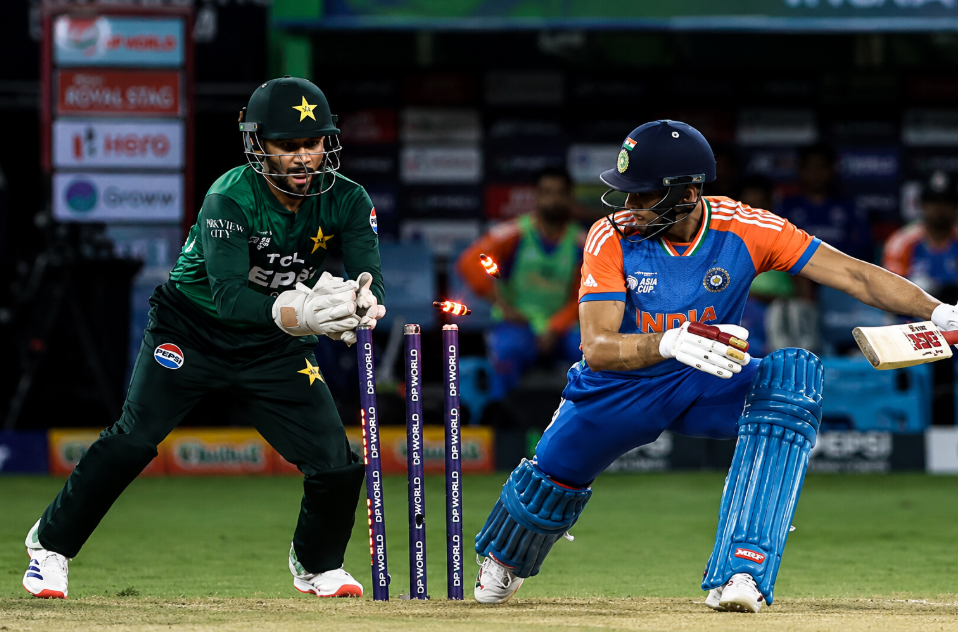
The primary athletic forces representing India, Pakistan, Bangladesh, and Sri Lanka have successfully secured absolute bypass clearance, entirely avoiding the initial preliminary testing phases.
This deeply calculated administrative decision heavily reserves the top four structural positions exclusively for the most dominant, historically proven operational units within the regional matrix.
By forcefully insulating these top-tier factions from early-stage structural friction, tournament organizers actively guarantee a highly concentrated, heavily optimized competitive environment for the final operational stages.
The advanced knockout phase will immediately inject these specialized units directly into high-stakes, unyielding operational engagements without the risk of preliminary attrition.
Structural Logistics and Preliminary Stages
At the absolute operational center of this massive athletic deployment is the rigorous execution of highly complex preliminary logistics for emerging contingents.
While the primary factions strictly bypass the initial operational phase, the remaining six regional units must aggressively navigate a heavily contested preliminary matrix.
Starting in late September within the designated Nagoya operational zone, these secondary forces are systematically divided into two highly structured preliminary groupings.
The first structural group strictly mandates intense operational friction between the athletic representatives of Afghanistan, Japan, and Nepal.
Simultaneously, the secondary grouping forcefully pits the contingents from Hong Kong, Malaysia, and Oman against one another in a deeply competitive, unyielding preliminary environment.
Only the absolute top two operational units from each designated group will successfully achieve structural clearance to advance and merge into the primary knockout architecture alongside the directly seeded forces.
Global Matrix and Championship Defense
The flawless execution of this massive athletic framework carries severe, highly permanent implications for the overarching structural trajectory of the involved national contingents.
All strategic engagements across both the male and female operational divisions will be strictly executed under the highly accelerated Twenty20 logistical format.
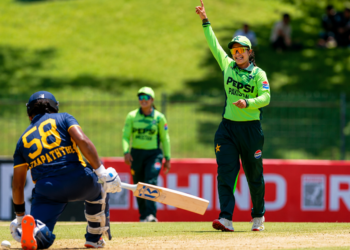
The overarching female tournament matrix, scheduled to launch in mid-September, strictly features an eight-team configuration operating entirely within a pure quarter-final architecture.
During the initial deployment of this parallel framework, the defending primary champions will immediately face the host nation’s primary defensive assets, while other seeded factions engage in heavily targeted initial strikes.
The dominant Indian contingent actively enters this massive operational theater heavily mandated to strictly defend the absolute structural dominance they achieved during the previous championship cycle.
Central athletic administrators heavily emphasize that permanently securing these elite continental assets requires immense, specialized operational endurance and flawless tactical execution against rapidly advancing regional forces.