Bilateral Trade Integration and Structural Framework
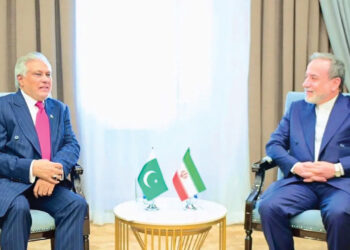
In a massive push to fundamentally upgrade cross-border commercial logistics, top-tier administrative executives have executed deeply strategic bilateral negotiations.
Central commerce representatives actively examined highly calculated proposals to permanently transform existing trade dialogue into a deeply integrated, highly institutionalized mechanism.
The overarching strategy demands the rapid deployment of heavily specialized operational working groups and highly accelerated implementation timelines to successfully execute the newly formulated economic framework.
By aggressively targeting improved structural cooperation across key industrial sectors, the high-level coordination strictly aims to systematically identify and finance highly viable, cross-border commercial projects.
Top-tier diplomats explicitly validated recent structural economic reforms, signaling a strong willingness to completely upgrade the overarching trade architecture.
Two critical operational working groups have already been successfully activated, with central planners formally proposing massive expansions to completely broaden the scope of mutual economic engagement.
Regulatory Reform and Intellectual Property Enforcement
Beyond primary commercial expansion, the high-stakes strategic dialogue heavily prioritized strict administrative and regulatory overhauls.
Central administrators formally outlined aggressive structural interventions specifically designed to heavily fortify localized intellectual property enforcement.
This deeply calculated regulatory pivot is explicitly engineered to aggressively attract high-yield international investment by ensuring total, uncompromising legal protection for foreign operational assets.
Executive leadership strictly confirmed that a top-tier administrative transition is currently underway to permanently streamline the overarching intellectual property organization.
Furthermore, central authorities are actively accelerating massive tariff rationalization and comprehensive regulatory digitalization protocols to relentlessly improve overall sector competitiveness.
These unyielding bureaucratic adjustments actively eliminate entrenched operational friction, structurally guaranteeing a highly accessible environment for aggressive corporate expansion.
Commercial Upskilling and Economic Strategy
The broader macroeconomic strategy strictly depends on securing highly affordable industrial inputs and establishing deeply predictable operational tariffs.
Central planners consistently emphasize that these critical structural upgrades are absolutely fundamental to successfully enabling small and medium enterprises to aggressively penetrate previously inaccessible international markets.
Concurrently, the administration formally integrated advanced private-sector initiatives aimed at massively upskilling the localized commercial workforce in top-tier digital architecture and artificial intelligence integration.
This explicit focus on heavy technological upskilling ensures that the primary industrial base permanently transitions toward a highly competitive, data-driven operational baseline.
Both international entities have strictly mandated continuous, high-level operational synchronization to relentlessly monitor the execution of these major economic targets.
Executive leadership successfully scheduled the next massive bilateral trade summit for the incoming operational cycle to permanently lock in these aggressive structural mandates.