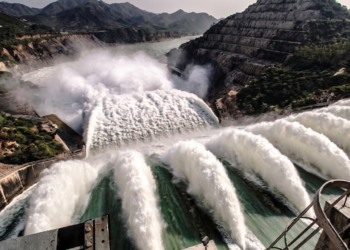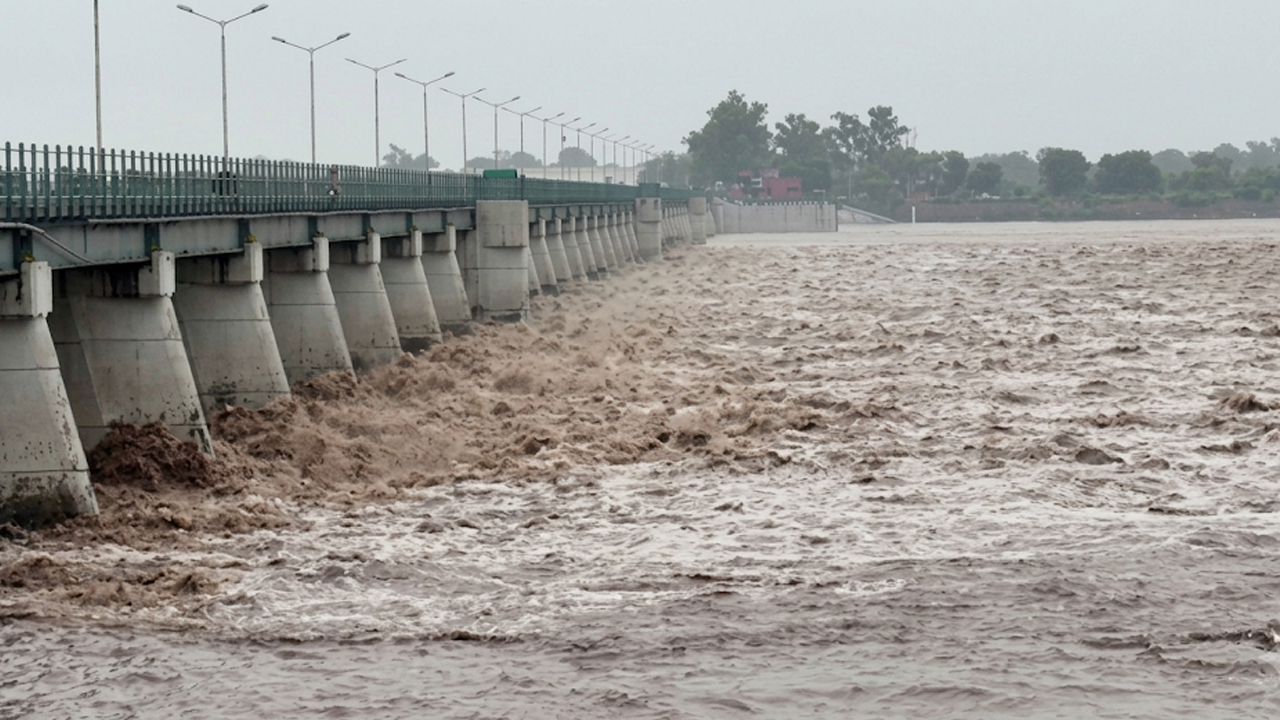
Lahore, July 23, 2026 — River levels across Punjab have risen following widespread monsoon rains, with water flows increasing in several major rivers and tributaries. Authorities are closely monitoring the situation while emphasizing that the rise in water levels is a normal seasonal response to heavy rainfall in upper catchment areas.
The recent spell of monsoon showers has brought much-needed moisture to agricultural regions, improved water availability for irrigation, and increased inflows into rivers across the province. Officials from the irrigation and disaster management departments said monitoring teams remain active to track river conditions and provide timely updates to local administrations.
Increased Water Flows Across the Province
According to officials, water flows have increased in multiple river systems after continuous rainfall in northern and central parts of the country. The rise has been observed at several monitoring points, particularly in rivers that receive runoff from upstream catchment areas.
Engineers and field staff are conducting regular inspections of barrages, canals, embankments, and flood protection structures to ensure that the water management system continues to operate smoothly. Authorities have stated that preventive measures are being taken to minimize any disruption to nearby communities.
Relief for the Agricultural Sector
For many farmers, the monsoon rains have brought welcome relief after periods of high temperatures and increased irrigation demand. Punjab, often referred to as the agricultural heartland of Pakistan, depends heavily on river water and canal networks for crop cultivation.
Agricultural experts say the additional water availability could benefit standing crops, improve soil moisture levels, and reduce pressure on groundwater resources. Crops such as rice, sugarcane, maize, and vegetables are expected to particularly benefit from improved water conditions during the monsoon season.
Farmers in several districts have expressed optimism that the rainfall will support better crop growth and potentially improve yields if weather conditions remain favorable.
Authorities Continue Monitoring
Officials emphasized that continuous monitoring is essential during the monsoon season because weather patterns can change rapidly. Water levels are being tracked through a network of hydrological stations that provide real-time information on river flows, rainfall intensity, and upstream conditions.
The Provincial Disaster Management Authority (PDMA) and the Irrigation Department are coordinating with district administrations to ensure preparedness and timely communication with the public. Local authorities have also been advised to remain vigilant in low-lying areas and along riverbanks.
Importance of Early Preparedness
Experts note that early preparedness is one of the most effective ways to manage seasonal increases in river flows. Regular inspections of embankments, drainage channels, and protective infrastructure help reduce the risk of water-related disruptions.
Public awareness campaigns also play an important role. Authorities encourage residents living near rivers, canals, and low-lying areas to stay informed through official weather and water updates during periods of heavy rainfall.
Monsoon’s Economic Impact
Beyond agriculture, the monsoon season has a significant impact on Punjab’s economy. Adequate rainfall supports crop production, replenishes reservoirs, improves water storage, and contributes to long-term water security.
Economists say a healthy monsoon season can have positive effects on agricultural output, rural incomes, food supply, and related industries such as transportation, processing, and retail. Improved water availability can also reduce pressure on groundwater extraction, which has become an important issue in many farming regions.
Better Conditions for Water Storage
Increased river inflows can improve the availability of water for reservoirs and irrigation systems. Water management experts say efficient storage and distribution of monsoon water is essential for meeting agricultural and domestic needs during drier months.
Modern water management practices, including improved canal maintenance, better distribution systems, and real-time monitoring, can help maximize the benefits of seasonal rainfall. Officials say efforts are continuing to strengthen water infrastructure and improve operational efficiency across the province.
Weather Forecast and Future Outlook
Meteorological forecasts indicate that additional monsoon activity may continue over parts of Punjab during the coming days. Weather experts say intermittent rain spells are possible in northern, central, and eastern districts, which could lead to further increases in river and canal flows.
Authorities have advised district administrations to remain prepared for changing weather conditions while continuing routine monitoring of water levels. They have also encouraged citizens to follow official weather advisories and avoid unnecessary travel through waterlogged areas during heavy rainfall.
Environmental Benefits of Monsoon Rains
Monsoon rainfall also provides important environmental benefits. Increased river flows help replenish wetlands, support aquatic ecosystems, improve groundwater recharge, and maintain ecological balance in riverine areas. Environmental experts say healthy river systems are essential for biodiversity, agriculture, and long-term water sustainability.
The rains have also contributed to a noticeable drop in temperatures in many districts, providing relief from the intense summer heat experienced earlier in the season. Cooler weather conditions are expected to continue in areas receiving regular rainfall.
Public Safety Measures
Authorities have issued general safety advisories for residents living near rivers, canals, and drainage channels. Citizens are encouraged to avoid entering fast-moving water, keep children away from flooded areas, and report any unusual erosion or damage to local officials.
Emergency response teams remain on standby to assist communities if required, although officials have emphasized that current efforts are focused primarily on monitoring, preparedness, and preventive management.
Looking Ahead
Water management specialists say the coming weeks will be important for assessing the overall impact of the monsoon season on river flows, reservoir levels, agricultural conditions, and groundwater recharge. Continued coordination between meteorological, irrigation, and local administration departments will be essential for effective water management throughout the season.
If rainfall remains within expected seasonal ranges, experts believe Punjab could benefit from improved water availability for agriculture and other sectors during the remainder of the year.
Conclusion
The recent rise in river levels across Punjab reflects the impact of increased monsoon rainfall and higher upstream water inflows. While authorities continue close monitoring of river conditions, the additional water availability is expected to bring significant benefits for agriculture, irrigation, groundwater recharge, and overall water management. With continued preparedness, efficient monitoring, and public awareness, Punjab aims to make the most of the monsoon season while ensuring the safety of communities living near rivers and low-lying areas.