Pakistan Arms Hangor-Class Submarines with China’s YJ-17 Hypersonic Missiles, Redrawing Indian Ocean Power Balance
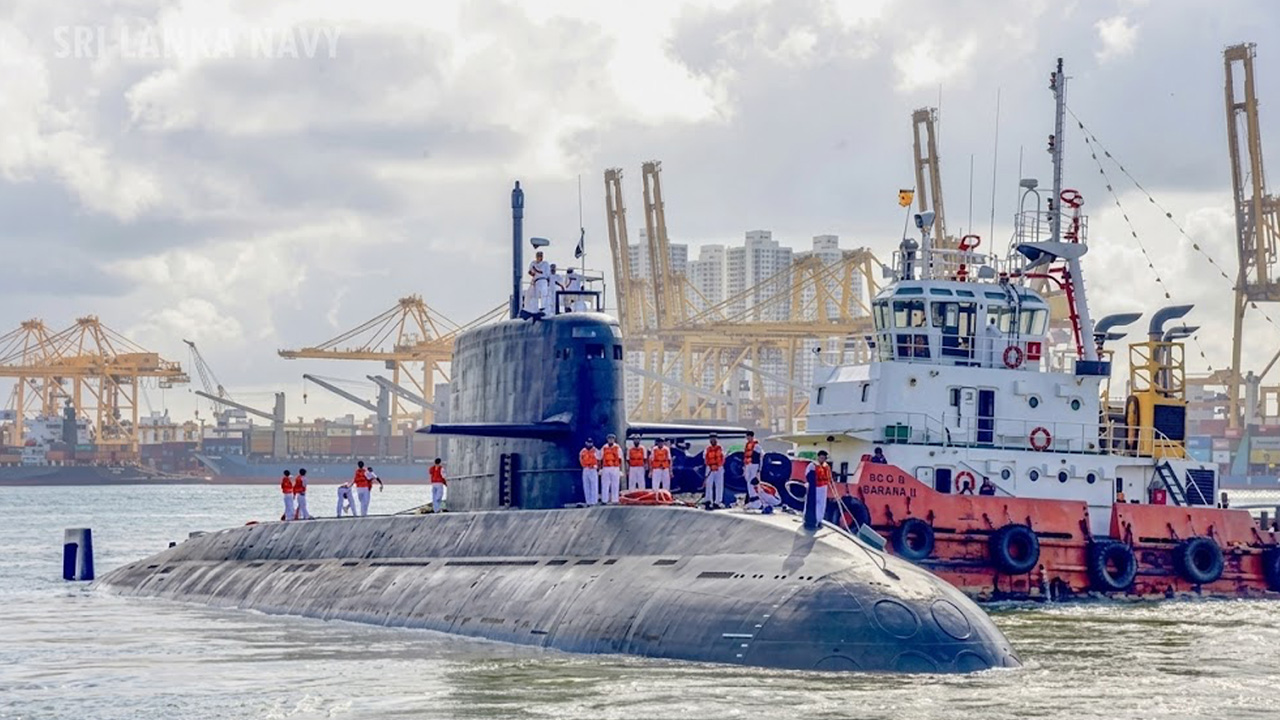
Pakistan’s naval modernization has taken a major strategic leap forward. Reports indicate that the Pakistan Navy is preparing to integrate China’s next-generation YJ-17 hypersonic missiles onto its newly acquired Hangor-class submarines, a move expected to significantly alter the maritime power dynamics in the Indian Ocean Region (IOR).
1. Deepening Strategic Ties & The Hangor-Class Program
The acquisition originates from a multi-billion-dollar defense contract between Pakistan and China signed in 2015 for eight diesel-electric attack submarines (an export variant based on China’s Type 039B Yuan class).
Dual-Site Construction: Four vessels are being built at Wuchang Shipbuilding in China, while the remaining four are under construction at Karachi Shipyard & Engineering Works (KS&EW) in Pakistan under a Transfer of Technology (ToT) agreement.
Advanced Air-Independent Propulsion (AIP): Equipped with Stirling-powered AIP systems, the 2,800-ton submarines can remain submerged for up to 20 days without surfacing, minimizing acoustic and radar signatures against anti-submarine warfare (ASW) assets.
2. Strategic Implications for the Indian Ocean Region
The pairing of stealthy AIP-based submersibles with near-unstoppable hypersonic strike weapons represents a significant evolution in regional deterrence:
Anti-Access/Area Denial (A2/AD): Enhances Pakistan’s capacity to challenge enemy carrier strike groups, high-value surface vessels, and critical coastal infrastructure.
Shifting Maritime Balance: Provides a counter-weight to expanding naval capabilities in the Indian Ocean, complicating tactical planning for rival navies operating in contested waters.
Second-Strike Credibility: Complements existing submarine-launched systems (such as the Babur-3 cruise missile), boosting survivability and strategic deterrence along Pakistan’s maritime frontier.


Rawal Lake Park Lost 50% Of Its Trees In The Last 20 Years
Ecological Alarm: Rawal Lake Park Loses 50% of Its Trees Over the Last Two Decades In a deeply concerning development...