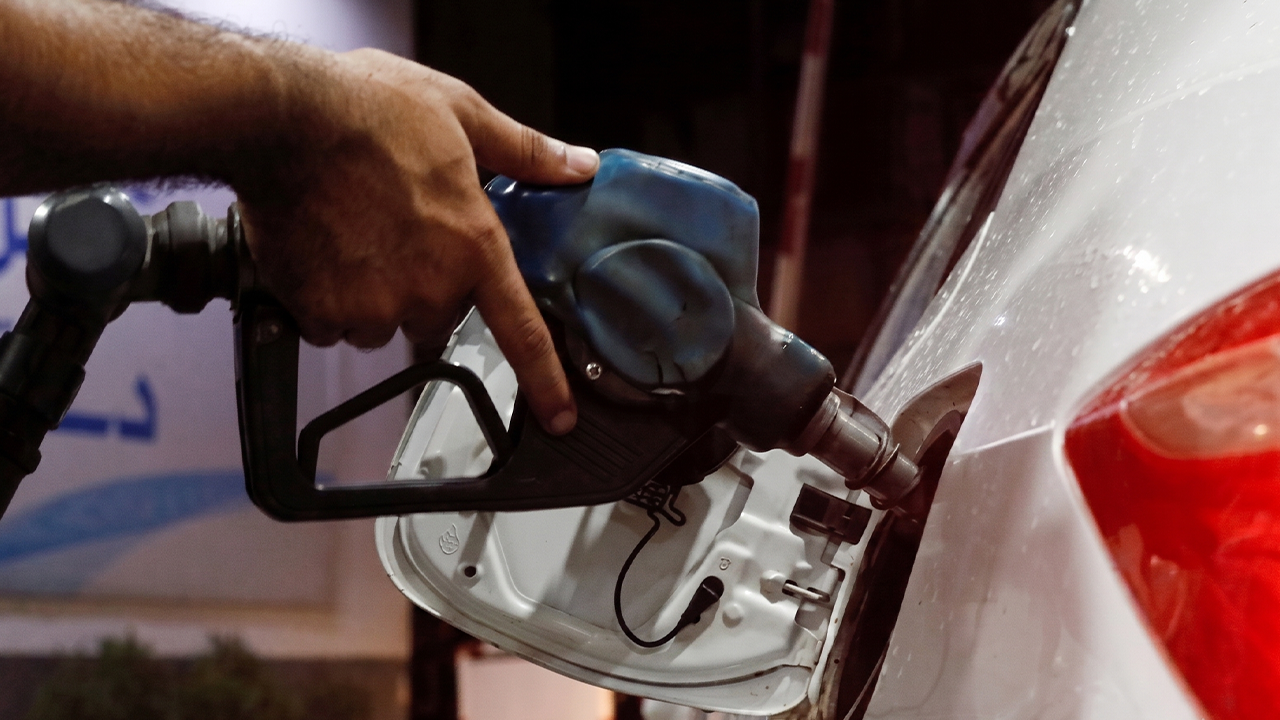
The federal government has announced a fresh revision in petroleum prices, increasing the cost of both high-speed diesel (HSD) and petrol. Under the latest notification, the price of high-speed diesel has increased by Rs5.71 per litre, while petrol has also recorded a modest increase, adding further pressure on consumers already grappling with inflation and rising living costs.
The new prices have taken effect immediately and will remain in force until the next fortnightly review, unless revised earlier. Fuel price adjustments are made periodically based on fluctuations in international crude oil prices, exchange rate movements, and applicable taxes and levies.
New Fuel Prices Announced
According to the latest notification, high-speed diesel (HSD) has witnessed a significant increase of Rs5.71 per litre, while petrol has also been raised by a smaller margin.
Diesel is widely used in Pakistan’s transportation, agriculture, and industrial sectors. As a result, even a modest increase in diesel prices often has a broader economic impact than changes in petrol prices.
Petrol, meanwhile, is the primary fuel used by motorcycles, cars, and other private vehicles, making its price particularly important for millions of daily commuters.
Why Have Fuel Prices Increased?
Fuel prices in Pakistan are primarily influenced by several key factors:
International crude oil prices.
Exchange rate fluctuations between the Pakistani Rupee and the US Dollar.
Freight and import costs.
Petroleum Development Levy (PDL).
General Sales Tax (GST), where applicable.
Oil Marketing Companies’ margins.
Inland freight equalization and distribution costs.
When global oil prices rise or the Pakistani rupee weakens against the US dollar, imported petroleum products become more expensive, often leading to higher domestic fuel prices.
Diesel Price Increase Carries Wider Economic Impact
While petrol receives significant public attention, diesel plays an even more critical role in Pakistan’s economy.
High-speed diesel powers:
Trucks transporting goods across the country.
Public transport vehicles.
Agricultural machinery including tractors and harvesters.
Construction equipment.
Many industrial operations.
Higher diesel prices can increase transportation and logistics costs, which may eventually be reflected in the prices of food, construction materials, and other everyday goods.
Impact on Daily Commuters
The increase in petrol prices is expected to affect millions of motorists who rely on private vehicles and motorcycles for daily travel.
For households already managing tight budgets, even small increases in fuel prices can result in higher monthly transportation expenses.
Ride-hailing services, taxi operators, and delivery businesses may also face increased operating costs, which could eventually be passed on to customers.
Agriculture Sector Could Feel the Pressure
Pakistan’s agriculture sector depends heavily on diesel-powered machinery for land preparation, irrigation, harvesting, and transportation of crops.
Higher diesel prices may increase production costs for farmers, particularly during peak agricultural seasons. If input costs continue to rise, the prices of agricultural products could also come under pressure.
Experts note that rising fuel costs often have a ripple effect throughout the food supply chain.
Transportation and Logistics
The logistics sector is among the largest consumers of diesel fuel.
Freight companies transporting goods between cities may experience higher operating expenses due to increased fuel costs. Businesses involved in manufacturing, wholesale distribution, and retail supply chains could also face additional financial pressure.
If transportation costs remain elevated over an extended period, businesses may adjust product prices to offset higher expenses.
Inflation Concerns
Pakistan has experienced significant inflation over recent years, with energy prices remaining one of the key drivers of rising living costs.
Fuel prices influence the cost of transporting goods and providing services across multiple sectors. Consequently, increases in petrol and diesel prices can contribute to broader inflationary pressures.
Economists often monitor petroleum price adjustments closely because they can affect inflation expectations and consumer spending.
Businesses May Review Operating Costs
Businesses that depend heavily on transportation, delivery fleets, or diesel-powered equipment may reassess their operating budgets following the latest fuel price adjustment.
Some companies may seek greater fuel efficiency, optimize delivery routes, or introduce cost-saving measures to manage higher expenses.
However, small businesses with limited financial flexibility could face greater challenges in absorbing rising fuel costs.
What Consumers Can Do
Although consumers cannot control fuel prices, experts recommend several practical steps to reduce fuel consumption:
Plan trips efficiently.
Maintain proper tyre pressure.
Service vehicles regularly.
Avoid unnecessary idling.
Consider carpooling where practical.
Use public transportation when possible.
Drive at consistent speeds to improve fuel efficiency.
These measures can help reduce overall fuel consumption and lower transportation expenses over time.
Global Oil Market Remains a Key Factor
Pakistan imports a significant portion of its petroleum requirements, making domestic fuel prices highly sensitive to international energy markets.
Global crude oil prices continue to fluctuate due to factors such as geopolitical developments, production decisions by major oil-producing countries, supply chain conditions, and changes in global demand.
Future petroleum price revisions will likely depend on these international market trends, along with domestic economic conditions and exchange rate movements.
Looking Ahead
The government reviews petroleum prices every two weeks, meaning further adjustments may occur depending on developments in global oil markets and local economic indicators.
Consumers, businesses, transport operators, and farmers will continue to monitor future announcements closely, as fuel prices have a direct impact on household budgets and business operations across Pakistan.
Conclusion
The latest increase in fuel prices, including a Rs5.71 per litre rise in high-speed diesel and a smaller increase in petrol, adds another challenge for consumers and businesses navigating an already difficult economic environment. While the adjustments reflect changes in international oil prices and other economic factors, they are likely to increase transportation, logistics, and production costs in the coming weeks.
As Pakistan continues to balance energy needs with economic stability, fuel price movements will remain one of the most closely watched indicators affecting inflation, business activity, and the cost of living nationwide.