Pakistan’s Auto Market Becomes a Battleground as Chinese EVs Challenge Decades of Japanese Dominance
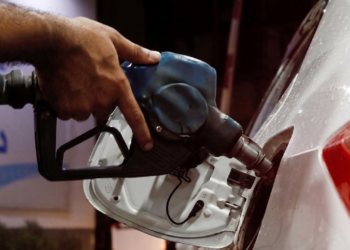
Pakistan’s automobile industry is undergoing what might be its most significant shake-up in decades, and the trigger isn’t just shifting consumer tastes or new competitors entering the market. It’s a full-blown energy crisis. Recent tensions and disruptions in the Strait of Hormuz have turned what was once a gradual, climate-driven shift toward electric vehicles into something far more urgent: an economic necessity for countries like Pakistan that depend heavily on imported fuel.
For an energy import-dependent economy already grappling with the fallout of years of fuel dependency, the stakes couldn’t be higher. Pakistan’s auto sector has long been dominated by Japanese manufacturers, whose vehicles, while reliable, have offered limited technological innovation and remained priced out of reach for large segments of the population due to a lack of real competition. That dynamic now appears to be shifting rapidly.
Chinese Manufacturers Make Their Move
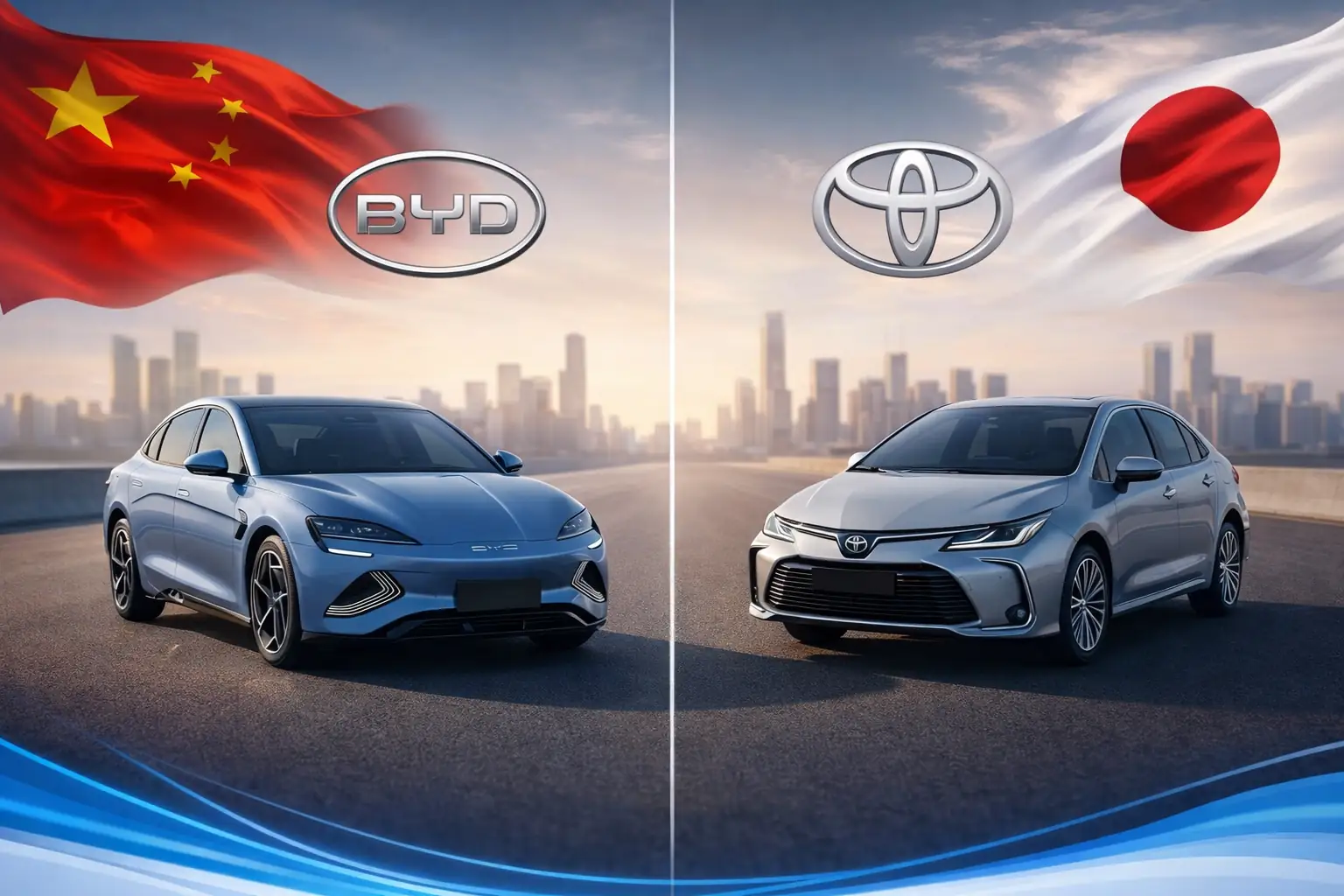
Japanese automakers, who spent roughly three and a half decades building a dominant position in Pakistan’s market, are now facing genuine pressure from Chinese manufacturers rolling out New Energy Vehicles, or NEVs. That momentum isn’t abstract; BYD recently unloaded 2,000 NEVs directly into the Pakistani market, a tangible signal of just how seriously Chinese automakers are targeting this space.
This shift mirrors a broader global transition already underway, as climate pressures push economies worldwide to adapt their auto industries. China has evolved from being a relatively minor trade partner to becoming a global leader in the EV space, while traditional automotive powerhouses like Germany and Japan continue grappling with the transition, with Japan in particular showing some reluctance to move away from the proven combustion-engine and hybrid engineering strengths it has built its reputation on.
The Affordability Gap That’s Long Existed
Part of what’s fueling this shift in Pakistan is a longstanding affordability problem that’s kept the country’s auto market smaller than it was even back in 2007-08, a stagnation tied closely to sluggish GDP per capita growth. The pricing gap becomes clear when you compare regional markets: in India, the Maruti Suzuki S-Presso Std costs around Rs1.15 million when converted, while in Pakistan, the comparable Suzuki Alto VXR carries a price tag of almost Rs3 million. That kind of disparity has left a large segment of Pakistani consumers priced out of car ownership entirely, creating fertile ground for new entrants offering more competitive pricing.
Industry Voices Offer Contrasting Views
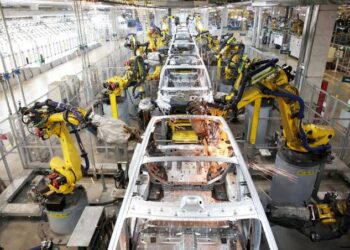
Not everyone agrees on exactly what’s driving the shift, or how serious the challenge to Japanese dominance really is. Abdul Rehman Aizaz, former chairman of the Pakistan Association of Automotive Parts & Accessories Manufacturers, pointed to broader economic and policy failures rather than Japanese companies losing ground on their own. He argued that Japan’s lag in EV transformation is opening the door for numerous smaller manufacturers, while noting that government tax relief aimed at attracting new automakers has resulted in underutilised production capacity given the market’s limited size.
Auto sector consultant Shafiq Ahmed Shaikh pointed to longer-running structural issues, including past monopoly-like market conditions and incomplete localisation efforts even decades into the industry’s development, both of which have contributed to foreign exchange outflows that left the sector vulnerable during balance-of-payments crises.
Auto trader Sabir Shaikh offered a more consumer-focused read on the shift, observing that established Japanese brands have grown complacent despite decades of strong profits, while Chinese automakers are flooding the market with new models, features, and options, including EVs and hybrids, leaving Pakistani consumers increasingly drawn toward Chinese alternatives.
Not Everyone Agrees Japanese Brands Are in Decline
Aamir Allawala, a former president of Paapam, pushed back against the narrative of terminal decline for Japanese automakers. He argued the market as a whole has stagnated due to broader economic conditions, rather than Japanese brands specifically losing ground. According to Allawala, strong sales continue in the small and mid-range segment, with models like the Suzuki Alto, Cultus, and Swift, along with the Toyota Yaris, seeing production volumes higher than the previous year. The Corolla, Fortuner, and Honda City also remain relatively stable, even as models like the Hilux and Civic face more competitive pressure.
Allawala describes the market as effectively bifurcated: Japanese brands continuing to dominate the affordable gasoline and traditional hybrid segment, while Chinese manufacturers lead in the premium NEV space, particularly SUVs and crossovers priced between Rs7-10 million and above, think Haval, Jaecoo, and Deepal. Government incentives, including a 1 percent sales tax on select models, have helped Chinese players expand their footprint in this segment.
Localisation and Long-Term Cost Concerns
Allawala also disputed claims that Japanese manufacturers have suppressed local industry development, pointing out that Japanese brands actually maintain the highest localisation levels in the market, with the Toyota Corolla at 65 percent, the Suzuki Alto above 50 percent, and the Swift above 40 percent, compared to significantly lower initial rates among newer entrants. He added that Japanese vehicles also carry a lower foreign exchange burden per unit, with the industry’s entire CKD import bill amounting to less than 2.5 percent of total imports.
On the EV question specifically, Allawala raised concerns about long-term ownership costs, noting that battery replacement expenses can reach as much as 50 percent of a vehicle’s value, with resale values often lagging well behind comparable Japanese models.
A Sector at a Turning Point
According to the Paapam Secretariat, Pakistan’s auto parts sector remains a significant national asset, delivering localisation rates of 50-65 percent and sustaining hundreds of thousands of jobs, even as challenges like security concerns, the absence of favourable trade agreements, and elevated domestic costs continue to hold back export growth.
Ultimately, the sector appears to be standing at a genuinely pivotal moment. The energy insecurity triggered by the Hormuz crisis, combined with a wave of Chinese technological investment, presents Pakistan with a real opportunity to reduce its costly dependence on imported fuel, modernise its transportation sector, and build longer-term economic resilience, provided the country can address the deeper structural issues, from GDP growth to charging infrastructure, that will determine whether this transition actually delivers lasting benefits.