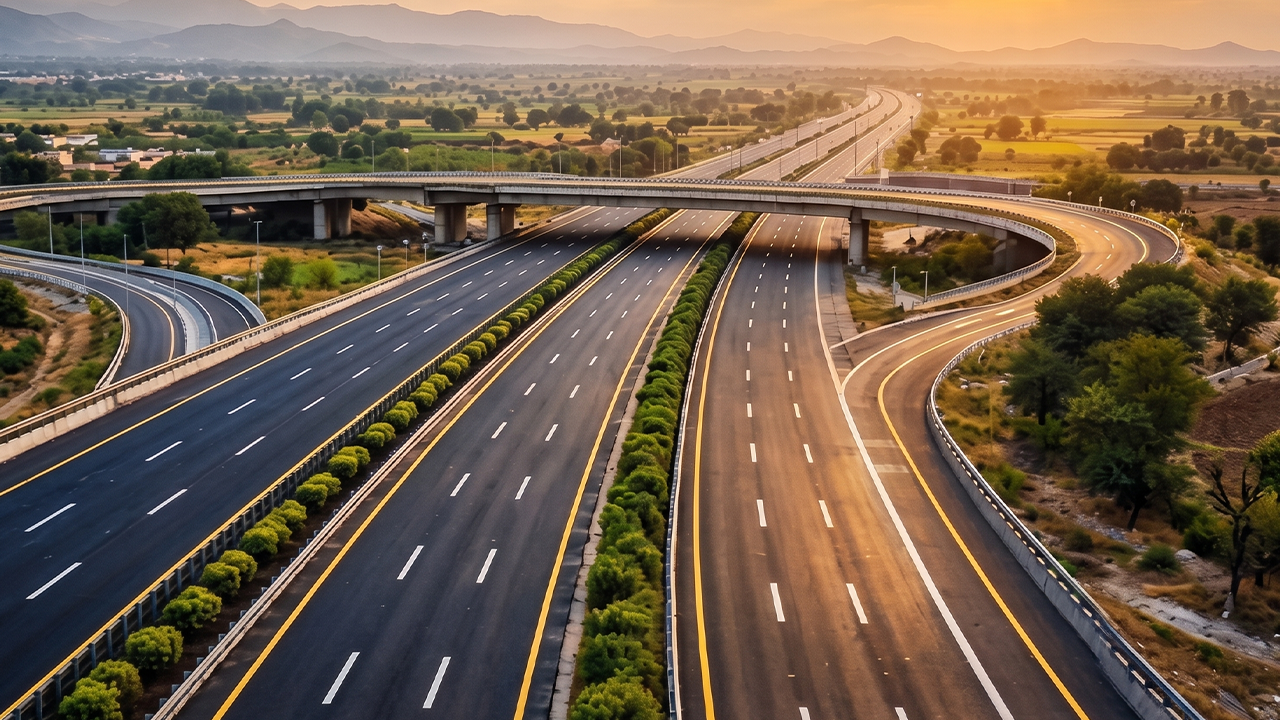
Pakistan is steadily moving forward with its ambitious plan to expand its motorway network, a development that is expected to transform transportation, strengthen the economy, and improve connectivity across the country. Over the past two decades, motorways have become one of Pakistan’s most important infrastructure achievements, offering faster, safer, and more reliable travel for millions of people.
As the government continues investing in new motorway projects and upgrading existing routes, the country’s transportation system is entering a new phase of modernization. These projects are not only reducing travel time between major cities but are also opening new opportunities for businesses, tourism, agriculture, and regional trade.
For a country where road transport carries the majority of passengers and freight, an expanding motorway network is more than just better roads—it is a foundation for long-term economic development.
A New Era of Modern Infrastructure
Infrastructure has always played a critical role in national development. Roads connect people with opportunities, industries with markets, and farmers with consumers. Recognizing this importance, Pakistan has continued investing in high-quality motorway infrastructure designed to meet modern transportation standards.
Unlike traditional highways, motorways are built with controlled access, multiple lanes, modern safety systems, emergency services, and advanced traffic management. These features allow vehicles to travel efficiently while significantly reducing congestion and accident risks.
The continued expansion of Pakistan’s motorway system reflects the country’s long-term vision of building a transportation network capable of supporting future economic growth.
Reducing Travel Time Across the Country
One of the most noticeable benefits of motorways is the significant reduction in travel time.
Journeys that previously required several extra hours can now be completed much faster due to smoother traffic flow, better road conditions, and higher permitted speeds under regulated safety standards.
For business travelers, transport companies, and families, shorter travel times translate into increased convenience and improved productivity.
Reduced travel time also allows commercial vehicles to complete more deliveries within shorter periods, helping businesses lower transportation costs and improve supply chain efficiency.
Boosting Pakistan’s Economy
The motorway network is expected to become one of the strongest contributors to Pakistan’s economic development.
Improved transportation infrastructure encourages domestic and foreign investment by making industrial zones more accessible. Companies often prefer investing in areas with efficient transport links because they reduce operating costs and improve logistics.
Industrial production also benefits from reliable road connectivity. Manufacturers can transport raw materials to factories more efficiently while distributing finished products to markets without unnecessary delays.
Economic experts believe that modern transportation infrastructure remains one of the key drivers of sustainable economic growth.
Creating Employment Opportunities
Large infrastructure projects generate employment both during construction and after completion.
Thousands of engineers, architects, surveyors, machine operators, construction workers, electricians, and technical professionals contribute to motorway development projects.
After construction, additional employment is created through motorway maintenance, toll operations, emergency services, fuel stations, restaurants, hotels, logistics companies, and roadside businesses.
The multiplier effect extends even further, benefiting suppliers of construction materials, transportation equipment, heavy machinery, and engineering services.
Supporting Agriculture
Agriculture remains one of Pakistan’s largest economic sectors, and efficient transportation is essential for farmers.
Fresh fruits, vegetables, dairy products, and other agricultural goods often require rapid transportation to markets before quality declines.
An expanded motorway network enables farmers to transport produce more quickly and efficiently, reducing spoilage while improving access to larger markets.
Lower transportation costs may also improve profitability for farmers while helping consumers receive fresher products at competitive prices.
Strengthening Trade and Logistics
Road transport forms the backbone of Pakistan’s domestic trade.
Every day, thousands of trucks move goods between factories, warehouses, ports, wholesale markets, and retail businesses. Efficient motorway infrastructure helps reduce delivery times while improving overall logistics performance.
Faster transportation benefits exporters by allowing products to reach ports more efficiently, strengthening Pakistan’s competitiveness in international markets.
Improved logistics also encourage manufacturing companies to expand production because transportation becomes more reliable and predictable.
Encouraging Tourism
Pakistan’s tourism industry has experienced growing interest in recent years, with travelers increasingly exploring the country’s mountains, valleys, deserts, historical sites, and cultural attractions.
Modern motorways make many tourist destinations easier to reach, encouraging both domestic and international tourism.
Families often prefer road travel when highways are safe, comfortable, and well-maintained.
Improved accessibility benefits hotels, restaurants, local businesses, tour operators, and transportation companies, generating additional income for regional economies.
Safer Roads for Everyone
Road safety remains one of the greatest advantages offered by motorway infrastructure.
Motorways include modern engineering standards such as divided carriageways, controlled entry and exit points, emergency response systems, proper road markings, lighting in selected areas, and continuous traffic monitoring.
These features significantly reduce the likelihood of head-on collisions and improve overall driving conditions.
Traffic police also maintain strict enforcement of speed limits and safety regulations, encouraging responsible driving behavior.
As more travelers choose motorways over congested roads, accident risks may decline while travel becomes more predictable.
Connecting Smaller Cities
While major cities naturally benefit from improved infrastructure, smaller towns and developing regions also gain important advantages.
New motorway connections make regional markets more accessible, encouraging investment beyond major urban centers.
Businesses looking for affordable land and lower operating costs may establish industries in smaller cities connected through modern road networks.
Improved accessibility also enhances educational opportunities, healthcare access, and employment mobility for residents living outside large metropolitan areas.
Environmental Considerations
Although expanding road infrastructure increases transportation capacity, planners also recognize the importance of environmental sustainability.
Modern road designs aim to improve traffic flow, reducing unnecessary idling and prolonged congestion that contribute to fuel consumption.
Experts continue encouraging complementary investments in cleaner vehicles, efficient logistics systems, roadside tree plantation, and sustainable transportation planning to balance economic development with environmental protection.
Future infrastructure projects are expected to increasingly incorporate environmentally responsible engineering practices.
Challenges That Must Be Addressed
Despite the many benefits, motorway expansion also presents several challenges.
Large infrastructure projects require substantial financial investment, long-term maintenance, land acquisition, and careful environmental planning.
Authorities must also ensure that completed motorways receive regular maintenance to preserve road quality and public safety.
Effective traffic management, enforcement of road safety regulations, and continuous investment in supporting infrastructure remain essential for maximizing the benefits of motorway expansion.
Looking Toward the Future
Pakistan’s transportation network is expected to continue evolving as additional motorway projects move from planning to construction.
Future expansions could improve connectivity between provinces, industrial centers, agricultural regions, border crossings, and ports, supporting broader national development objectives.
Advances in intelligent traffic management, digital toll collection, electric vehicle infrastructure, and smart transportation systems may further modernize Pakistan’s road network over the coming years.
Continued investment in infrastructure can help position Pakistan as an increasingly connected economy capable of supporting industrial growth, trade, tourism, and regional cooperation.
Conclusion
Pakistan’s expanding motorway network represents much more than the construction of new roads. It is an investment in the country’s economic future, social development, and national connectivity. Faster transportation, safer travel, stronger trade, improved agricultural access, increased tourism, and expanded employment opportunities all demonstrate the far-reaching impact of modern infrastructure.
As new motorway projects continue to connect cities, industries, and communities, Pakistan moves closer to building a transportation system that supports sustainable growth and improves the quality of life for millions of people. With continued planning, responsible investment, and effective management, the country’s motorway network can become one of the strongest foundations for long-term national progress.