ISLAMABAD: Public transport operators across Pakistan have announced an immediate and substantial increase in fares following the federal government’s back-to-back decisions to hike petroleum and high-speed diesel (HSD) prices. The move has triggered severe backlash from commuters, traders, and everyday citizens who are already struggling under immense inflationary pressures.
The fare revisions across local, long-route, and goods transport networks come on the heels of the latest fortnightly fuel adjustments, which saw petrol climb to Rs316.15 per litre and high-speed diesel surge heavily to Rs354.35 per litre due to fluctuating crude oil rates in the international market.
Unilateral Fare Revisions Across Key Sectors
Citing the massive surge in daily operational expenses, the Transport Federation announced a revised pricing grid that affects every form of public and commercial transit.
Beyond standard ticketing, operators have introduced additional dynamic charges to protect their profit margins:
Luggage Taxes: Passengers carrying goods or heavy baggage are now being forced to pay supplementary cargo fees.
Child Ticket Thresholds: Several private inter-city operators have officially started charging full adult fares for children aged eight years and older.
Informal Transit Spikes: Local Qingqi rickshaws, bike-hailing applications, and motorcycle taxis have unilaterally bumped up their base rates by 15% to 20% to keep pace with localized costs.
Freight Rates Skyrocket, Triggering Supply Chain Fears
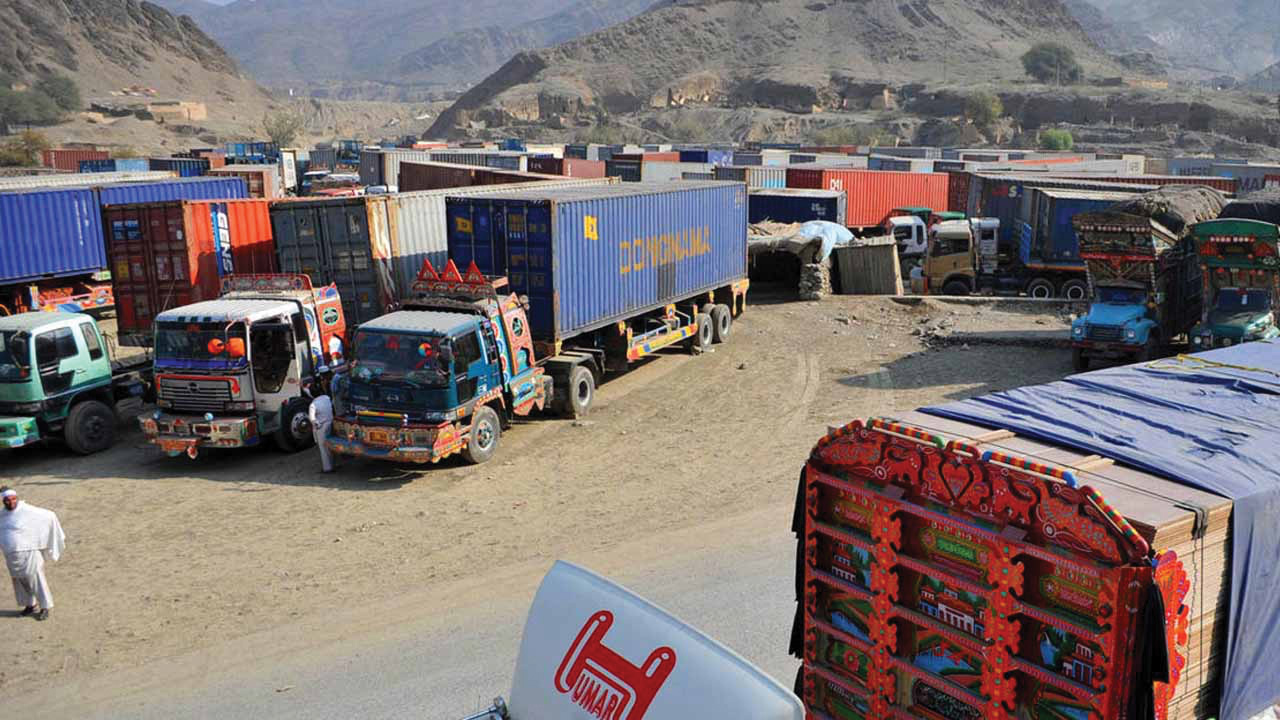
The sharpest economic blow has landed on the commercial freight sector. Because heavy-duty logistical trailers depend entirely on high-speed diesel, the recent price adjustments have forced the Pakistan Goods Transport Alliance to drastically revise its shipping fees.
Freight charges for loaded commercial trailers traveling the critical trade corridor from Karachi to Peshawar have reached an astonishing Rs700,000 per trip. Wholesale market networks and trading unions have immediately issued warnings that these elevated supply-chain costs will inevitably be passed down to end consumers, driving up the retail prices of essential food items, milk, vegetables, and manufactured commodities in the coming days.
Public Outcry and Administrative Pushback
Commuters across major urban hubs like Rawalpindi, Lahore, and Karachi have strongly criticized the prompt fare hikes. Citizens have highlighted that while transporters rarely lower fares when the government introduces minor fuel cuts, they are incredibly quick to squeeze the public whenever fuel prices move upward.
In response to the growing public anger, regional transport authorities (RTAs) have convened emergency meetings with transport stakeholders. While officials have noted that dynamic changes are somewhat unavoidable given the global energy environment, the government plans to enforce mandatory, official fare-list displays at all major bus terminals to penalize arbitrary overcharging and illegal exploitation of passengers.
To see full media reporting on how these updated transit rates are impacting daily travel and market logistics across the country, watch this 92 News HD Broadcast on Transport Fare Hike. This video provides immediate field reports from main bus terminals and details the escalating tension between commuters and transport operators following the fuel price announcement.