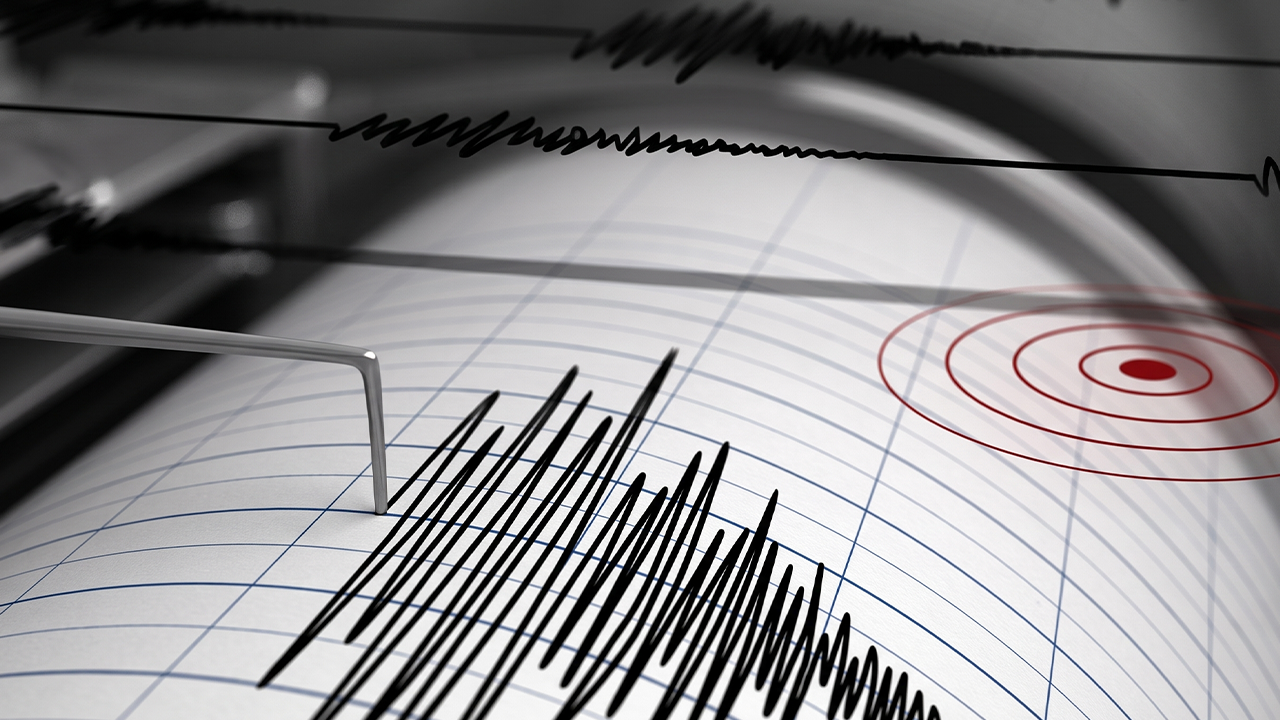
A 5.0-magnitude earthquake struck eastern Türkiye, sending tremors across several nearby areas and prompting residents to rush out of homes and buildings as a precaution. Although moderate in strength, the earthquake was widely felt in the region, reminding communities of Türkiye’s ongoing vulnerability to seismic activity.
Local authorities and emergency response teams immediately began assessing the situation after the quake. Initial reports focused on evaluating potential damage to buildings, public infrastructure, and essential services while ensuring the safety of residents. While earthquakes of this magnitude do not always result in widespread destruction, they can still cause panic, particularly in areas that have experienced devastating seismic disasters in recent years.
Earthquake Felt Across Eastern Türkiye
According to preliminary seismic monitoring reports, the earthquake measured 5.0 on the Richter scale and originated in eastern Türkiye. The tremor was felt across several nearby towns and districts, with many residents describing a sudden shaking that lasted several seconds.
People in homes, offices, schools, and commercial buildings reacted quickly by moving to open areas as emergency procedures were followed. In many neighborhoods, residents gathered outside until officials confirmed there was no immediate danger.
Witnesses shared that although the shaking was relatively brief, it was strong enough to be noticed by a large number of people, especially those living in multi-story buildings.
Emergency Teams Respond Swiftly
Following the earthquake, emergency management authorities coordinated with local governments to inspect roads, bridges, hospitals, schools, and public facilities.
Rescue teams and civil defense personnel remained on standby in case additional assistance became necessary. Utility providers also reviewed electricity, gas, and communication systems to ensure that essential services continued operating without interruption.
Officials urged the public to remain calm while avoiding damaged buildings until safety inspections could be completed.
Emergency response agencies also encouraged citizens to rely only on official announcements and avoid spreading unverified information through social media.
No Immediate Reports of Major Damage
Early assessments suggested that there were no immediate reports of widespread structural damage or significant casualties. However, inspection teams continued surveying affected areas to identify any buildings requiring detailed examination.
Authorities explained that even moderate earthquakes can weaken older structures, making professional inspections important before residents re-enter affected properties.
Residents were also advised to report visible cracks, damaged walls, or other structural concerns to local authorities for further evaluation.
As with many earthquake situations, official assessments continued throughout the day as additional information became available.
Türkiye’s Ongoing Earthquake Risk
Türkiye is located along several major geological fault lines, making earthquakes a regular part of life in many parts of the country.
The movement of tectonic plates beneath the Earth’s surface creates frequent seismic activity, ranging from minor tremors to powerful earthquakes capable of causing significant destruction.
Because of this geographical reality, earthquake preparedness has become an important part of public safety planning throughout the country.
Government agencies, emergency organizations, and educational institutions regularly conduct awareness campaigns that teach people how to respond safely during seismic events.
Importance of Earthquake Preparedness
Natural disasters often occur without warning, making preparation one of the most effective ways to reduce risk.
Emergency experts recommend that households maintain emergency kits containing drinking water, food supplies, flashlights, batteries, first-aid equipment, important documents, and communication devices.
Families are also encouraged to develop emergency plans that identify safe meeting points and evacuation procedures.
Learning basic safety measures, such as taking cover under sturdy furniture, protecting the head and neck, and staying away from windows during shaking, can significantly improve personal safety during an earthquake.
Building Safety Remains Essential
Engineers emphasize that earthquake-resistant construction remains one of the most important factors in reducing damage during seismic events.
Modern building standards are designed to improve structural resilience by allowing buildings to absorb and distribute earthquake forces more effectively.
Authorities continue encouraging regular inspections of older buildings while promoting compliance with updated construction regulations for new developments.
Investment in stronger infrastructure contributes to long-term public safety in earthquake-prone regions.
Public Reaction Following the Tremor
The earthquake quickly became one of the most discussed topics on social media, where residents shared personal experiences and photographs from different locations.
Many described feeling sudden vibrations, while others reported briefly leaving homes, offices, or shops until they felt safe to return.
Community members also used online platforms to check on friends and relatives living in nearby districts.
Although social media provides rapid communication during emergencies, officials reminded citizens to verify information through reliable government sources before sharing reports publicly.
Role of Emergency Services
Emergency response organizations play a vital role following every earthquake, regardless of its strength.
Their responsibilities include assessing structural safety, coordinating rescue operations when necessary, restoring essential services, and providing accurate public information.
Rapid communication between national agencies, local authorities, hospitals, and utility providers helps ensure an organized response during emergencies.
Preparedness exercises conducted throughout the year help improve coordination among different organizations responsible for disaster management.
Staying Alert After the Main Earthquake
Experts often warn that aftershocks may follow an initial earthquake.
Although many aftershocks are smaller than the main event, they can still create additional risks, particularly if buildings have already sustained structural damage.
Residents are generally advised to remain cautious, monitor official updates, and avoid entering damaged structures until engineers declare them safe.
Preparedness remains important until seismic activity fully subsides.
Looking Ahead
As authorities continue monitoring seismic activity in eastern Türkiye, attention remains focused on completing safety inspections and ensuring public well-being.
The earthquake serves as another reminder of the country’s geological realities and the importance of maintaining strong emergency response systems, resilient infrastructure, and public awareness.
Government agencies are expected to continue evaluating affected areas while keeping citizens informed through official communication channels.
Conclusion
The 5.0-magnitude earthquake that struck eastern Türkiye caused widespread concern among residents but prompted a rapid response from emergency authorities. While initial reports indicated no major destruction, inspections continued to ensure the safety of communities and public infrastructure.
For a country that regularly experiences seismic activity, preparedness remains one of the strongest defenses against natural disasters. Continued investment in earthquake-resistant construction, efficient emergency services, and public education will remain essential in reducing future risks. As residents recover from the latest tremor, the event once again highlights the importance of readiness, accurate information, and coordinated emergency response whenever earthquakes occur.