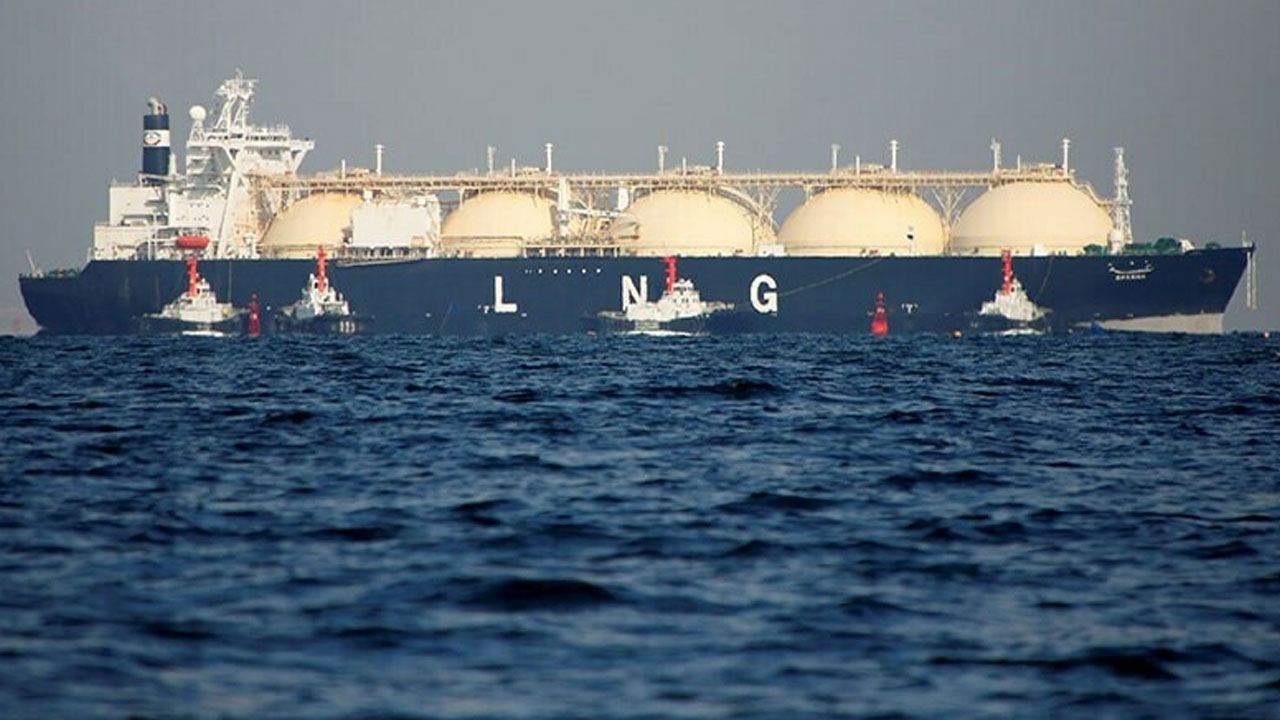
ISLAMABAD: Pakistan LNG Limited (PLL) has issued its first spot tender for liquefied natural gas (LNG) since December 2023, as the country faces supply shortages linked to disruptions caused by the ongoing Middle East conflict.
According to a tender notice issued on Thursday, PLL is seeking bids from international suppliers for three LNG cargoes of approximately 140,000 cubic metres each. The deliveries are scheduled for April 27–30, May 1–7, and May 8–14 at Port Qasim in Karachi, with the bidding process closing on April 24.
Power Minister Awais Leghari said the move is aimed at meeting rising electricity demand and reducing reliance on more expensive fuels such as diesel and furnace oil. He also noted uncertainty over the timing of additional LNG shipments from Qatar, Pakistan’s primary supplier.
The tender comes after recent power shortages led to widespread outages, driven by reduced hydropower generation and interruptions in LNG supplies. Since the escalation of the Middle East conflict on February 28, Pakistan has not received any LNG cargoes loaded afterward, as shipping through the Strait of Hormuz — a critical global energy route — has been severely disrupted.
Qatar, which supplied the majority of Pakistan’s 6.64 million metric tons of LNG imports last year, relies heavily on this route for exports. Meanwhile, Azerbaijan’s state energy firm SOCAR has expressed readiness to supply LNG to Pakistan under a 2025 framework agreement that allows expedited procurement.
Pakistan had earlier cancelled 21 LNG cargoes for 2026–27 under a long-term agreement with Eni, anticipating slower demand growth and increased reliance on solar energy. However, the current supply disruptions have exposed vulnerabilities, even as domestic and renewable energy sources have helped mitigate some of the impact.
Despite diversification efforts, LNG remains critical for meeting peak summer demand and avoiding power shortages. The situation has been further complicated by rising global prices, with Asian spot LNG rates climbing to around $16.05 per mmBtu — up 54% since late February — amid tighter supplies and market uncertainty.
Analysts warn that continued supply constraints and high prices could dampen LNG demand across Asia, while highlighting Pakistan’s ongoing exposure to external energy shocks.