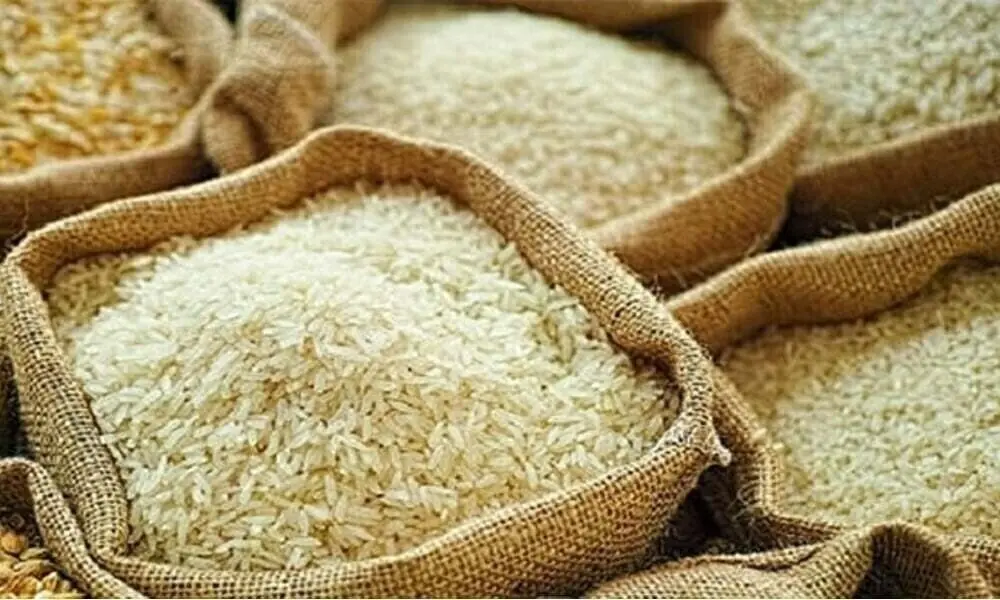
The Government of Pakistan has sanctioned Rs15 billion in financial support for rice exporters, aiming to strengthen the sector amid recent export declines. The Ministry of Commerce (MoC), in collaboration with the State Bank of Pakistan (SBP), Pakistan Single Window (PSW), and Customs authorities, is establishing a stringent framework to prevent any misuse of these funds.
Background and Rationale
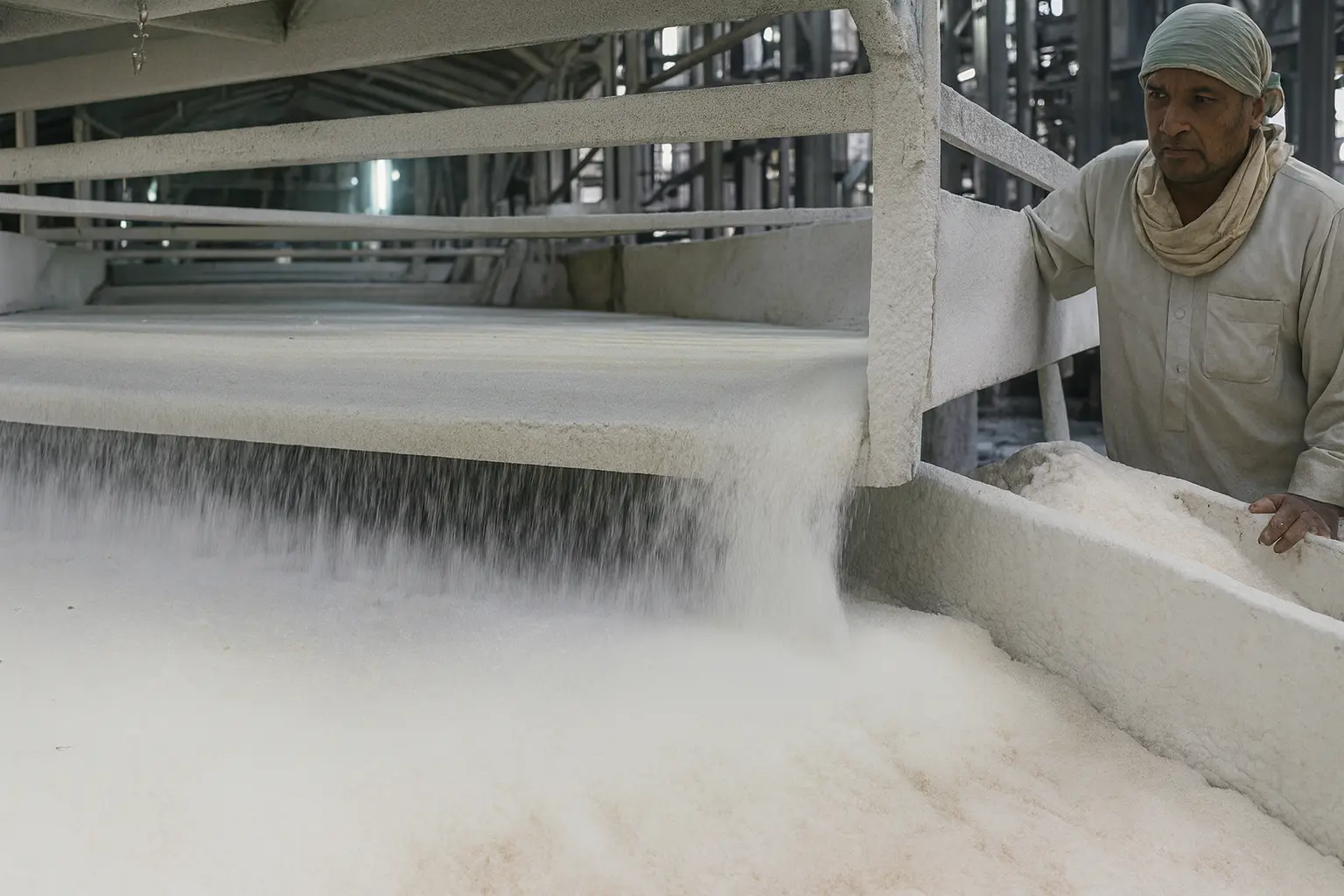
The Export Development Board (EDF), chaired by the Commerce Minister, approved this assistance despite opposition from some board members. Rice remains Pakistan’s second-largest export after textiles, playing a vital role in foreign exchange earnings, rural employment, and agro-industrial activities.
Rice exports had increased from USD 2.04 billion in FY2021 to USD 3.93 billion in FY2024, largely due to temporary global supply disruptions. However, exports eased to USD 3.35 billion in FY2025 as major competitors re-entered the market. The decline has worsened in the current financial year, with exports from July to December dropping by approximately USD 854 million compared to the previous year.
Challenges Affecting Rice Exports
- Global oversupply, particularly due to India’s return to the export market with heavy subsidies, has lowered prices and widened the price gap between Indian and Pakistani basmati rice.
- Elevated domestic paddy prices and high financing costs have increased production expenses.
- Stock accumulation in importing countries and regional trade tensions have further constrained export potential.
These factors have created liquidity challenges throughout the rice export value chain.
Stakeholder Perspectives
Faisal Jahangir, Chairman of the Rice Exporters Association of Pakistan (REAP), highlighted that Pakistan has an exportable surplus of about 4.1 million metric tons, representing near-term export potential of around USD 2 billion if competitiveness issues are addressed. He requested financial support until June 30, 2026, proposing interest rates of 9 percent for basmati and 3 percent for non-basmati rice exports.
However, some board members expressed concerns. The Chief Executive of TDAP, Faiz Ahmad Chadhar, noted that last year’s export growth was mainly due to India’s export ban, and with India’s return, a decline was expected. He also cautioned that subsidies might disproportionately benefit certain supply-chain participants.
Babar Khan, Chairman of the Pakistan Hosiery Manufacturers Association (PHMA), opposed the proposal, emphasizing that the Duty Drawback of Local Taxes and Levies (DLTL) is a federal policy under the Ministry of Commerce and not an EDF matter. He advocated for a uniform policy across all export sectors and suggested returning Export Development Surcharge (EDS) collections to exporters rather than subsidizing a single sector.
Bilal Shahid Tata, CEO of Tata Best Food Ltd, also opposed the subsidy, warning it could prompt similar demands from other sectors and stressed that subsidies are not a sustainable solution. He encouraged EDF to focus on structural improvements such as research and development, branding, technology upgrades, and skill development.
Other board members recommended that REAP submit proposals targeting improved crop management, water-efficient farming, and higher yields to enhance long-term competitiveness.
Government Directives and Implementation
The Secretary Commerce, also Vice Chairman of the Board, informed members that the Prime Minister had directed the Ministry of Commerce and related ministries to engage with trade chambers to identify export challenges. He noted that rice exports have fallen nearly 50 percent this year, contributing to 60 percent of the total export decline of USD 1.4 billion.
The Prime Minister has instructed the Finance Division to allocate Rs20 billion as a federal grant to the EDF in the upcoming financial year to address funding concerns.
Executive Director General of MoC, Muhammad Ashraf, shared data indicating that while rice production increased slightly, export volumes dropped significantly in the first half of the current year, with a persistent price gap impacting competitiveness. He estimated that Rs30 billion would be needed for a six-month support scheme.
Approval and Monitoring Measures
The Commerce Minister recommended approving the Rs15 billion assistance in line with the Prime Minister’s directives, assuring that EDF’s financial health would remain intact. The Secretary Commerce proposed a 90-day review period to evaluate the scheme’s impact on supply, demand, and pricing.
To prevent misuse, the scheme will be implemented through a digital payment system developed in consultation with SBP, PSW, and Customs. Strict monitoring and mandatory performance reviews will be conducted.
Following thorough discussions, the Board approved the funding at interest rates of 3 percent for non-basmati and 9 percent for basmati rice, valid until June 30, 2026. Additionally, the EDF’s annual budget will be increased to Rs27.3 billion to support export development initiatives.