Venezuela and US Begin Diplomatic Talks Following Maduro’s Capture
Venezuela announced the initiation of diplomatic discussions with the United States aimed at re-establishing official relations, shortly after US forces removed Nicolas Maduro from power.
Steps Toward Restoring Diplomatic Engagement
Foreign Minister Yvan Gil declared that the interim government under President Delcy Rodriguez has launched an exploratory process to reactivate diplomatic missions in both countries. This development follows a significant escalation in US-Venezuela relations, marked by a US-led operation that led to Maduro’s detention.
Officials revealed that a delegation led by John McNamara, the senior US diplomat in Colombia, traveled to Caracas to evaluate the prospects of gradually resuming embassy activities. Correspondingly, Venezuela plans to send representatives to Washington.
US Oil Interests and Political Developments
In Washington, US President Donald Trump convened with major oil corporations to discuss investments in Venezuela’s vast crude reserves. Despite Trump’s optimism, ExxonMobil CEO Darren Woods expressed caution, labeling the Venezuelan market “uninvestable” without major reforms.
Key highlights from Trump’s statements include:
- Suspension of a second wave of military actions following prisoner releases.
- Commitment that foreign companies would negotiate solely with the US government rather than Venezuelan authorities.
- Plans to expand Venezuela’s crude oil production within a stabilized and secure environment.
- Proposals for US sale of between 30 million to 50 million barrels of Venezuelan crude, directing proceeds toward US-made products.
Prisoner Releases and Political Reactions
Following the high-profile raid on January 3, Venezuela began releasing political detainees, an action credited to US influence. Relatives anxiously awaited their loved ones’ freedom, with some breaking down upon hearing the news.
Trump announced plans to meet with Venezuelan opposition leader Maria Corina Machado, whom he had previously dismissed. Meanwhile, opposition figure Edmundo Gonzalez Urrutia called for recognition of his victory in the widely disputed 2024 elections and sought the release of his detained family member.
Public Protests and Ongoing Tensions
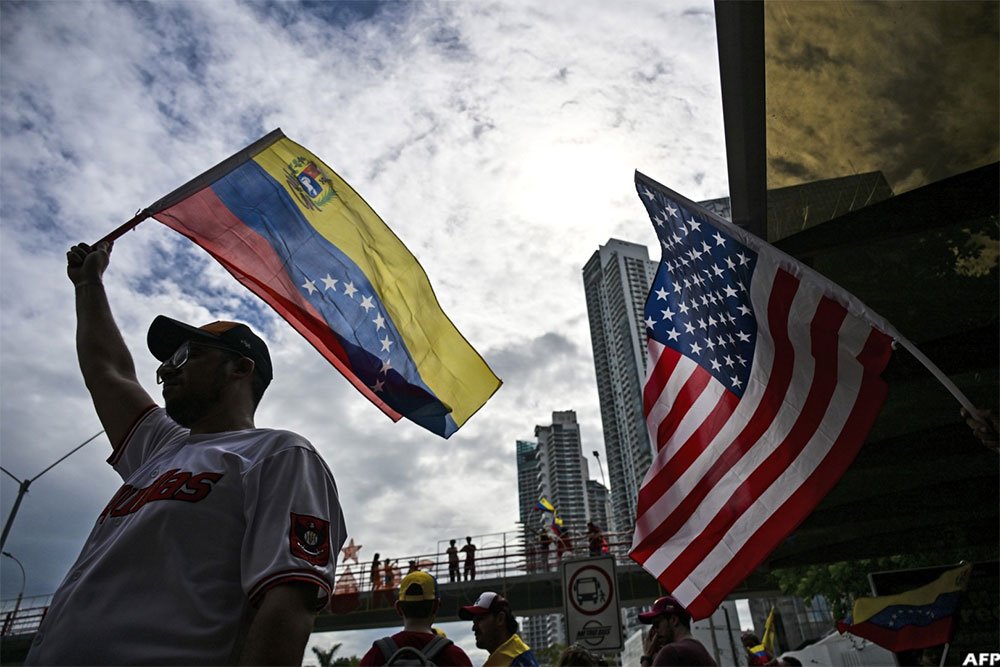
In Caracas, daily demonstrations continued with citizens demanding Maduro’s release and denouncing US actions. Protesters expressed deep resentment over the US strikes and loss of Venezuelan lives, firmly opposing collaboration with American oil interests.
Despite the diplomatic overtures, interim President Rodriguez maintained that Venezuela remains sovereign and resilient in the face of foreign pressures.
Background of the Conflict
Maduro was captured during a US special forces operation on January 3, which resulted in approximately 100 fatalities. He and his wife, Cilia Flores, were transported to New York to face charges including drug trafficking.
Meanwhile, Venezuela’s state-owned oil company PDVSA confirmed the return of one tanker to Venezuelan waters, calling it a successful joint operation with the US amid ongoing maritime enforcement targeting oil shipments.