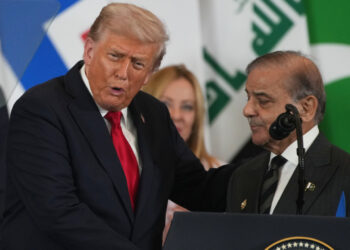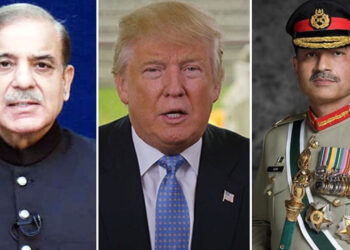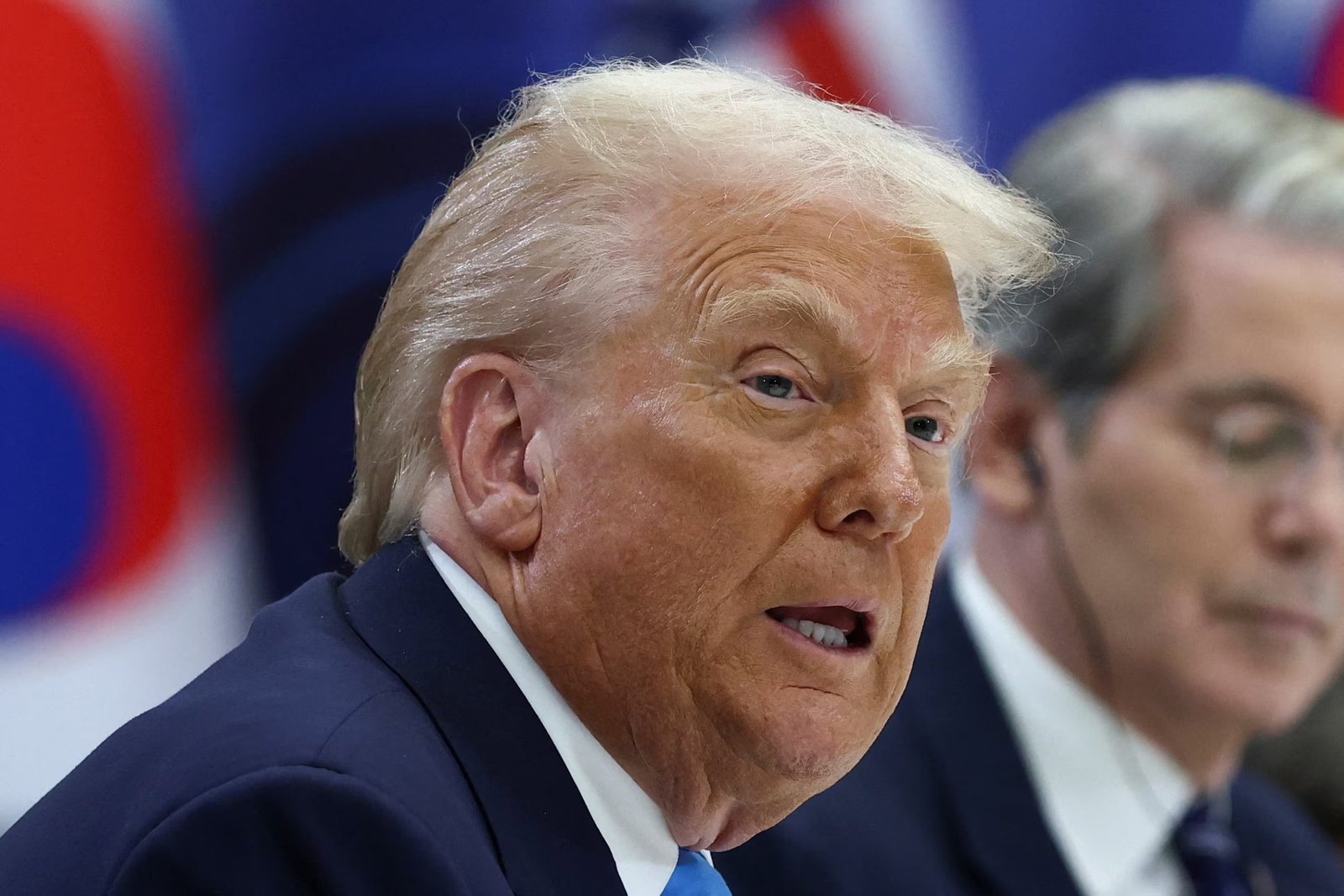
NEW DELHI: Former U.S. President Donald Trump has claimed that he prevented a potential war between India and Pakistan earlier this year by threatening both countries with massive 250% trade tariffs. Speaking at the Asia-Pacific summit in South Korea on Wednesday, Trump said his economic warnings forced both nations to step back from escalating military conflict.
“If you look at India and Pakistan … they were going at it,” Trump told the audience. “Seven planes were shot down. They were really starting to go.” He claimed that he personally called Indian Prime Minister Narendra Modi and Pakistani leaders to warn them that the United States would impose the highest-ever tariffs — 250% — and halt trade entirely if the fighting did not stop.
“I said I was going to put 250% on each country, which means you’ll never do business … That’s a nice way of saying we don’t want to do business with you,” Trump said, earning applause from attendees as he discussed his trade policy toward Asia.
According to Trump, both sides initially refused to back down, insisting that the U.S. should “let them fight.” However, within two days, both governments reportedly called to confirm that they would cease hostilities. “They both said, ‘No, no, no, you should let us fight.’ After literally two days, they called up and said, ‘We understand,’ and they stopped fighting,” Trump stated.
Trump’s comments refer to a brief but tense military standoff between India and Pakistan earlier this year, which involved limited airstrikes and cross-border firing. India had accused Pakistan of supporting militant groups involved in attacks in Kashmir, while Pakistan responded by intercepting Indian fighter jets.
India denies U.S. mediation claim
Both India and Pakistan have yet to comment on Trump’s latest remarks. However, India’s foreign ministry has previously dismissed similar claims, stating that Prime Minister Modi never discussed trade or conflict mediation with Trump. Indian officials have repeatedly maintained that issues with Pakistan are bilateral and exclude third-party involvement.
Pakistan’s response
Pakistan, on the other hand, has acknowledged Trump’s role in de-escalating tensions. Following the 2025 conflict, Islamabad publicly thanked the former U.S. president and even nominated him for a Nobel Peace Prize for his role in preventing war.
Tariff shifts and trade updates
During the same address, Trump announced adjustments in U.S. trade policy toward South Asia. He claimed that Pakistan’s tariff rate had been reduced to 19% from 29% after successful trade negotiations, while certain Indian goods now face tariffs of up to 50%, including an additional 25% levy imposed from August 27 due to India’s ongoing purchases of Russian oil.
“Trade agreements should serve American interests,” Trump said, defending his tariff policy. “We reward fair trade and punish those who take advantage of us.”
The comments have sparked renewed debate about Trump’s influence in South Asia and the accuracy of his claims. Political analysts note that while his tariff threats may have had symbolic impact, no official records confirm a direct link between his intervention and the de-escalation between India and Pakistan.