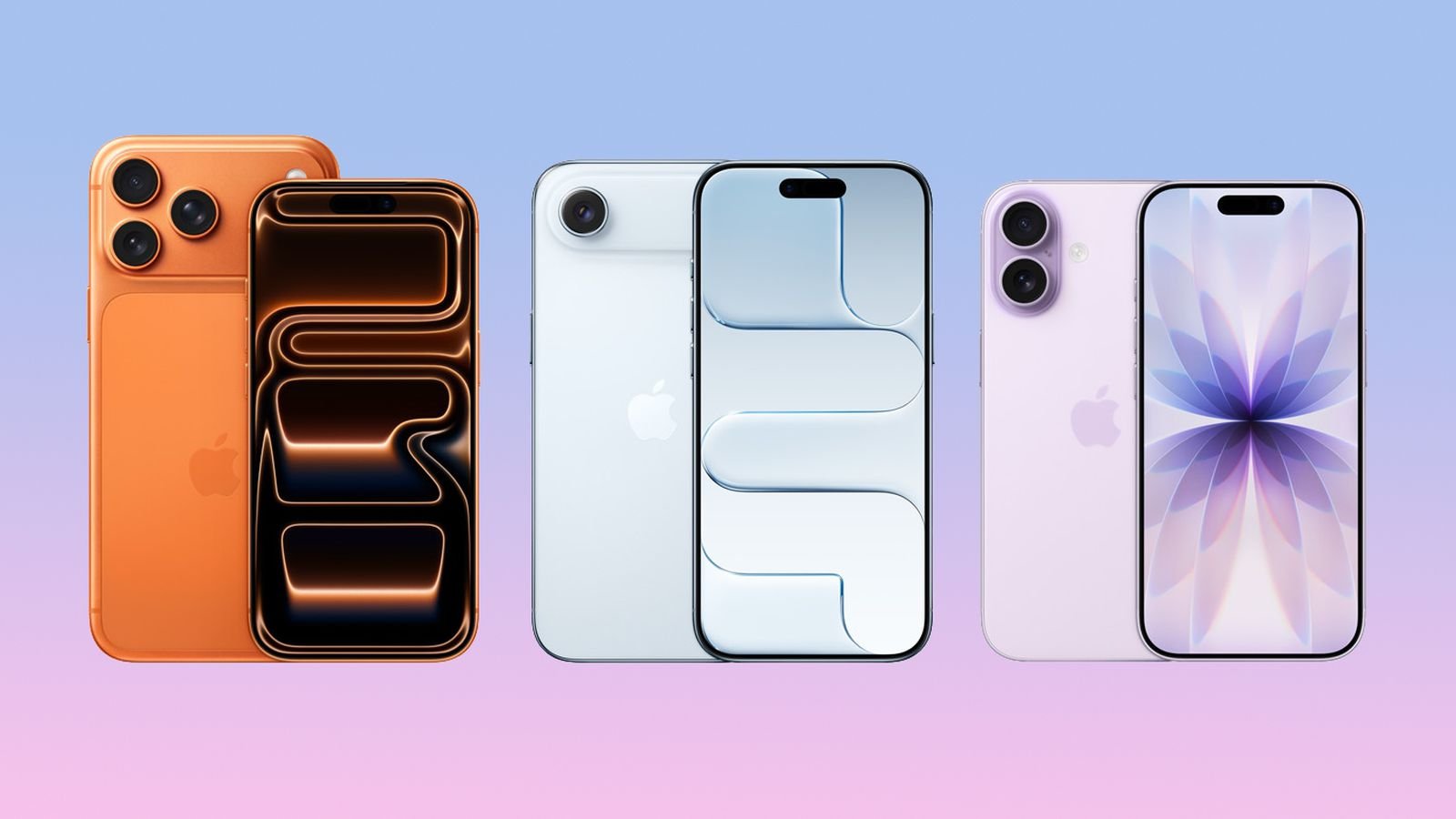
Apple is finally addressing one of the most debated design elements in smartphone history — the notch. According to reports from MacRumors, the upcoming iPhone 18 Pro and iPhone 18 Pro Max, expected to launch next year, will feature a smaller Dynamic Island, marking the company’s first significant step toward a fully frameless and hole-free display.
While Apple isn’t completely eliminating the cutout just yet, the redesign signals a gradual shift in the iPhone’s visual identity. Face ID sensors will remain visible for now, but rumours suggest Apple could move them under the screen with the iPhone 19 Pro, taking another leap toward a seamless design.
Android Did It First — and Apple Is Catching Up
Apple’s move comes years after Android manufacturers pioneered punch-hole and full-screen displays. Back in 2019, Samsung’s Galaxy A51, a mid-range phone, offered a sleek punch-hole design for under Rs50,000 in Pakistan. Around the same time, Samsung’s Galaxy S20 series adopted the same modern display style.
Apple, however, maintained its iconic notch even in premium devices like the iPhone 12 Pro Max (2020), priced above Rs200,000 in Pakistan due to taxes and PTA approval costs. Despite the outdated design, Apple’s blend of performance, build quality, and camera excellence continued to win over customers — proof of its strong brand loyalty.
Even the latest iPhone 17 series still carries a large Dynamic Island, showing that Apple prefers gradual evolution over radical design shifts.
Inside the iPhone 18: Familiar Looks, Smarter Core
Beyond the shrinking notch, Apple is gearing up for major internal upgrades. The iPhone 18 Pro lineup is expected to feature a 48-megapixel camera with variable aperture, giving users more control over light exposure — a feature long seen in Android flagships.
Under the hood, the devices will be powered by the A20 Pro chip, built on TSMC’s 2-nanometre process, promising massive improvements in speed and power efficiency. A subtle design tweak will appear on the back: a semi-transparent MagSafe ring area revealing a hint of the internals.
Screen sizes will remain unchanged at 6.3 inches for the Pro and 6.9 inches for the Pro Max, maintaining Apple’s familiar proportions.
What’s Next: Foldables and a New Release Cycle
Apple may also be revamping its launch calendar from 2026 onward, potentially releasing Pro and foldable iPhones in autumn, followed by non-Pro models in spring.
Leaks suggest Apple’s first foldable iPhone could resemble Samsung’s Galaxy Z Fold, with a book-style hinge, large flexible display, multiple cameras, and even a Touch ID system integrated into the screen.
If these reports prove accurate, the iPhone 18 could mark the start of a new era for Apple, blending innovation with refinement. After years of holding onto its iconic design, the company may finally be ready to break free from its notch-shaped shadow and redefine the modern smartphone once again.