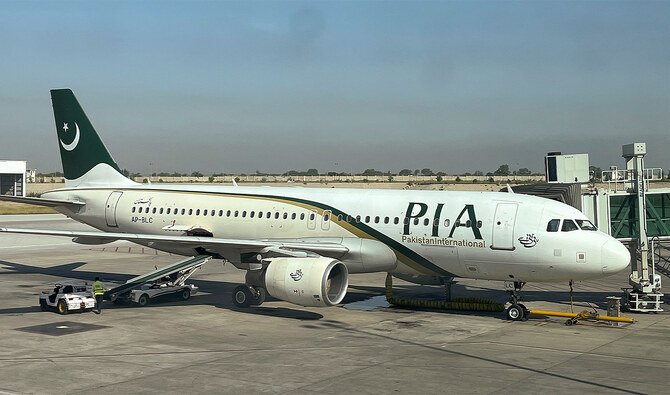
The federal government of Pakistan has decided to restart the privatization process of Pakistan International Airlines (PIA), the country’s national carrier. Expressions of interest (EOIs) from potential buyers are expected to be invited within the month, with the final decision to be made in a meeting of the Prime Minister’s Committee on Privatization. This move comes as part of the government’s broader efforts to reform and revitalize state-owned enterprises (SOEs) and improve their financial sustainability.
Privatization Process and Key Developments
During a recent meeting of the National Assembly Standing Committee on Privatization, Privatization Commission Secretary Usman Bajwa provided a detailed briefing on the renewed privatization process. He highlighted that the International Monetary Fund (IMF) has approved tax exemptions on aircraft for all airlines operating in Pakistan, except for PIA. This exemption is intended to level the playing field and enable other airlines to compete more effectively with regional carriers.
The privatization process has been a long-standing agenda for the government, aimed at reducing the financial burden of PIA on the national exchequer. The airline has been grappling with significant financial losses, mismanagement, and operational inefficiencies for years. The government has already taken over PIA’s liabilities amounting to Rs650 billion, with an additional Rs45 billion in dues to be settled before the privatization process is finalized.
Employee Protection and Job Security
One of the key concerns surrounding the privatization of PIA is the job security of its employees. During the meeting, Farooq Sattar, Chairman of the Privatization Committee, emphasized the need to ensure that PIA employees’ jobs are protected for at least five years post-privatization. The Privatization Commission assured the committee that employee protection remains a top priority and that the terms of job security will be finalized before the bidding process begins.
Financial and Operational Challenges
PIA’s financial situation remains precarious. The airline’s assets are currently valued at Rs155 billion, while its liabilities stand at Rs200 billion, reflecting a significant deficit. As part of the privatization agreement, the new buyer will be required to add 15 to 20 new aircraft to PIA’s fleet, which is expected to enhance the airline’s operational capacity and competitiveness.
Privatization of Other State-Owned Enterprises
In addition to PIA, the Privatization Committee has also sought a timeline for the privatization of three power distribution companies: Faisalabad Electric Supply Company (FESCO), Gujranwala Electric Supply Company (GEPCO), and Islamabad Electric Supply Company (IESCO). Officials stated that the privatization process for these entities will accelerate following the appointment of a financial advisor. The privatization of these power companies is part of the government’s broader strategy to improve the efficiency and service delivery of the energy sector.
Conclusion
The decision to restart the privatization process of PIA marks a significant step in the government’s efforts to reform the aviation sector and reduce the financial burden of loss-making SOEs. While the process is expected to attract potential investors, ensuring job security for employees and addressing the airline’s financial challenges will be critical to its success. The privatization of PIA, along with other state-owned enterprises, reflects the government’s commitment to economic reforms and improving the efficiency of public sector entities. However, the process will require careful planning, transparency, and stakeholder engagement to achieve its intended objectives.