Xi Jinping Proposes Global AI Oversight Body at APEC Summit in Strategic Bid to Counter U.S.
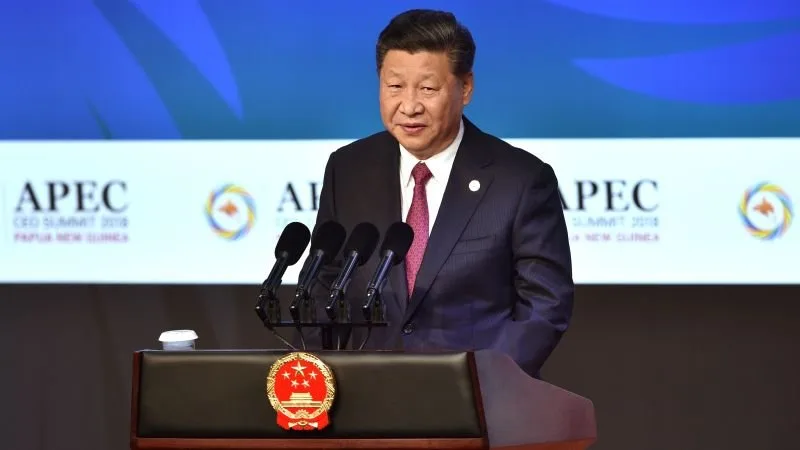
At the Asia-Pacific Economic Cooperation (APEC) summit in Gyeongju, China’s President Xi Jinping made a bold proposal for the establishment of a global artificial-intelligence cooperation organization, positioning Beijing as a serious challenger to U.S. dominance in tech governance. The suggested entity is aimed at setting international standards for AI, framing the technology as a “public good” and reinforcing China’s push toward algorithmic leadership.
President Xi stated that such a body could be headquartered in Shanghai and would focus on ethical frameworks, shared innovation, and cross-border collaboration, especially in areas like green technologies, where China already leads globally. His remarks reflect Beijing’s broader vision of shaping a tech ecosystem that extends beyond domestic ambitions—one that reshapes global trade, innovation, and power dynamics.
The move comes amid heightened tensions in global trade and technology sectors. While the U.S. opted out of formal declarations of AI governance at the summit, China is presenting itself as the alternative steward of multilateral progress. Analysts believe this could mark a shift in the way global tech policy is formed, with technology as the newest frontier of strategic competition.
Related stories
 International Politics
Trump Waives New Russia Sanctions; Moscow Hails Move
 International Politics
European Parliament Investigates French MEP Rima Hassan Over Alleged Israeli Flag Incident
 International
PM Shehbaz Backs China's Global Development Initiative, Calls for Peace
 International Politics
Russia, Iran Call for Diplomatic Solution to Crisis
 International Politics
UK's Miliband announces sanctions on goods from West Bank over 'ethnic cleansing' by Israeli settlers
 International Politics