US Officially Exits World Health Organisation Amid Legal and Financial Disputes
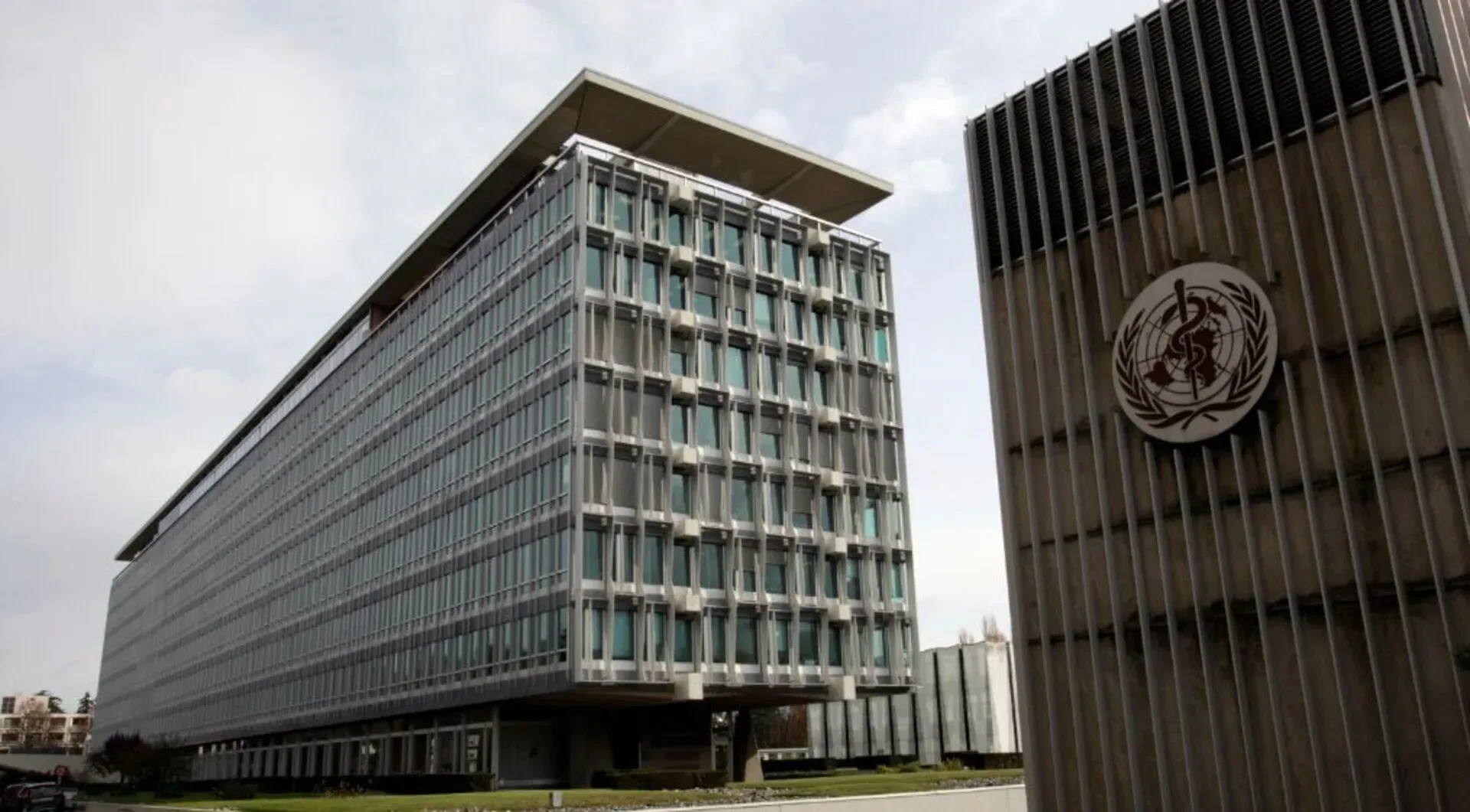
The United States is set to formally exit the World Health Organisation (WHO) this Thursday, a move that has raised concerns about its impact on both national and global health. This decision also conflicts with US legal requirements to settle outstanding fees owed to the WHO before departure.
Background and Legal Obligations
President Donald Trump announced the US withdrawal from the WHO on the first day of his presidency in 2025 through an executive order. According to US law, the country must provide a one-year notice and pay all dues owed to the UN health agency before officially leaving.
A spokesperson from the US State Department stated that the WHO's shortcomings in managing and sharing information during health crises have cost the US trillions of dollars. Consequently, the president has exercised his authority to halt any future US government funding, support, or resources to the WHO.
"The American people have paid more than enough to this organisation and this economic hit is beyond a down payment on any financial obligations to the organisation," the spokesperson said in an email.
Reactions and Future Prospects
Global health experts, including WHO Director General Tedros Adhanom Ghebreyesus, have urged the US to reconsider its decision. Tedros expressed hope that the US would rejoin, stating that withdrawal is a loss for both the US and the world.
The WHO has noted that the US has not yet paid its fees for 2024 and 2025. Discussions about the US departure and its handling are scheduled for the WHO's executive board meeting in February.
Lawrence Gostin, founding director of the O'Neill Institute for Global Health Law, described the US action as a clear violation of domestic law but suggested that enforcement is unlikely.
Bill Gates, chair of the Gates Foundation, which funds many global health projects including WHO initiatives, indicated at Davos that he does not expect the US to return to the WHO in the near term but plans to advocate for it when possible. He emphasized the global necessity of the WHO.
Implications of the US Departure
The US exit has triggered a financial crisis within the WHO, forcing significant budget cuts, including reducing its management team by half and scaling back agency-wide programs. The US has historically been the WHO's largest financial contributor, providing approximately 18% of its total funding.
By mid-year, the WHO expects to reduce its staff by about 25%. Despite the withdrawal, the agency reports ongoing collaboration and information sharing with the US over the past year, though future cooperation remains uncertain.
Experts warn that the withdrawal could undermine global health systems and collaborative efforts essential for detecting, preventing, and responding to health threats. Kelly Henning, public health program lead at Bloomberg Philanthropies, highlighted the potential risks this poses to the US, the WHO, and the global community.
Related stories
 International
Lockheed, Pentagon Agree Initial Deal for 850 F-35 Jets
 International
Japan’s Underwater Postbox Sends Over 1,500 Letters a Year
 International
Russian Su-30 Jet Crashes in Training Flight, Crew Safe
 International
Pakistan, Türkiye, Qatar, Indonesia Sign Badr Defence MoU
 International
Russia Releases US Citizen Stephen Hubbard
 International