US Halts Immigrant Visa Processing for 75 Countries, Including Pakistan and Iran
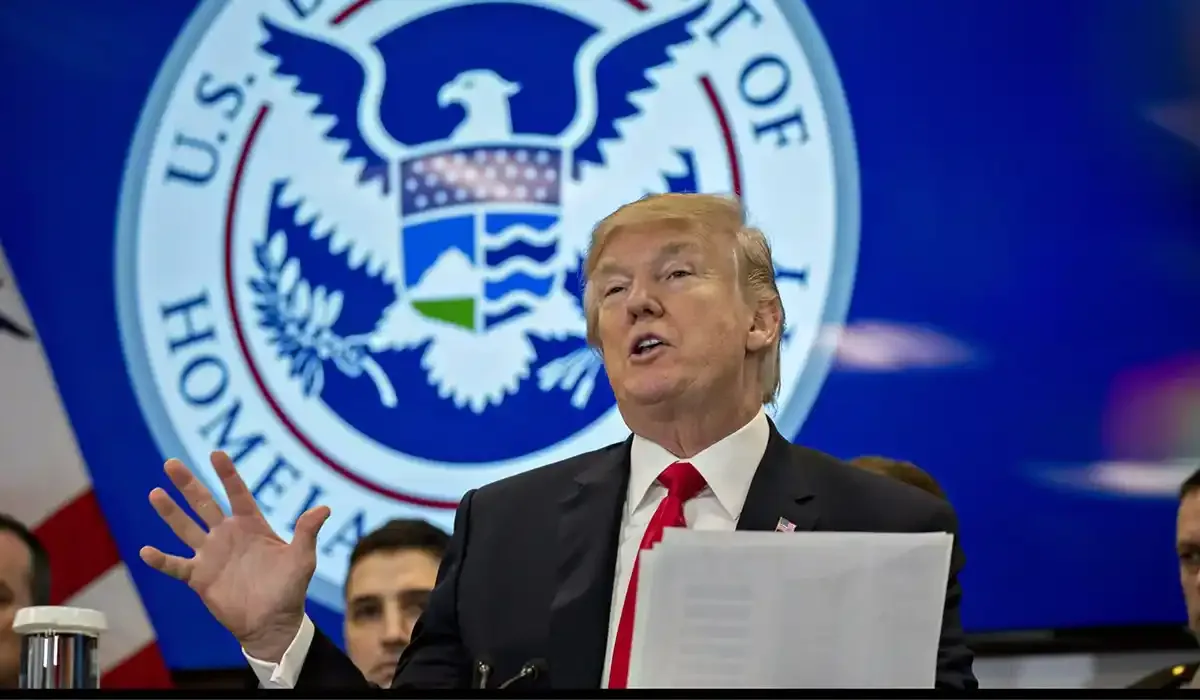
The United States will temporarily suspend immigrant visa processing for 75 countries, including Pakistan, Iran, Russia, and Afghanistan, the State Department announced on January 14, 2026. This decision is part of an effort to address concerns about immigrants relying on public welfare programs upon arrival in the US.
Details of the Visa Suspension
The State Department stated that the pause will apply to countries whose immigrants have been identified as having high rates of welfare dependency. The suspension is set to begin on January 21, 2026, and will remain in place until the US can ensure that new immigrants will not become a public financial burden.
Among the countries affected are Somalia, Haiti, Iran, Eritrea, Pakistan, Russia, Afghanistan, Brazil, Nigeria, and Thailand. The department emphasized that the move aims to prevent abuse of American generosity and public resources.
Implementation and Policy Context
A memo issued to US embassies instructs consular officers to deny immigrant visas under existing legal provisions while the State Department reviews its procedures. No specific timeline for the resumption of visa processing has been provided.
This visa suspension aligns with the broader immigration policies pursued by President Donald Trump's administration since January 2025. Notably, in November 2025, President Trump announced intentions to halt migration from certain countries following a security incident involving an Afghan national near the White House.
Reactions and Additional Information
White House Press Secretary Karoline Leavitt confirmed the list of affected countries, highlighting Somalia, Russia, and Iran among them. She also noted that some countries with traditionally friendly relations with the US, such as Brazil, Egypt, and Thailand, are included in the suspension.
The State Department has not provided further details on the criteria used to select the 75 countries or on the duration of the suspension. The policy reflects ongoing efforts by the administration to tighten immigration controls and address concerns about public welfare usage by immigrants.
Related stories
 International
Russian Su-30 Jet Crashes in Training Flight, Crew Safe
 International
Russia Releases US Citizen Stephen Hubbard
 Middle East
Iran's Latest Warning Raises a Big Question: What Happens If It Is Attacked Again?
 Pakistan
Colourful Dancing Fountain Installed at Lahore’s Azadi Square
 Pakistan
CM Maryam Nawaz: Punjab Taking Concrete Steps Against Poverty
 Middle East