Untreated Sleep Apnea May Double Parkinson’s Risk
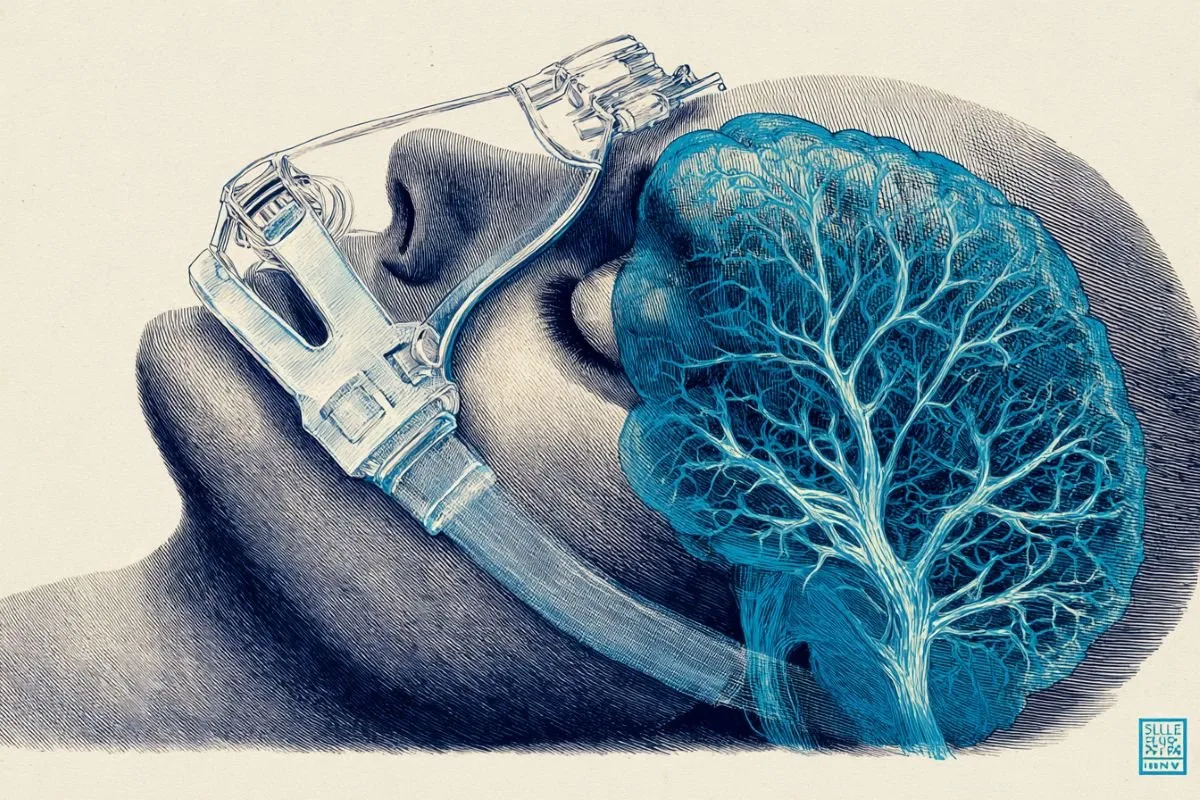
A new study has highlighted a significant link between untreated obstructive sleep apnea (OSA) and an increased risk of developing Parkinson’s disease. Published in JAMA Neurology, the research analyzed electronic health records of over 11 million U.S. military veterans, uncovering that those who did not receive proper treatment for sleep apnea were nearly twice as likely to be diagnosed with Parkinson’s.
Sleep apnea, a condition where breathing repeatedly stops and starts during sleep, can lead to insufficient oxygen levels in the body. Lead author Dr. Lee Neilson, assistant professor of neurology at OHSU and a staff neurologist at the Portland VA, explained, “If you stop breathing and oxygen is not at a normal level, your neurons are probably not functioning at a normal level.”
The study accounted for crucial confounding factors, including age, obesity, and high blood pressure, and confirmed that untreated sleep apnea itself significantly increases the risk of developing Parkinson’s. The findings suggest that using continuous positive airway pressure (CPAP) therapy can help mitigate this risk by maintaining steady airflow and improving sleep quality.
Parkinson’s disease is a neurodegenerative condition affecting nearly 1 million people in the United States, typically manifesting after age 60. The study emphasizes that addressing sleep apnea is not only crucial for improving nightly rest but also serves as a potential protective intervention for long-term neurological health. Veterans who experienced positive outcomes with CPAP therapy have reported improved sleep and quality of life, encouraging wider adoption of the treatment.
This research underscores the vital importance of prioritizing sleep health as a measure to potentially reduce the risk of Parkinson’s disease and other neurodegenerative disorders.
Related stories
 Health
Childhood Cancer: Four Warning Signs Parents Should Know
 Health
Cloves May Help Strengthen Bones, Research Suggests
 Health
Health Minister: 2D Barcodes Mandatory on All Medicines
 Health
Too Much of a Good Thing: How Overeating Healthy Foods Can Harm Your Body
· 2 min read Health
DRAP Makes 2D Barcodes Mandatory on All Medicines: How to Verify Your Medicine by Scanning
 Health