U.S. FDA Investigates COVID-19 Vaccine-Linked Deaths
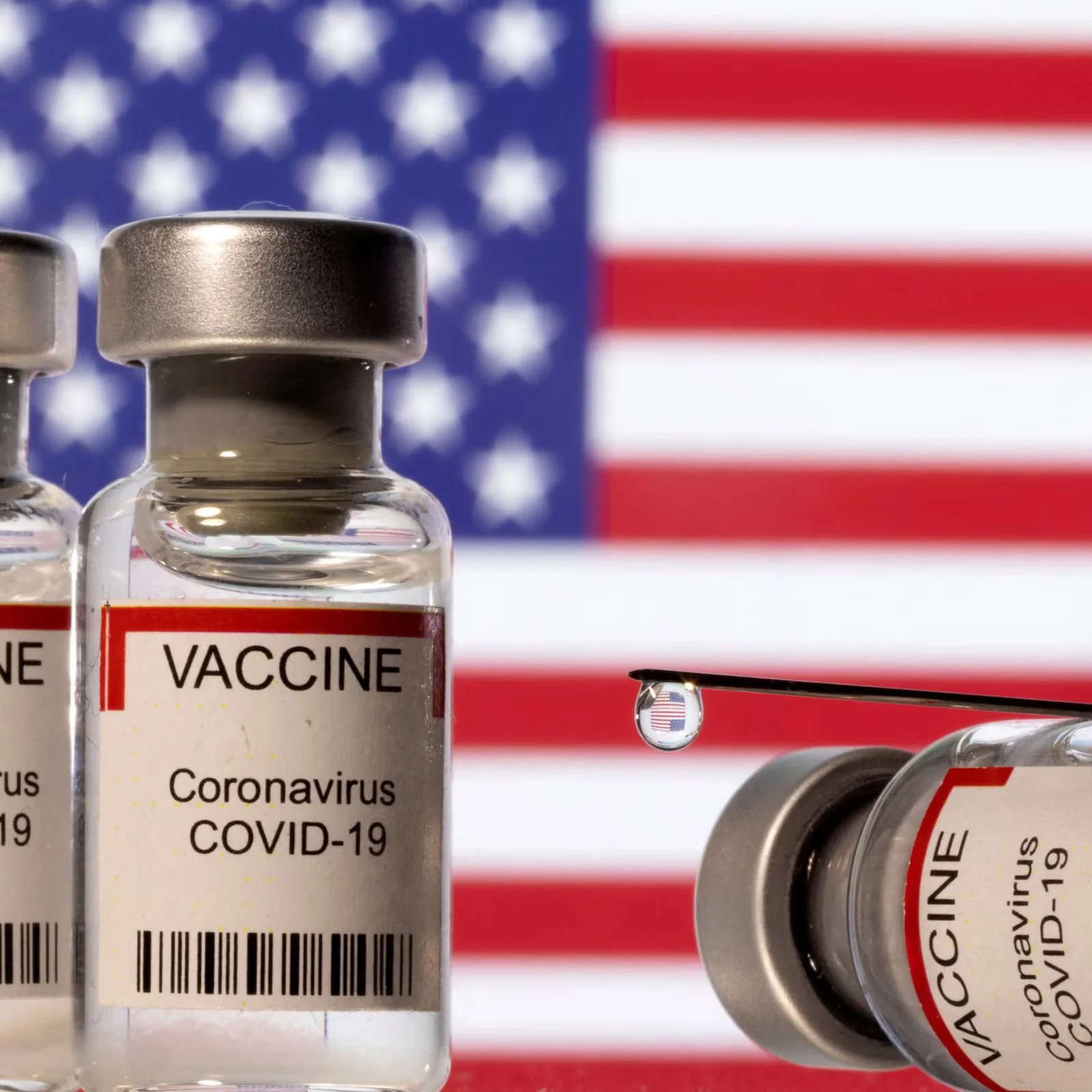
The U.S. Food and Drug Administration (FDA), under the Department of Health and Human Services (HHS), has initiated a formal investigation into deaths potentially associated with COVID-19 vaccines across multiple age groups. The announcement was made by an HHS spokesperson, highlighting the agency’s commitment to ensuring vaccine safety while addressing public concerns.
The investigation follows internal memos and preliminary analyses suggesting that mRNA-based COVID-19 vaccines may have contributed to the deaths of at least 10 children due to heart inflammation. These findings were based on an initial review of 96 deaths occurring between 2021 and 2024 and have not yet been published in a peer-reviewed medical journal. The agency has not yet clarified the full range of age groups included in the probe.
Moderna, which produces the mRNA-based Spikevax vaccine, reiterated that no new or undisclosed safety concerns have been identified in children or pregnant women. Similarly, Pfizer, in partnership with BioNTech, reaffirmed the safety and efficacy of its COVID-19 vaccine.
In parallel, U.S. Health Secretary Robert F. Kennedy Jr., known for his critical stance on vaccines, has implemented significant policy changes. These include restricting COVID-19 vaccine access primarily to people aged 65 and older, as well as individuals with underlying health conditions. Kennedy has also revised longstanding vaccine recommendations, including limiting the hepatitis B birth dose, cutting funding for mRNA vaccines, and making controversial claims linking vaccines to autism—claims that contradict established scientific consensus.
The FDA’s investigation and these policy changes have sparked widespread debate among medical professionals, scientists, and public health advocates. Experts emphasize the importance of ongoing monitoring and transparent communication to maintain public confidence in vaccination programs, particularly given the crucial role of COVID-19 vaccines in managing the pandemic.
The investigation marks a pivotal moment for U.S. health authorities as they balance public safety concerns, vaccine policy reforms, and the continued global fight against COVID-19.
Related stories
 Health
Punjab Health Card Service Suspended? What Patients Need to Know
 Health
Olive Oil Before Meals: Can This Simple Habit Help Control Blood Sugar?
· 2 min read Health
Childhood Cancer: Four Warning Signs Parents Should Know
 Health
Cloves May Help Strengthen Bones, Research Suggests
 Health
Health Minister: 2D Barcodes Mandatory on All Medicines
 Health