Turkiye Poised to Join Pakistan-Saudi Arabia Defence Pact, Signaling Strategic Shift
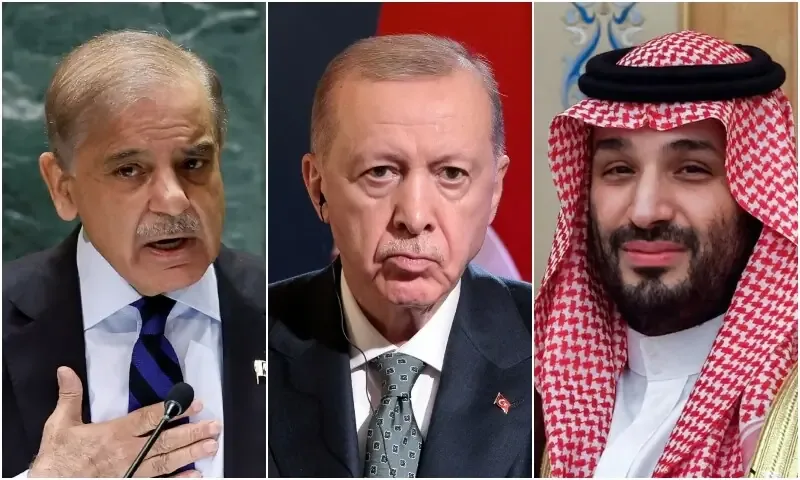
Reports have emerged that Turkiye is actively seeking to become part of the mutual defence agreement already established between Pakistan and Saudi Arabia, a move that could reshape regional security dynamics across South Asia and the Middle East. Bloomberg, citing anonymous sources close to the discussions, suggests that negotiations are in advanced stages and a deal appears highly probable.
Background: The Existing Pakistan-Saudi Defence Agreement
Last September, Prime Minister Shehbaz Sharif of Pakistan and Saudi Crown Prince Mohammed bin Salman signed a Strategic Mutual Defence Agreement in Riyadh. Under this pact, an attack against one signatory would be considered an act of aggression against both nations.
Why Turkiye's Inclusion Matters
The potential expansion of this alliance with Turkiye reflects overlapping strategic interests extending from South Asia to the Middle East and Africa. Turkiye sees participation in the pact as enhancing its security architecture and deterrence capabilities amid uncertainties about the reliability of the United States — a country with strong military ties to all three nations — especially given shifting U.S. commitments to NATO under President Donald Trump.
Complementary Strengths of the Triad
- Saudi Arabia: Financial resources and regional influence.
- Pakistan: Nuclear arsenal, ballistic missile capability, and substantial manpower.
- Turkiye: Extensive military expertise and a robust defence industry.
According to Nihat Ali Ozcan, a strategist at Ankara-based think tank TEPAV, the fluid geopolitical environment and the U.S.'s growing prioritization of its own and Israeli interests are driving countries to forge new alliances to distinguish allies and adversaries.
Developments Signaling a New Chapter in Saudi-Turkiye Relations
The agreement would signify a notable thaw and new collaborative era between Riyadh and Ankara, who have recently worked to deepen economic and defence ties. Highlights include their inaugural naval meeting held this week in Ankara, as confirmed by the Turkish defence ministry.
Shared Regional Concerns
Both nations maintain apprehensions regarding Tehran and prefer engagement over military confrontation in addressing issues related to Iran's regional activity.
Military Cooperation with Pakistan
Turkiye has a longstanding defence partnership with Pakistan, contributing to projects such as:
- Construction of corvette warships for the Pakistan Navy.
- Modernization upgrades to Pakistan Air Force’s F-16 fighter jets.
- Sharing of drone technology.
- Participation invitations to Turkiye's Kaan fifth-generation fighter jet program.
The trilateral discussions emerge against the backdrop of recent regional developments, including a ceasefire between Pakistan and India following a brief military clash in May, as well as tensions between Pakistan and Afghanistan, with Turkiye and Qatar attempting to mediate talks.
Historical and Strategic Context
Pakistan and Saudi Arabia share a multifaceted relationship grounded in strategic military cooperation, economic interdependence, and Islamic cultural ties. Saudi Arabia has been a significant provider of financial aid and energy resources to Pakistan.
Meanwhile, Turkiye has become a key defence partner for Pakistan. The Stockholm International Peace Research Institute (SIPRI) data from 2023 highlights Turkiye as Pakistan’s second-largest arms supplier, responsible for 11% of Pakistan’s arms imports. This relationship has grown stronger through joint projects and technology sharing, underscoring defence cooperation as a central pillar of bilateral ties.
Responses and Outlook
While Turkiye’s information and defence ministries have declined to comment on the reports, and Saudi authorities have yet to respond, experts view the alliance as a strategic recalibration influenced by shifting geopolitical alignments and security concerns.
Should Turkiye officially join, it would represent a significant development in regional security architecture, combining Turkiye’s military industrial base, Saudi financial muscle, and Pakistan’s nuclear and manpower assets into an enduring tripartite defence coalition.
Related stories
 International Politics
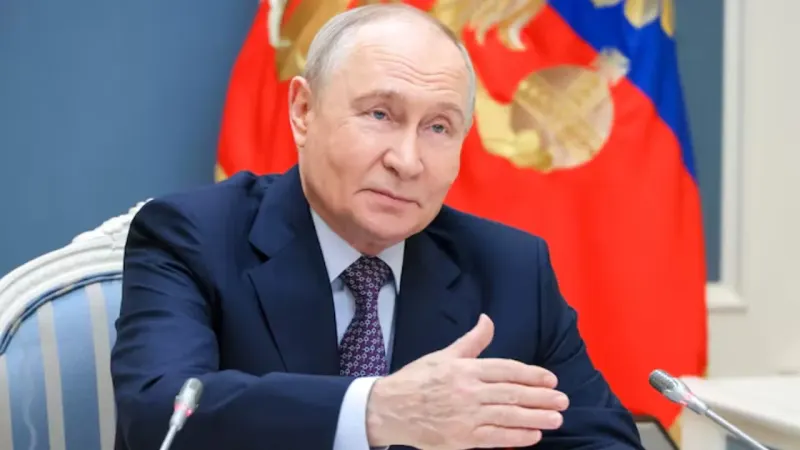
Trump Waives New Russia Sanctions; Moscow Hails Move
 International Politics
European Parliament Investigates French MEP Rima Hassan Over Alleged Israeli Flag Incident
 International Politics
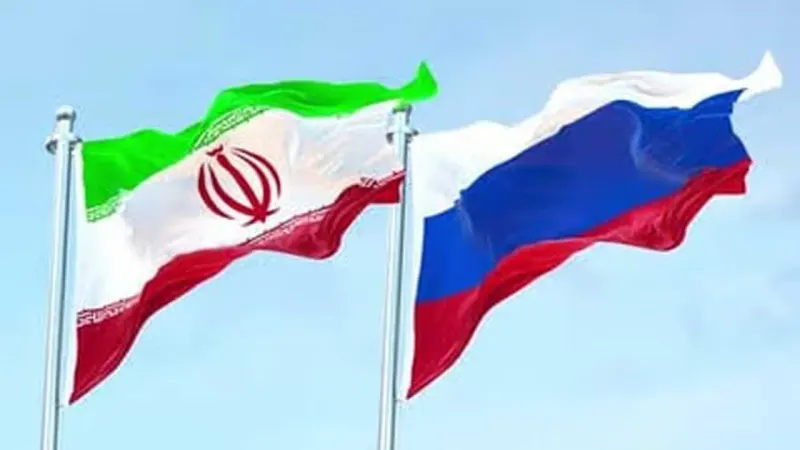
Russia, Iran Call for Diplomatic Solution to Crisis
 International Politics
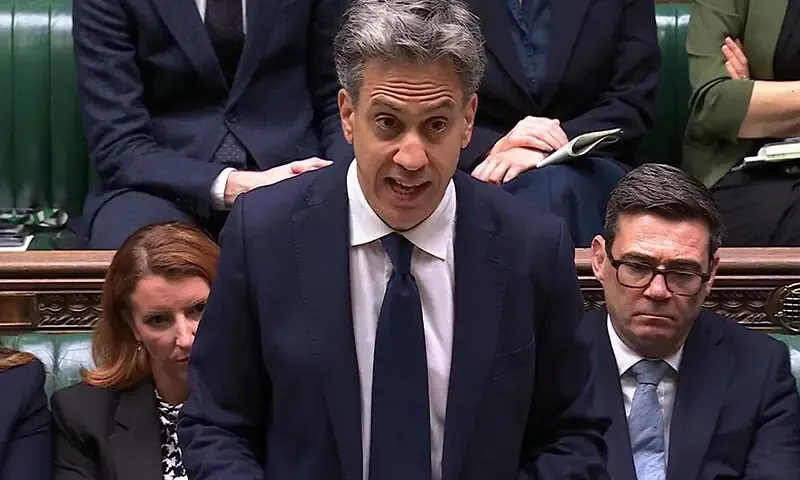
UK's Miliband announces sanctions on goods from West Bank over 'ethnic cleansing' by Israeli settlers
 International Politics