Trump Threatens 100% Tariff on Chinese Imports in Escalation of Trade War
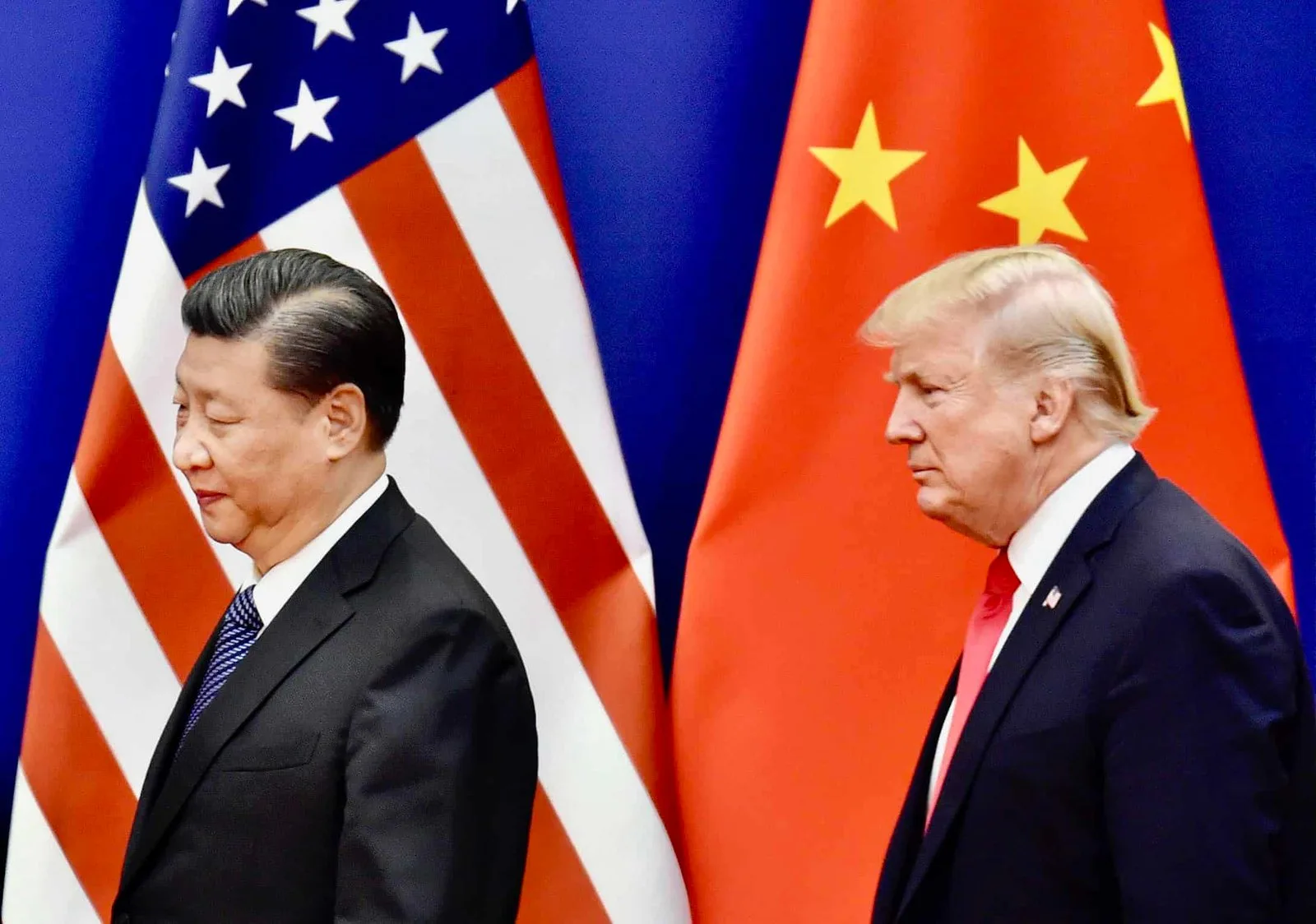
U.S. President Donald Trump announced an additional 100% tariff on imports from China, saying the measure will take effect from November 1, 2025 (or sooner, depending on China’s response). The announcement came amid a sharp deterioration in trade relations after Beijing introduced new export controls on strategic materials, and Trump said the tariff would be imposed on top of existing duties.
Trump also signaled plans to impose export controls on “critical U.S.-made software”, framing the combined tariff and export-control package as retaliation for China’s expanded restrictions on rare-earth and other strategic exports that affect high-tech and defense supply chains. He discussed the measures publicly and on social media, and said they were a response to what he described as an “extraordinarily aggressive” stance from Beijing.
Financial markets reacted swiftly to the announcement, reflecting investor concern about renewed trade escalation and global supply-chain disruption. Major U.S. indexes fell sharply on the news — the S&P 500 dropped about 2.7%, the Nasdaq fell more than 3%, and other indices registered notable declines as traders re-priced risk for technology and manufacturing sectors reliant on Chinese inputs. Analysts warned that a full-scale tariff of this magnitude, coupled with export controls, could raise costs for U.S. companies and accelerate supply-chain diversification or retaliation.
The move represents a dramatic escalation in U.S.–China trade tensions after a period of relative thaw earlier this year; observers say it increases the chance of retaliatory steps from Beijing and heightens uncertainty for multinational firms. Officials on both sides will likely eye diplomatic channels to limit damage, but for now, the announcement has tightened the outlook for global trade and technology investment.
Related stories
 Breaking
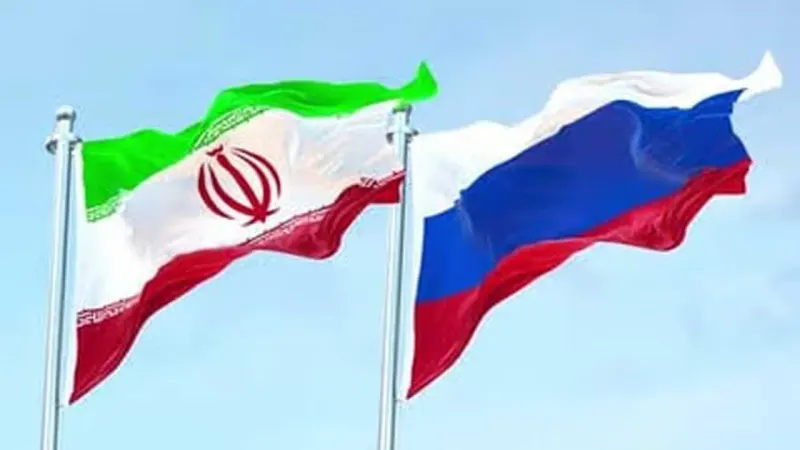
Russia, Iran Call for Diplomatic Solution to Crisis
 International Politics
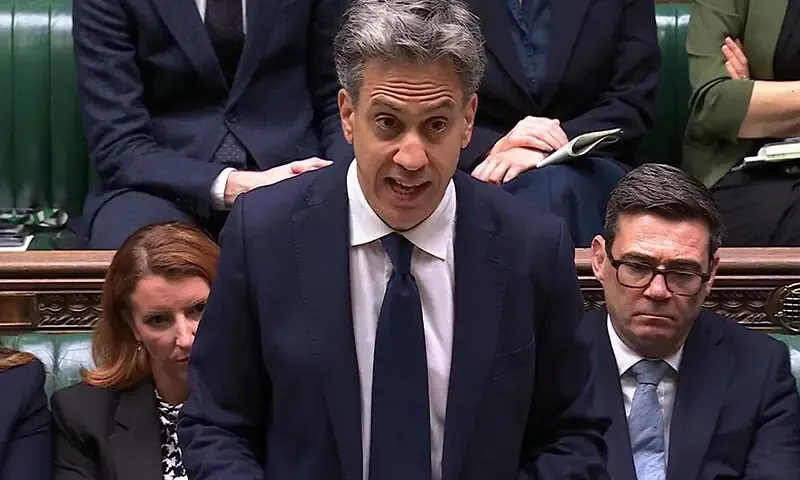
UK's Miliband announces sanctions on goods from West Bank over 'ethnic cleansing' by Israeli settlers
 International Politics