Trump Administration Proposes $1 Billion Fee for Membership on New 'Board of Peace'
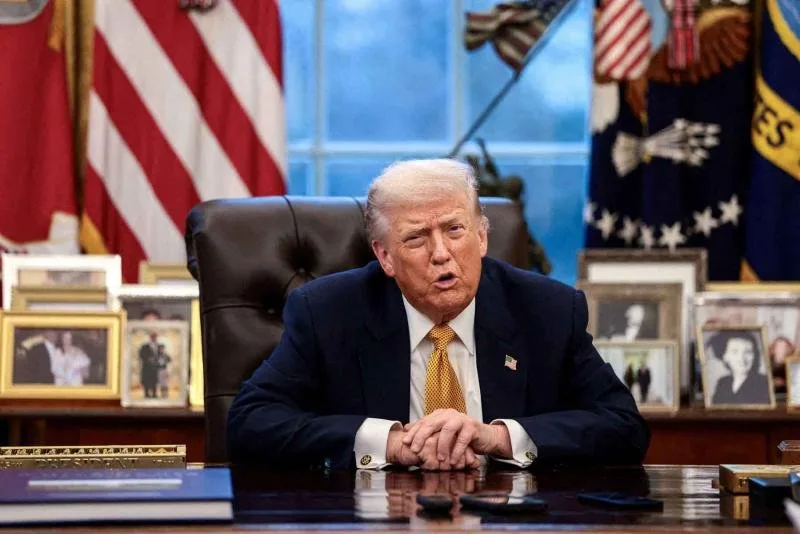
The Trump administration has introduced a proposal inviting countries to pay $1 billion for a permanent seat on a newly formed "Board of Peace," an international body aimed at resolving conflicts worldwide.
Board Composition and Membership Terms
According to reports, the White House has extended invitations to several world leaders, including Russian President Vladimir Putin, Hungarian Prime Minister Viktor Orban, and Canada's Mark Carney, to join the board. President Trump is set to chair the board personally.
Member states would be represented by their heads of state and could serve a term of three years. However, those contributing over $1 billion within the first year could extend their membership beyond this period, as outlined in the board’s draft charter.
Charter Details
- Standard membership term: up to three years, renewable by the chairman.
- Extended membership: available to states contributing over $1 billion in cash within the first year.
- Membership is by invitation only, with the chairman holding the power to remove members, subject to a two-thirds veto.
Purpose and Structure of the Board
Initially conceived to oversee the reconstruction of Gaza, the board’s mandate appears broader, aiming to promote stability, lawful governance, and lasting peace in regions affected or threatened by conflict.
The structure includes:
- A main board chaired by President Trump.
- A Palestinian committee of technocrats to govern Gaza.
- An executive board with an advisory role.
The charter emphasizes a willingness to move away from traditional international institutions, which it describes as having "too often failed." This stance aligns with President Trump’s recent criticisms of the United Nations and his announcement to withdraw the US from numerous global organizations and treaties.
International Reactions and Invitations
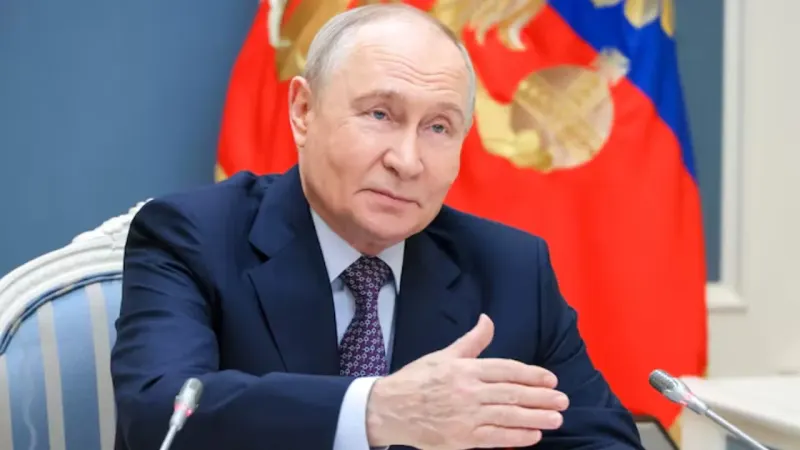
The White House reportedly sent invitations to dozens of world leaders, including Pakistan’s Prime Minister Shehbaz Sharif. Russia’s Kremlin spokesperson confirmed that President Putin received an invitation and is seeking clarification on the details.
Russia has historically maintained balanced relations in the Middle East but has shifted closer to Iran amid recent conflicts. Putin has previously praised Trump’s conflict resolution efforts, calling potential success a historic event.
Concerns and Objections
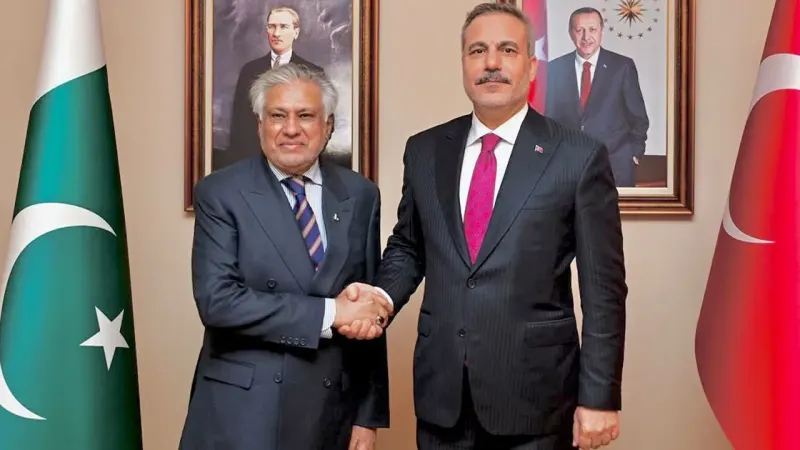
Israel has expressed objections to the proposed "Gaza executive board," which includes figures such as Turkey’s Foreign Minister Hakan Fidan and Qatari diplomat Ali Al-Thawadi.
Key Members Named
Besides President Trump, the board includes notable figures such as Secretary of State Marco Rubio, former British Prime Minister Tony Blair, and senior negotiators Jared Kushner and Steve Witkoff.
This initiative represents a new approach by the Trump administration to international peace efforts, emphasizing direct involvement and significant financial contributions from member states.
Related stories
 International
Russia Releases US Citizen Stephen Hubbard
 Middle East
Iran's Latest Warning Raises a Big Question: What Happens If It Is Attacked Again?
 International Politics
Trump Waives New Russia Sanctions; Moscow Hails Move
 Americas
Trump Rules Out Nuclear Strike on Iran; Tehran Urges Unity
 Middle East
Ishaq Dar, Turkish FM Discuss Gaza and OIC Meeting
 Middle East