State-Owned Entities’ Losses Surge by 300% to Rs123 Billion in FY2024-25
In the fiscal year 2024-25, losses incurred by Pakistan's state-owned enterprises (SOEs) skyrocketed to Rs123 billion, marking a dramatic increase of nearly 300% compared to Rs30.6 billion in the previous fiscal year. This sharp rise underscores a worsening financial health within the public sector entities, according to recent reports.
Major Contributors to Losses
The first half of FY2025 saw significant deficits from key SOEs, collectively amounting to Rs343 billion. Among the top contributors:
- National Highway Authority (NHA): Incurred a loss of Rs153.3 billion, pushing its accumulated deficit to Rs1,953.4 billion. The soaring loss is largely attributed to an unsustainable toll revenue system amid expansive road infrastructure projects.
- Quetta Electric Supply Company (QESCO): Reported losses of Rs58.1 billion, with accumulated losses reaching Rs770.6 billion.
- Sukkur Electric Power Company (SEPCO): Posted losses of Rs29.6 billion, bringing its total accumulated losses to Rs473 billion.
- Pakistan Railways: Experienced a loss of Rs26.5 billion, with accumulated losses nearing Rs6.7 billion.
- Peshawar Electric Supply Company (PESCO): Noted losses amounting to Rs19.7 billion, increasing its total accumulated losses to Rs684.9 billion.
- Pakistan Steel Mills (PSM): Added Rs15.6 billion to its losses, accumulating a total shortfall of Rs255.8 billion.
Additional Loss-Making Entities
Several other SOEs also contributed to the financial drain in FY2024-25:
- Pakistan Telecommunication Company Limited (PTCL): Posted Rs7.2 billion in losses, with accumulated losses of Rs43.6 billion.
- Pakistan Post: Recorded a Rs6.3 billion loss, accumulating Rs93.1 billion in total losses.
- Utility Stores Corporation: Lost Rs4.1 billion, with accumulated losses of Rs15.5 billion.
Power Generation Sector’s Financial Challenges
Power generation companies also faced substantial losses, notably the GENCOs (I-IV):
- GENCO-II (Guddu): Rs3.8 billion loss
- GENCO-III (Muzaffargarh): Rs3.1 billion loss
- GENCO-I (Jamshoro): Rs1.3 billion loss
The Neelum Jhelum Hydro Power Company reported a loss of Rs2.3 billion and has accumulated Rs58.2 billion in deficits.
Aggregate Financial Picture
“All other” loss-making SOEs added Rs2.7 billion to losses, collectively accumulating Rs1,285.96 billion in deficits. The total accumulated losses of more than 15 major state-owned entities amounted to Rs5,893.2 billion, pointing to systemic financial inefficiencies requiring urgent corrective actions.
Government and Cabinet Committee Review
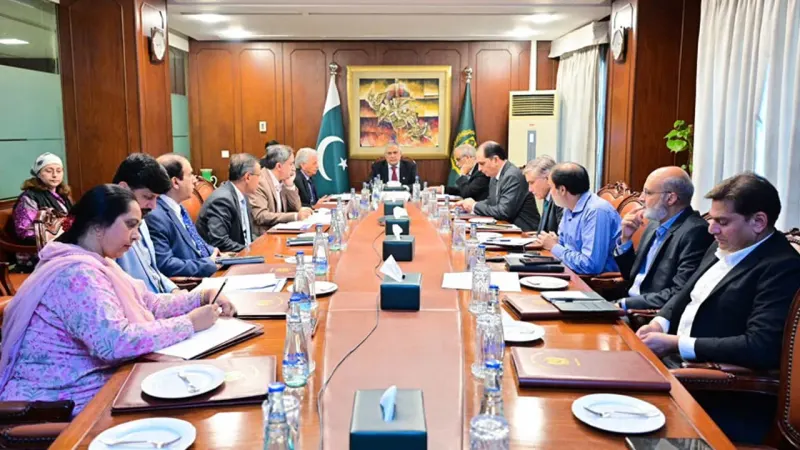
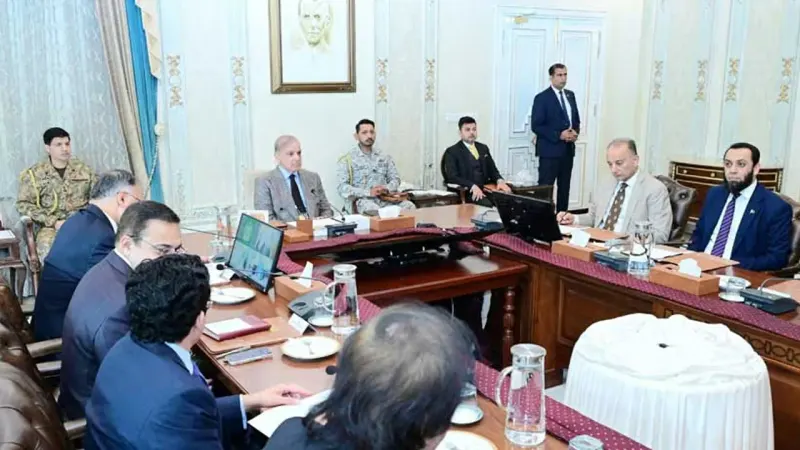
A meeting of the Cabinet Committee on State-Owned Enterprises (CCoSOEs), chaired by Federal Finance Minister Senator Muhammad Aurangzeb, was held recently to review the comprehensive Annual Consolidated Performance Report for FY2024-25. This report, prepared by the Central Monitoring Unit (CMU) of the Finance Division, provided a detailed evaluation of SOEs’ financial and operational conditions, government support, debt profiles, and governance frameworks.
Key Insights from the Report
- Aggregate revenue from SOEs was approximately Rs12.4 trillion for FY2024-25.
- Profitable SOEs saw a 13% decline in collective profits, falling from Rs820.7 billion to Rs709.9 billion, largely due to reduced margins in the oil sector following lower global prices.
- Losses among loss-making SOEs slightly improved, decreasing by around 2% to Rs832.8 billion.
- Government support increased to Rs2,078 billion, primarily fueled by higher equity injections aimed at reducing circular debt.
- Meanwhile, inflows from SOEs to the government rose to Rs2,119 billion, boosted by dividend payments, tax receipts, and interest income.
- Total SOE debt climbed to Rs9.57 trillion, comprising cash development loans, foreign re-lent loans, bank borrowings, and accrued interest obligations.
Outlook and Recommendations
The findings emphasize the critical need for structural reforms and robust turnaround strategies in SOEs to curb mounting losses and enhance operational efficiency. The Cabinet Committee continues to monitor progress and advocate for improved governance to restore fiscal health in these vital public sector entities.
Related stories
 Economy
Pakistan Shares Auto Policy 2026–31 Draft With IMF
 Economy
Aurangzeb, Fitch Discuss Pakistan’s Credit Outlook
 Economy
DPM Orders Strict Monitoring of Supply Chains and Prices
 Economy
IMF Raises Asia Growth Forecast, Flags Risks Ahead
 Economy
PM Directs Banks to Improve Housing, SME, Farm Lending
 Economy