Government Withdraws Ordinance After PPP Walkout in National Assembly
The federal government has withdrawn the Special Economic Zones (Amendment) Ordinance, 2026 following a walkout staged by the Pakistan Peoples Party (PPP) during a National Assembly session on January 12, 2026.
According to a statement from the Prime Minister’s Office (PMO), the president was advised to retract the ordinance in accordance with Article 89(2)(b) of the Constitution of Pakistan.
PPP Raises Concerns Over Ordinance Promulgation
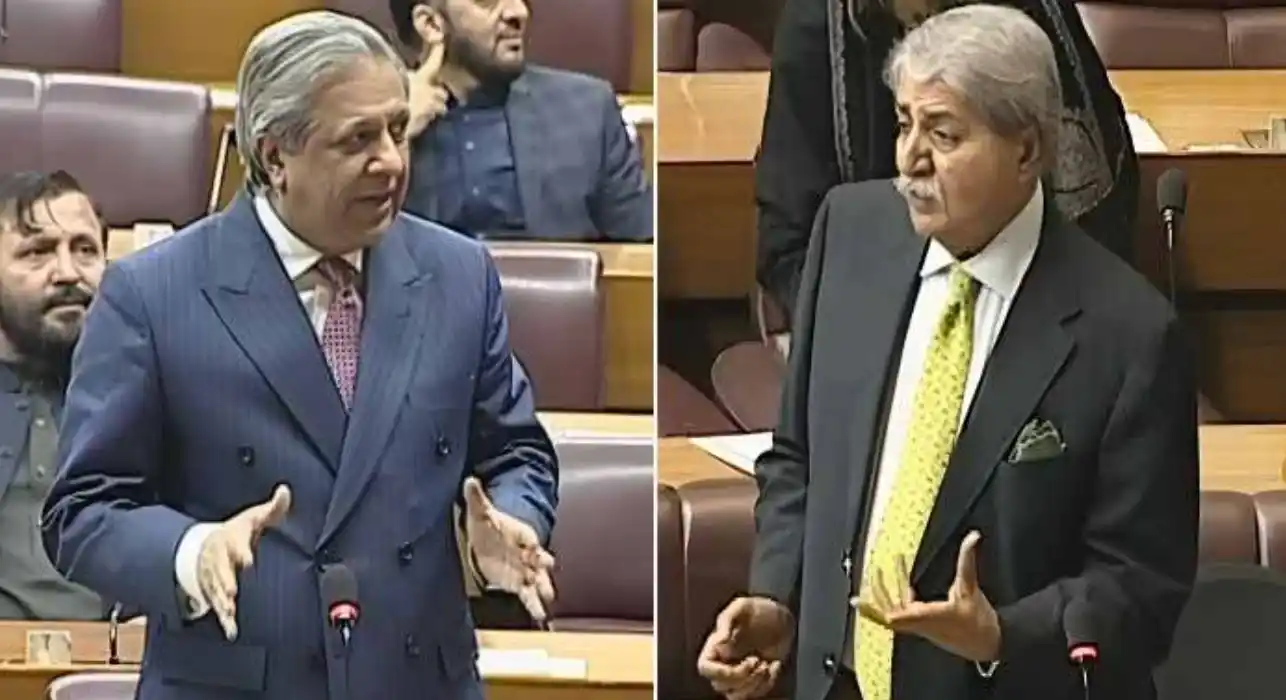
Earlier in the session, PPP Member of National Assembly (MNA) Naveed Qamar condemned the ordinance’s promulgation without the president’s signature, calling it unprecedented in Pakistan’s legislative history. He described the move as “shameful” and stated that such an act had never occurred, even during periods of martial law.
Qamar declared that under these circumstances, PPP could not participate in the parliamentary session and led a walkout with his party colleagues.
Following the walkout, PPP Chairman Bilawal Bhutto-Zardari convened a high-level meeting to address the party’s concerns regarding the ordinance.
Government Response and Legal Clarifications
Law Minister Azam Nazeer Tarar addressed the National Assembly, explaining that several bills and ordinances had been awaiting presidential assent. He noted that the president had recently granted approval to many of these, though some remained pending.
Tarar highlighted Article 75 of the Constitution, which states that bills passed during a joint sitting of Parliament are deemed assented to if the president does not act within ten days. However, he emphasized that the government had refrained from notifying any such bills out of respect for the president.
The law minister also mentioned ongoing consultations and promised to discuss the issue further with PPP representatives.
PPP Leaders Stress Constitutional Importance of Presidential Assent
PPP MNA Agha Rafiullah remarked that even during past martial law regimes, such as those of Ayub Khan, Zia-ul-Haq, and Pervez Musharraf, this type of action had not been taken. He expressed reservations about the ordinance and its procedural irregularities, calling the government’s move illegal and unconstitutional.
Former Prime Minister and PPP leader Raja Pervez Ashraf emphasized that an ordinance requires the president’s signature to be valid. Without it, the ordinance is unconstitutional and cannot be enforced. He expressed uncertainty about how the situation arose and anticipated further discussions to clarify the matter.
Opposition Leader Appointment Process Advances
Separately, National Assembly Speaker Ayaz Sadiq proceeded with the formalities for appointing the opposition leader, setting a Thursday deadline for official notification. PTI Chief Whip Amir Dogar confirmed that 75 members had supported Mahmood Khan Achakzai for the role.
The speaker also briefed members of PTI and PPP on the process during a meeting. This appointment follows the removal of previous opposition leaders Omar Ayub and Shibli Faraz due to convictions related to the May 9 cases.