Sindh Adopts New Grading System for Matric and Intermediate Exams
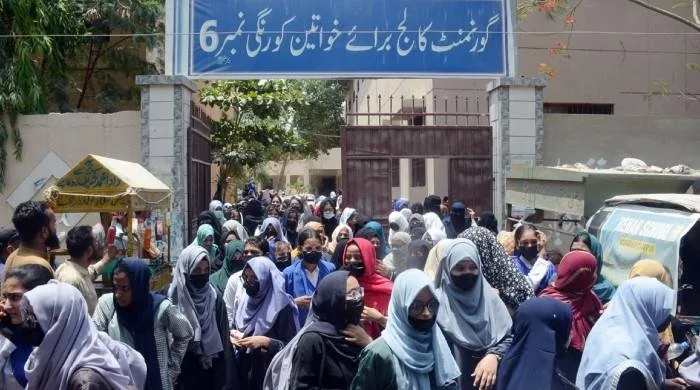
The Sindh government has announced the adoption of a new grading system for matriculation and intermediate examinations across the province's education boards. This reform aims to bring uniformity to the evaluation process nationwide.
Transition from Marks to Grades
Universities and Boards Minister Ismail Rahoo confirmed that the traditional marks-based system will be replaced by a modern grading framework, consistent with the Inter Boards Coordination Commission (IBCC) guidelines. The government plans to introduce a Grade Point Average (GPA) system once the grading framework is fully established.
Implementation Timeline and Policy Details
The decision follows IBCC's approval of the grading system during its meeting in August of the previous year. The Federal Board of Intermediate and Secondary Education (FBISE) announced a revised grading formula in October, which will be implemented starting with the First Annual Examinations 2026 for SSC-I and HSSC-I, and from 2027 for SSC-II and HSSC-II.
Grading Scale and Passing Criteria
- Students will be assessed on grades instead of numerical marks.
- The minimum passing mark is set at 40%; scores below this will be marked as 'U' (ungraded).
- Students who do not meet the passing criteria may reappear in exams, subject to other conditions.
Grade Distribution
- 96%-100%: A++ (Extraordinary)
- 91%-95%: A+ (Exceptional)
- 86%-90%: A (Outstanding)
- 81%-85%: B++ (Excellent)
- 76%-80%: B+ (Very Good)
- 71%-75%: B (Good)
- 61%-70%: C+ (Fairly Good)
- 51%-60%: C (Above Average)
- 40%-50%: D (Emerging)
This new grading approach is designed to standardize academic assessments across Pakistan's education boards, facilitating a more consistent and modern evaluation system for students.
Related stories
 Breaking
BISE Sahiwal 11th Class Result 2026 Announced: How to Check
 Education
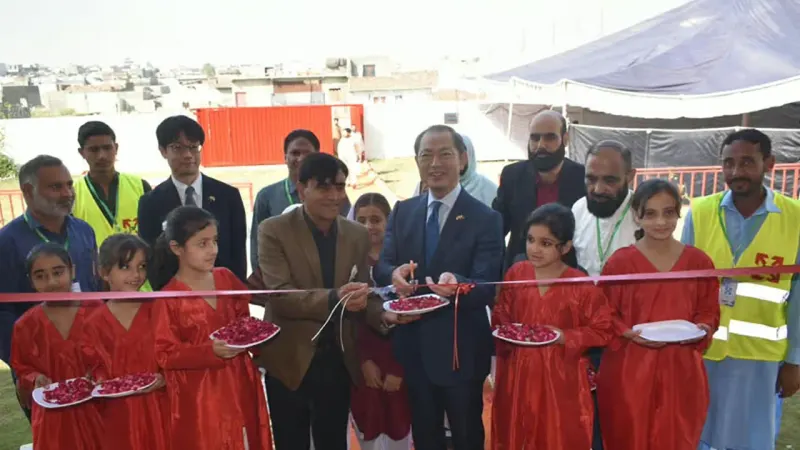
Japan-Funded Girls’ Primary School Opens in Islamabad
 Education
4,000 Free AI Subscriptions for Pakistan: How Students and Teachers Could Benefit
 Education
LHC Orders MDCAT Question Papers, Codes Be Kept Online
 Education
Peshawar School Collapse: Police Report Submitted to CCPO
 Education