SBP, IFC partner to boost local currency financing
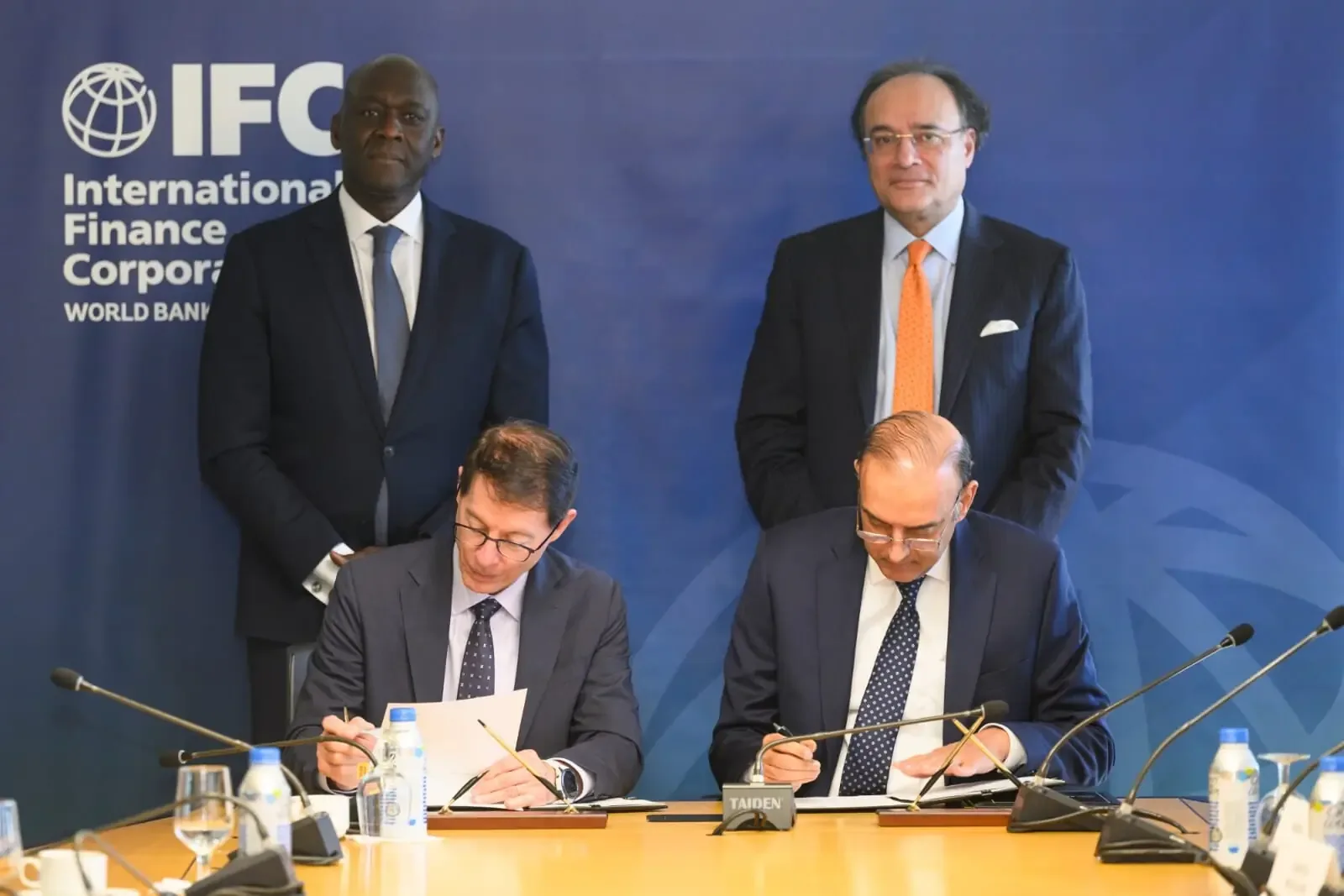
ISLAMABAD: The State Bank of Pakistan (SBP) has entered into a landmark agreement with the International Finance Corporation (IFC) — a member of the World Bank Group — aimed at strengthening local currency financing and supporting private sector growth in Pakistan, the central bank announced on Monday.
According to the SBP’s press release, the partnership was formalized under the International Swaps and Derivatives Association (ISDA) framework, allowing the IFC to manage currency risks more effectively while expanding its investments in Pakistani rupees.
The move comes as Pakistan seeks to bolster economic stability and attract foreign investment by reducing exposure to exchange rate volatility, which has long affected companies borrowing in foreign currencies.
Reducing Exchange Rate Risks
The World Bank has emphasized that borrowing in foreign currencies — such as the US dollar — exposes clients in developing economies to significant financial risks when local currencies depreciate.
By converting debt obligations into local currency, borrowers can avoid sudden increases in repayment costs and maintain financial stability.
The SBP said this collaboration would help “unlock financing for critical sectors of the economy and create jobs across the country.”
SBP and IFC Leaders on Strengthening Private Sector
SBP Governor Jameel Ahmad described the partnership as a “significant step” toward Pakistan’s sustainable economic development.
“Promoting private sector growth is paramount to the successful and sustainable economic development of the country,” Ahmad stated, adding that the initiative would help enhance financing opportunities for businesses.
Meanwhile, John Gandolfo, IFC Vice President and Treasurer for Treasury and Mobilisation, said that in the face of global currency volatility, access to local currency financing has never been more important.
He highlighted that promoting such financing is a strategic priority for the World Bank Group, serving as a catalyst for long-term economic resilience in Pakistan.
Supporting Economic Resilience
The SBP noted that exchange rate fluctuations remain one of the biggest challenges for developing economies that borrow in foreign currencies but earn revenue in their own local currencies.
This agreement will allow the IFC to use innovative financial instruments to strengthen local financing mechanisms and enhance foreign exchange liquidity in Pakistan.
“The IFC is committed to leveraging innovative financial instruments and strengthening partnerships to address the growing need for local currency financing in emerging markets,” the SBP statement said.
Context: Strengthened Cooperation Following IMF and IFC Talks
The development follows Finance Minister Muhammad Aurangzeb’s visit to Washington, where he discussed private sector investment, infrastructure financing, and development cooperation with senior IFC and Islamic Development Bank (IsDB) officials.
During his meeting with Riccardo Puliti, IFC Regional Vice President, the minister underscored Pakistan’s improving macroeconomic indicators and called for an expanded IFC role in private sector investment under the 10-year Country Partnership Framework.
Both sides also discussed the early financial closure of the Reko Diq project, while the minister welcomed IFC’s decision to open a regional office in Islamabad, describing it as a significant step to deepen collaboration and promote sustainable investment in Pakistan.
Related stories
 Economy
Aurangzeb, Fitch Discuss Pakistan’s Credit Outlook
 Economy
DPM Orders Strict Monitoring of Supply Chains and Prices
 Business
Pakistan to Chair World Bank, IMF Boards in 2027
 Business
Aurangzeb Reaffirms Commitment to Completing IMF Programme
 Economy
IMF Raises Asia Growth Forecast, Flags Risks Ahead
 Economy