SBP Flags Low Savings, Fiscal Strains as Key Growth Risks
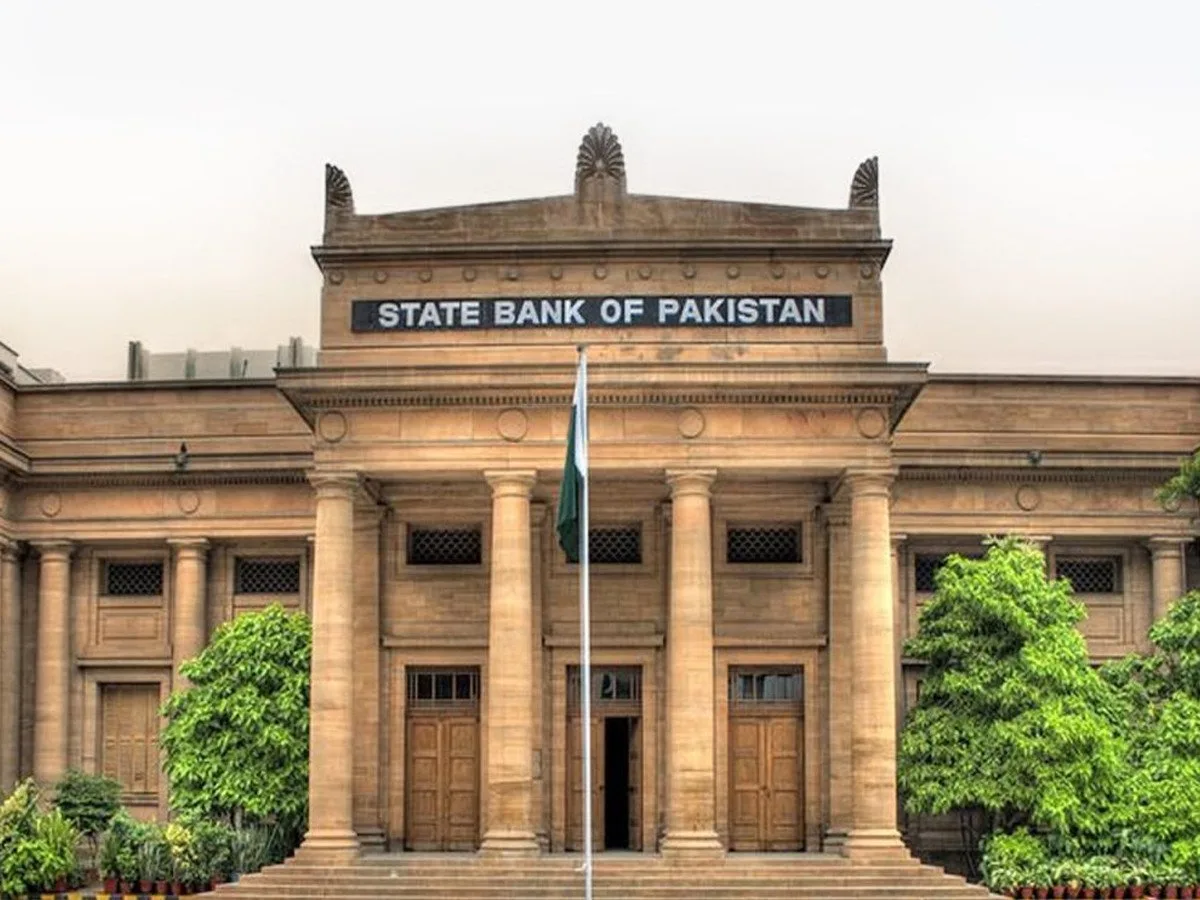
The State Bank of Pakistan (SBP), in its Annual Report on the State of the Economy 2024-25, has cautioned that persistent fiscal imbalances, low domestic savings, weak productivity, and climate-related shocks continue to undermine Pakistan’s path to sustainable growth.
According to the report, GDP growth for FY26 is projected at 3.25–4.25%, hovering near the lower end of the forecast range, while inflation is expected to stay between 5–7%. The current account deficit is forecasted at 0–1% of GDP, suggesting temporary stability in the external sector. However, the central bank warned that flood-induced agricultural losses, high energy costs, and global trade uncertainties could offset these gains.
Floods and Fiscal Strain
The SBP highlighted that recent floods in Punjab and Khyber-Pakhtunkhwa submerged vast farmlands, damaging major kharif crops such as rice, cotton, maize, and sugarcane. These losses are expected to disrupt supply chains, drive up inflation, and weaken the agro-industrial sector. While increased reconstruction efforts may support short-term growth, they could further strain fiscal space already pressured by heavy debt repayments.
Savings Crisis and Consumption-Driven Growth
A key concern raised by the SBP is Pakistan’s declining domestic savings rate, which now stands among the lowest in comparable economies. The report attributes this to low per capita income, persistent inflation, fiscal deficits, and weak financial intermediation.
With consumption accounting for nearly 92% of GDP, Pakistan’s growth model relies heavily on foreign borrowing and remittances, generating short-term spurts of activity but failing to support sustained development. “Pakistan’s economy remains predominantly consumption-oriented, with potential GDP growth declining steadily over the last two decades,” the report notes.
This imbalance has widened the savings-investment gap, creating a “debt spiral” where revenues barely cover current expenditures. Interest payments have repeatedly exceeded development spending, leaving little for education, health, and infrastructure. The inefficiencies of state-owned enterprises (SOEs) continue to drain fiscal resources, further weakening public finances.
Financial Sector Limitations
The SBP also underscored weaknesses in financial intermediation, with the banking sector heavily burdened by government borrowing and low deposit mobilisation. This limits credit availability for private enterprises, while capital markets remain shallow and investor participation limited. Despite reforms, the Pakistan Stock Exchange remains concentrated in a few brokerage houses, hampering market confidence.
Moreover, a large portion of the population remains outside the formal financial system, relying instead on informal savings such as gold, real estate, livestock, and ROSCAs (rotating savings committees). Religious concerns about interest-based banking and low financial literacy exacerbate the issue. In the SBP’s 2025 financial inclusion survey, 35% of respondents said they preferred informal saving channels.
Consequently, Pakistan’s private-sector credit and deposit-to-GDP ratios remain well below those of regional peers like Malaysia, Turkey, and Bangladesh. The SBP warns that unless financial inclusion and capital market development are prioritized, domestic savings will remain too weak to sustain long-term economic growth.
Structural and Sectoral Vulnerabilities
The report urges diversification in industrial capacity, calling for greater investment in petrochemicals, mining, and renewable energy. Pakistan’s dependence on imported inputs and fossil fuels continues to expose the economy to external shocks, currency volatility, and balance-of-payments pressures.
In agriculture, low productivity and climate-related disasters remain critical challenges. The SBP recommends modernizing irrigation systems, constructing small and medium dams, and promoting climate-resilient crop varieties to ensure food security and protect against future floods.
Trade competitiveness also faces structural barriers — non-tariff restrictions, limited product diversification, and reliance on low-value textile exports. The SBP emphasizes expanding export reforms to include logistical and regulatory improvements that attract foreign investment and integrate industries into global value chains.
Human Capital and Demographic Pressures
The report links Pakistan’s sluggish productivity to social and demographic constraints. With 65% of the population under 30, the country faces a high youth dependency ratio and limited job creation opportunities, which fuel consumption-driven demand and strain public services.
Persistent poverty (around 44%), coupled with underinvestment in education and health, undermines productivity and suppresses savings capacity. The SBP stresses that human capital development must become a national priority, warning that without substantial investment in vocational training, technology, and innovation, Pakistan risks lagging behind regional economies transitioning toward knowledge-based growth models.
Related stories
 Energy
Rs3,600 Billion Mystery: How Pakistan Plans to Wipe Out Its Biggest Gas Debt in Just 3 Years
· 2 min read Economy
KP Governor Highlights Province's Untapped Mineral Wealth for National Growth
· 4 min read Energy
Pakistan's mineral wealth offers major opportunities for investment: Jam
 Currency
Overseas Pakistanis Send Record $7.3 Billion in Remittances Over Two Months
· 3 min read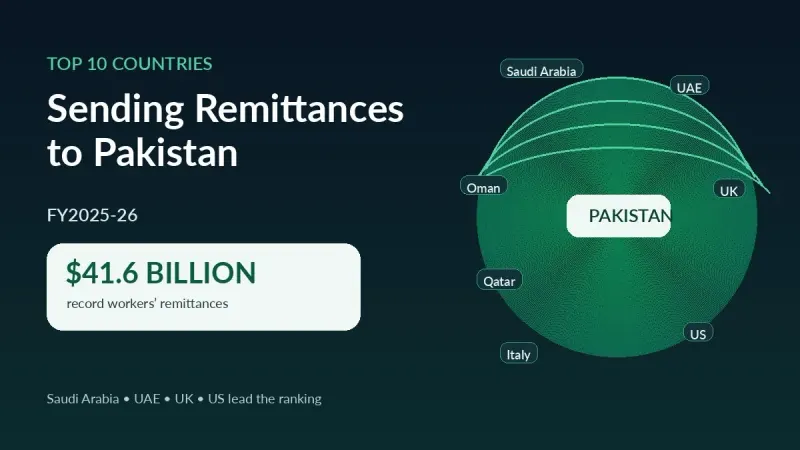 Economy
Top 10 Countries Sending Remittances to Pakistan in 2026
· 7 min read Economy