• Download the Constitution of Pakistan
  • Advertise
Friday, December 5, 2025
  • Login
NEWSLETTER
ECONOMY
  • Business
  • Education
  • Entertainment
  • Finance
  • Health
  • Life & Style
  • Politics
  • Sports
  • Technology
No Result
View All Result
  • Business
  • Education
  • Entertainment
  • Finance
  • Health
  • Life & Style
  • Politics
  • Sports
  • Technology
No Result
View All Result
ECONOMY
No Result
View All Result
Home Economy

Pakistan’s Public Debt Hits Rs74 Trillion – Economic Challenges Ahead

by Anum Arif
March 29, 2025
in Economy, Finance
Reading Time: 3 mins read
0
DEBT

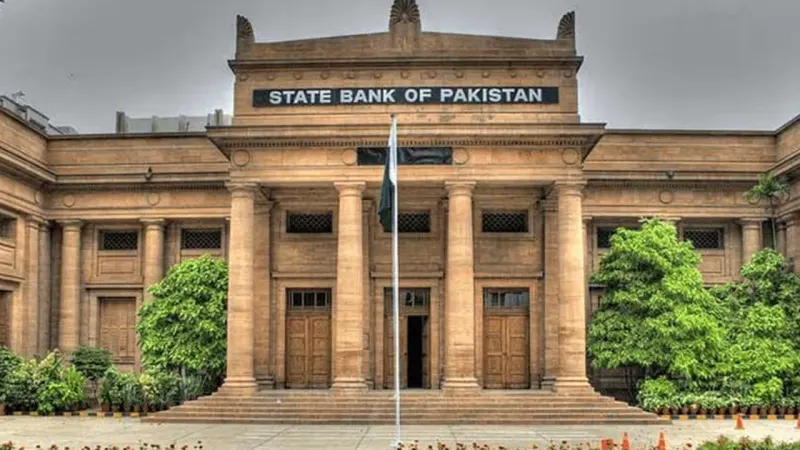
Pakistan’s domestic debt hits an all-time high of Rs54.47 trillion, reflecting mounting fiscal pressures and growing reliance on internal borrowing.

Share on FacebookShare on TwitterLinkedinWhatsapp

Pakistan’s Public Debt Reaches Rs74 Trillion as Government Meets IMF Condition

The Ministry of Finance has fulfilled another condition set by the International Monetary Fund (IMF) by releasing the semi-annual report on public debt for the fiscal year 2024-25. The report provides a detailed overview of Pakistan’s debt structure, interest payments, fiscal deficit, and economic performance during the July-December 2024 period.

Key Highlights from the Report:

1. Rising Public Debt:

Pakistan’s total public debt surged to Rs74 trillion by December 2024, reflecting an increase of Rs2,767 billion in just six months. This growth in debt continues to be a major concern for the country’s financial stability.

  • Domestic Debt: Rs49,883 billion (67.4% of total debt)
  • External Debt: Rs24,130 billion (32.6% of total debt)

Between July and December 2024, domestic debt rose by Rs2,723 billion, whereas external debt increased by Rs44 billion.

2. Interest Payments & Debt Maturity Period:

The government spent Rs5,142 billion on interest payments, with a significant 90% of the interest payments made on domestic debt.

  • Domestic Loan Maturity: Improved from 2.9 years to 3.4 years
  • External Loan Maturity: Remained unchanged at 6.2 years

3. Fiscal Deficit & Borrowing:

Pakistan recorded a fiscal deficit of Rs1,538 billion, which was primarily financed through domestic borrowing.

To secure medium- and long-term funding, the government issued Pakistan Investment Bonds and Ijarah Sukuk, offering financial instruments to investors.

4. Savings Through Buybacks:

The government launched the Government Securities Buyback & Exchange Program, which led to savings of Rs31 billion through the buyback of Rs1,000 billion in securities.

5. Economic Improvements:

The report highlights signs of economic stability and improvement, with a reduction in key financial pressures:

  • Inflation Rate: Averaged 7.2% during the six-month period
  • Primary Balance: Recorded a Rs3,604 billion surplus
  • Exchange Rate Stability: No significant depreciation of the Pakistani Rupee
  • Decline in Fiscal & Current Account Deficit

Conclusion:

Pakistan’s growing debt burden remains a major challenge despite improvements in key economic indicators. The government continues to rely on domestic borrowing and interest payments remain substantial. However, the IMF-mandated reforms and debt restructuring strategies aim to ensure greater financial discipline in the coming months.

Tags: Debt ManagementDomestic DebtEconomic stabilityexternal debtFiscal DeficitIMF loanInflation RateInterest Paymentspakistan economyPakistan FinancePublic Debt

Anum Arif

Related Posts

PM Shehbaz Tariff

PM Shehbaz Pushes National Tariff Policy Implementation

by Anum Arif
December 3, 2025
0

Prime Minister Shehbaz Sharif has directed the full implementation of Pakistan’s National Tariff Policy, describing it as a “revolutionary step”...

PPL

PPL Finalises Major Offshore Energy Partnership with Türkiye

by Anum Arif
December 3, 2025
0

Pakistan Petroleum Limited (PPL) has officially finalised the Assignment Agreement for the Eastern Offshore Indus Block C, marking a significant...

Pak and Turkey

Pakistan Eyes Turkish Role in Discos’ Privatisation

by Anum Arif
December 3, 2025
0

Pakistan has invited reputable international private-sector investors—especially those from Turkiye—to participate in the upcoming privatisation of its Power Distribution Companies...

inflation in november

Inflation in Pakistan Rises to 6.1% in November 2025

by Hassan Mustafa Bajwa
December 1, 2025
0

Pakistan’s headline inflation climbed to 6.1% year-on-year in November 2025, according to fresh data from the Pakistan Bureau of Statistics...

Petrol 2025

Petrol, Diesel Prices Likely to Drop from Dec 1

by Anum Arif
November 28, 2025
0

The government is likely to cut petroleum product prices from December 1, 2025, thanks to a continued decline in global...

Pak and Kuwait

Pakistan, Kuwait Reaffirm Strong Energy Partnership

by Anum Arif
November 27, 2025
0

Pakistan and Kuwait have reaffirmed their commitment to strengthening cooperation in the petroleum and energy sectors, following a high-level meeting...

Next Post
SAR to PKR

Saudi Riyal to PKR Rate Today

Leave a Reply Cancel reply

Your email address will not be published. Required fields are marked *

About Us

Economy.pk is a source of economic, political, business, finance, health and sports updates.

Important Categories

  • Business
  • Education
  • Entertainment
  • Finance
  • Health
  • Life & Style
  • Politics
  • Sports
  • Technology

Social Media

  • Facebook
  • Instagram
  • Twitter
  • Linkedin
  • YouTube
  • Linkedin
  • TikTok
  • WhatsApp
  • About
  • Advertise
  • Careers
  • Contact

© 2024 Economy.pk - Web Development by Digital Otters

Welcome Back!

Login to your account below

Forgotten Password?

Retrieve your password

Please enter your username or email address to reset your password.

Log In
No Result
View All Result
  • Business
  • Education
  • Entertainment
  • Finance
  • Health
  • Life & Style
  • Politics
  • Sports
  • Technology

© 2024 Economy.pk - Web Development by Digital Otters