Pakistan’s Passport Ranks 103rd, Visa-Free in 31 Countries
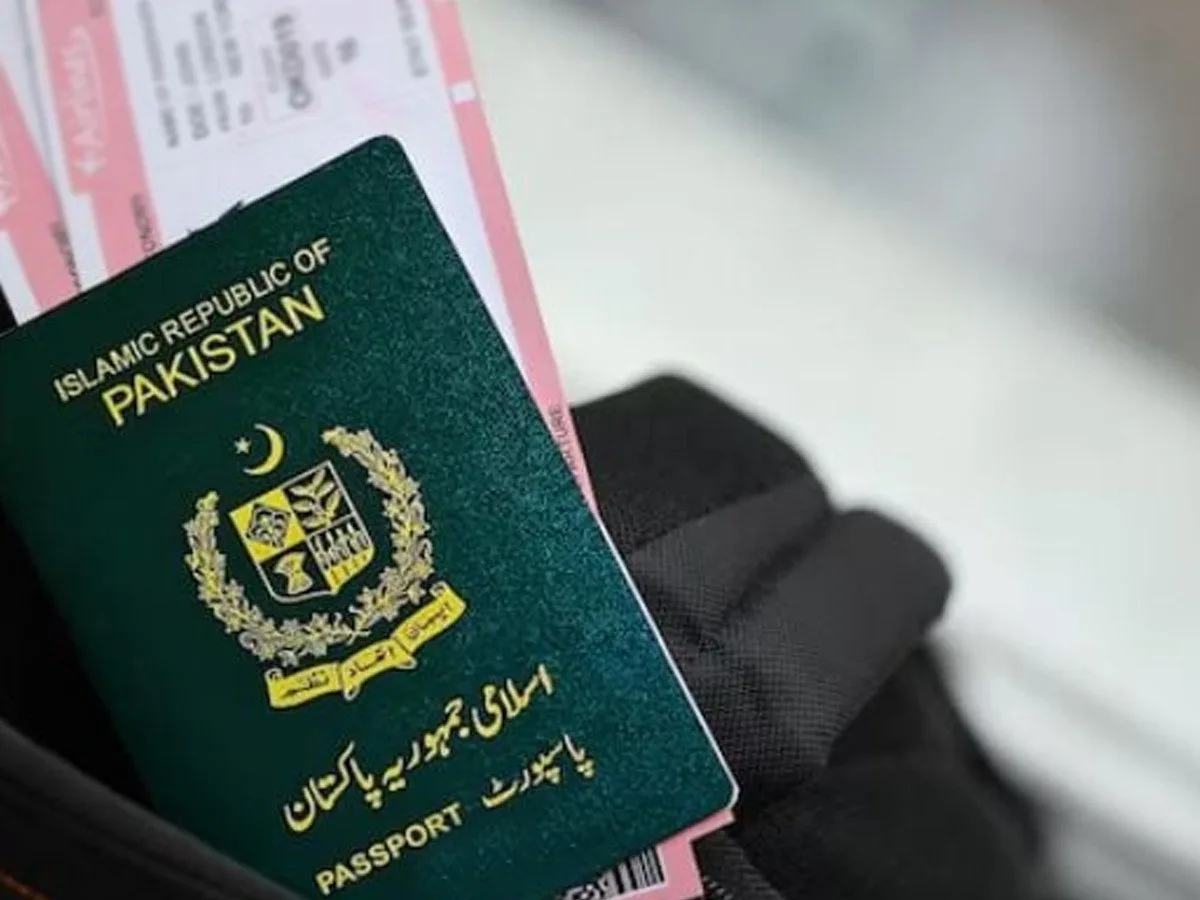
In the latest Henley Passport Index report, Pakistan’s passport has been ranked 103rd in the world, marking a decline from its previous ranking of 96. The ranking places Pakistan on par with Yemen, with both countries granting their citizens visa-free access to 31 destinations worldwide.
According to Gulf News, the latest data indicates that Pakistani passport holders can travel visa-free or with visa-on-arrival to a limited number of countries, reflecting ongoing challenges in global mobility for Pakistani nationals. Last year, Pakistan’s passport provided access to 32 destinations, underscoring a gradual reduction in international travel privileges.
Countries Offering Visa-Free or Visa-on-Arrival Access to Pakistanis
Pakistani passport holders can currently travel to the following 31 countries and territories without a visa or by obtaining a visa on arrival:
- Barbados
- Burundi
- Cambodia
- Cape Verde Islands
- Comoros Islands
- Cook Islands
- Djibouti
- Dominica
- Guinea-Bissau
- Haiti
- Kenya
- Madagascar
- Maldives
- Micronesia
- Montserrat
- Mozambique
- Nepal
- Niue
- Palau
- Qatar
- Rwanda
- Samoa
- Senegal
- Seychelles
- Sierra Leone
- Sri Lanka
- Saint Vincent and the Grenadines
- Timor-Leste
- Trinidad and Tobago
- Tuvalu
- Vanuatu
Global Passport Rankings
The 2025 Henley Passport Index ranks Singapore as the world’s most powerful passport, offering visa-free access to 193 destinations. South Korea and Japan also continue to hold strong positions near the top of the list.
Meanwhile, the United States, with visa-free access to 180 countries, has dropped out of the top 10 for the first time, reflecting shifting global travel dynamics.
At the lower end of the index, Iraq (104th), Syria (105th), and Afghanistan (106th) continue to occupy the bottom ranks, with extremely limited visa-free access.
Significance for Pakistan
Analysts note that Pakistan’s declining passport ranking underscores broader diplomatic and security-related challenges that continue to restrict its global mobility. Strengthening bilateral agreements, improving diplomatic relations, and ensuring economic stability are seen as critical steps toward improving Pakistan’s international standing in future rankings.
Related stories
 Travel
Lahore Starts Daily Digital Traffic Compliance Survey
 Travel
Pakistan Embassy in Qatar to Launch E-Passport Services From October 15; MRP Applications to Stop
 Travel
Updated Train Timings at Lahore: Jaffar Express, Allama Iqbal Express, Tezgam and Green Line Delayed
 Travel
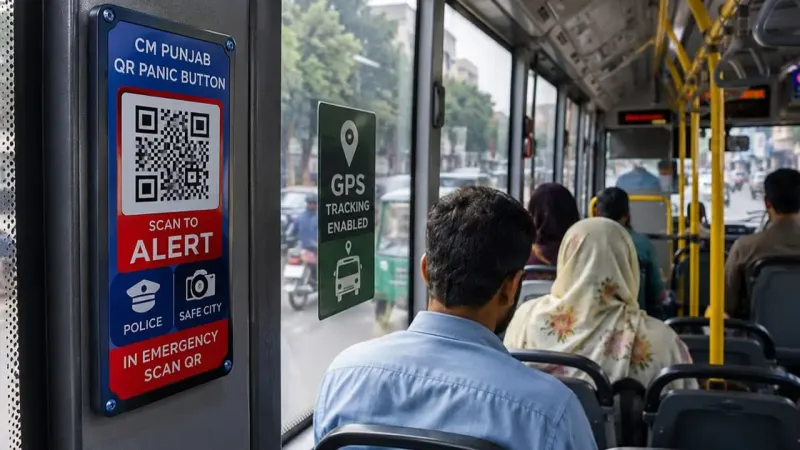
Over 82,000 QR “Pink Buttons” Installed on Public Transport in Punjab for Passenger Safety
 Travel
Aleem Khan Orders 100% Safety Features on Highways, Feasibility Study for 123-km Mansehra-Naran Project
 Travel