Pakistan's Foreign Office Advises Against Non-Essential Travel to Iran Amid Escalating Unrest
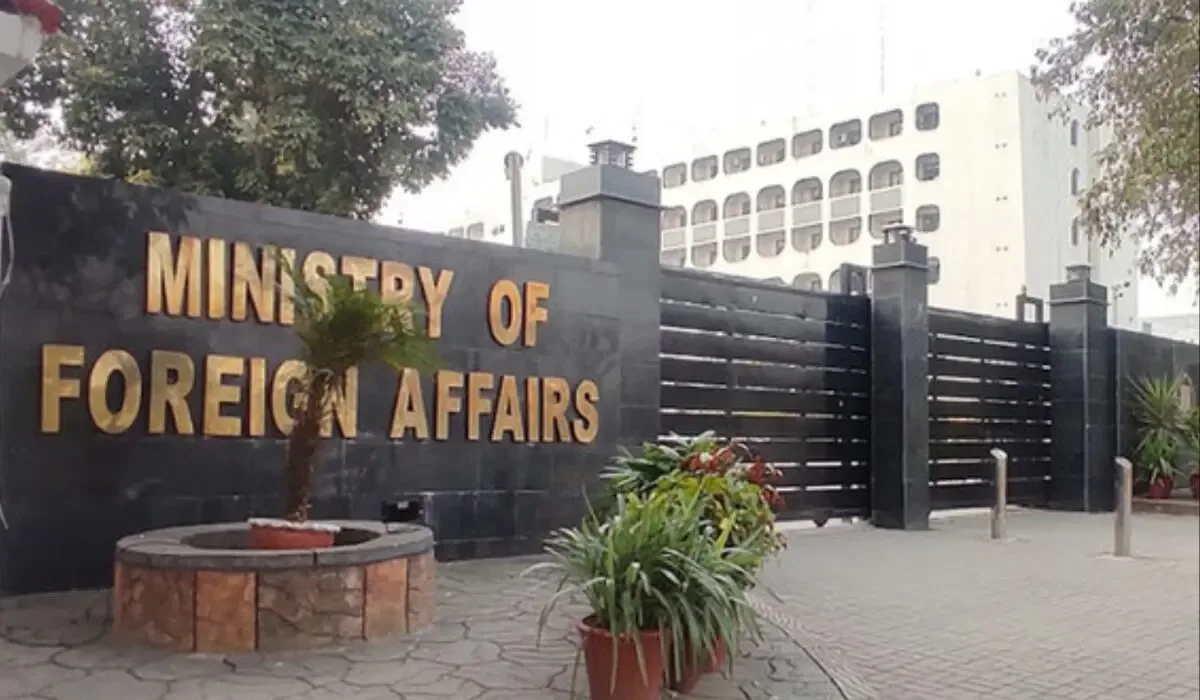
On January 10, 2026, Pakistan's Foreign Office (FO) issued a travel advisory cautioning its citizens to avoid all non-essential travel to Iran due to widespread unrest in the neighboring country.
Travel Advisory Details
The advisory urges Pakistani nationals to prioritize their safety by postponing any unnecessary trips to Iran until the security situation stabilizes. For those currently residing in Iran, the FO emphasized staying alert, limiting travel, and maintaining regular communication with Pakistani diplomatic missions located in Tehran, Zahedan, and Mashhad.
- Tehran Embassy Contacts: +98-21-66-9413-88/89/90/91, +98-21-66-9448-88/90, +98 910 764 8298
- Zahedan Embassy Contacts: +98 54 33 22 3389, +989046145412
- Mashhad Embassy Contacts: +98 910 762 5302, +98 937 180 7175
Background of Unrest in Iran
Protests have rippled across Iran for nearly two weeks, ignited by widespread dissatisfaction with the rising cost of living. These demonstrations have prompted Iranian authorities to implement severe internet restrictions in an attempt to curb communication among protestors.
According to the Iranian human rights organization HRANA, there have been at least 62 fatalities recorded since the protests began on December 28, 2025. This includes 14 security personnel and 48 demonstrators.
International Responses and Developments
At the beginning of January, former U.S. President Donald Trump warned that the United States was prepared to respond if Iranian security forces harmed protestors. In his first remarks on the escalating crisis, Iran's Supreme Leader Ali Khamenei labeled the demonstrators as “vandals” and “saboteurs.”
During a televised address, Khamenei criticized Trump, accusing him of being responsible for the deaths of over a thousand Iranians—referencing the Israeli strikes supported by the United States in the June conflict with Iran. He predicted that Trump would meet a downfall similar to Iran’s pre-revolutionary monarchy.
Trump responded by reiterating a strict warning against violence, stating: "You better not start shooting because we’ll start shooting too." He also expressed concern for the safety of Iranian protestors given the volatile conditions.
Pakistan’s Position
Earlier this week, a spokesperson from Pakistan’s Foreign Office communicated Islamabad’s stance on the unrest, firmly opposing any foreign interference in Iran’s internal matters. Pakistan views the upheaval strictly as an internal issue and disapproves of external pressures or aggression.
The spokesperson emphasized Pakistan's reluctance to comment extensively on Iran’s domestic developments, reaffirming the country's respect for sovereignty and non-intervention.
Summary
- Pakistan's FO advises avoiding unnecessary travel to Iran amid ongoing protests.
- Pakistani residents in Iran should remain vigilant and maintain contact with local embassies.
- Iran faces widespread protests driven by economic grievances.
- International figures have made strong statements regarding the situation, increasing geopolitical tension.
- Pakistan maintains a neutral position, opposing foreign interference and emphasizing respect for internal sovereignty.
Related stories
 Pakistan
Colourful Dancing Fountain Installed at Lahore’s Azadi Square
 Pakistan
CM Maryam Nawaz: Punjab Taking Concrete Steps Against Poverty
 Middle East
Iran Backs Makkah Defence Pact, Ready to Join Unity Efforts
 Middle East
Reports Allege Iran Aids Houthi Attacks on Saudi Arabia
 Pakistan
No Room for War in Nuclear Environment: Gen Aamer Raza
 Pakistan