Pakistan, Afghanistan hold third round of Istanbul talks

ISLAMABAD: Pakistan and the Afghan Taliban regime commenced the third round of peace talks in Istanbul on Thursday, continuing diplomatic efforts to reduce escalating tensions along the Pak-Afghan border following recent deadly clashes.
The latest round follows earlier discussions in October, including a five-day session in Istanbul that ended in an interim agreement to uphold a ceasefire between both sides.
According to diplomatic sources, the second round of talks, held between October 25 and 31 in Istanbul, initially collapsed when Pakistan rejected the Taliban delegation’s “illogical” stance and refusal to address Islamabad’s concerns about cross-border terrorism. However, mediation efforts—led by Turkiye and supported by Qatar—helped revive the dialogue, culminating in an agreement to maintain the ceasefire and establish a monitoring and verification mechanism to penalize violations.
A joint statement from the Turkish Foreign Ministry confirmed that all parties had agreed to the mechanism, ensuring peace along the border and accountability for any breaches.
Speaking to journalists prior to the talks, Defence Minister Khawaja Muhammad Asif confirmed that a Pakistani delegation had departed to resume discussions with the Taliban representatives. “Afghanistan should act wisely for peace in the region. If there is no progress, then such talks are merely a waste of time,” he remarked.
Earlier this week, DG ISPR Lt General Ahmed Sharif cautioned that any external aggression would be met with a “firm and severe” response. He also revealed that Pakistan had eliminated several cross-border militants—many identified as Afghan nationals—and accused elements within Afghanistan of providing safe havens to terrorist groups and using civilian areas as shields.
The tensions stem from escalating terror attacks in Khyber Pakhtunkhwa and Balochistan, which Pakistan attributes to militants operating from Afghan soil. Despite Islamabad’s repeated calls for action, the Taliban regime has largely ignored Pakistan’s demands, instead engaging in unprovoked border firing on October 12 that left 23 Pakistani soldiers martyred.
In retaliation, Pakistan’s armed forces carried out targeted strikes inside Afghanistan, including in Kabul, killing over 200 Taliban fighters and destroying several hideouts.
Following these hostilities, both sides agreed to a temporary ceasefire on October 17, brokered through Qatari mediation in Doha. The Istanbul meetings—now in their third phase—represent a continued attempt to stabilize relations, with regional powers closely monitoring the outcomes as both nations seek to prevent further escalation.
Related stories
 International
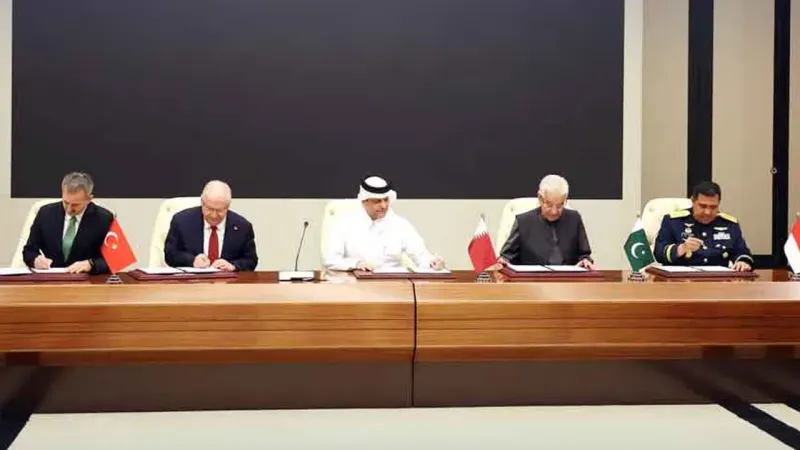
Pakistan, Türkiye, Qatar, Indonesia Sign Badr Defence MoU
 International Politics
Trump Waives New Russia Sanctions; Moscow Hails Move
 Middle East
Iran Backs Makkah Defence Pact, Ready to Join Unity Efforts
 Government
PM: Govt Working to Ensure Decent Livelihoods for All
 Oil & Gas
Govt Prioritises Transparent, Competitive LPG Allocation
 International Politics