Osteoporosis Affects Nearly 10 Million in Pakistan
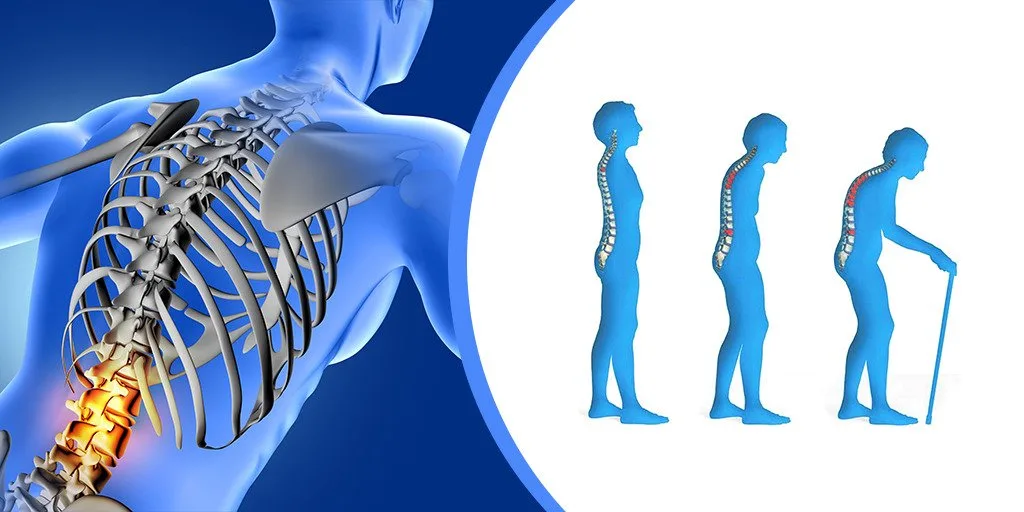
Osteoporosis is rapidly emerging as a serious yet neglected health issue in Pakistan, with approximately 9.9 million people currently suffering from the disease — including 7.2 million women — according to new figures released in connection with World Osteoporosis Day observed globally on October 20.
This progressive bone disease, characterized by weakened bones and a higher risk of fractures, is expected to worsen in the coming decades due to persistent nutritional deficiencies, sedentary lifestyles, and low sunlight exposure.
A recent study published in the Journal of the Pakistan Medical Association (JPMA) found that vitamin D3 deficiency is particularly widespread among pregnant women and children in Pakistan. The report attributes the rise in osteoporosis to limited outdoor activity, multiple pregnancies, and poor dietary intake of calcium and vitamin D. If these trends continue, experts warn that the number of people affected by osteoporosis could rise to 12.01 million by 2050.
Health professionals are urging authorities to launch nationwide screening programs and establish clinical guidelines for early detection and management. Preventive measures recommended by experts include vitamin D and calcium fortification, regular physical exercise, and adequate exposure to sunlight to help strengthen bone health.
The Asia Pacific Consortium on Osteoporosis, active in the region since 2019, has also raised concerns about the lack of locally developed treatment protocols in Pakistan, calling for urgent policy action to address the escalating burden of the disease.
Related stories
 Health
Childhood Cancer: Four Warning Signs Parents Should Know
 Health
Cloves May Help Strengthen Bones, Research Suggests
 Health
Health Minister: 2D Barcodes Mandatory on All Medicines
 Health
Too Much of a Good Thing: How Overeating Healthy Foods Can Harm Your Body
· 2 min read Health
DRAP Makes 2D Barcodes Mandatory on All Medicines: How to Verify Your Medicine by Scanning
 Health