NIH Issues Health Advisory Amid Rising Smog
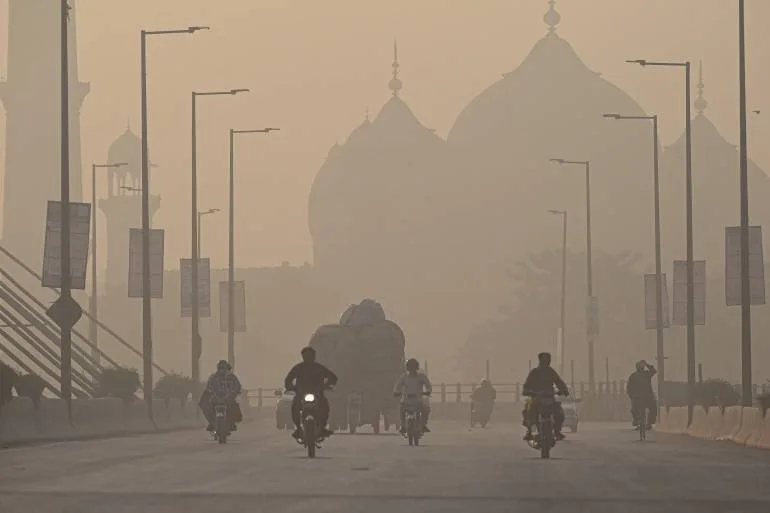
The National Institute of Health (NIH) has issued a warning about a significant rise in respiratory and cardiac illnesses as dense smog spreads across Pakistan from November through February. The advisory highlights the potential health risks posed by toxic pollutants combined with cold winter weather, which could severely impact public health, particularly among children, the elderly, and individuals with pre-existing health conditions.
According to the NIH, exposure to smog can trigger pneumonia and other respiratory complications, as harmful airborne particles mix with low temperatures. Beyond health risks, the advisory noted that smog also adversely affects the economy and overall quality of life, emphasizing the need for urgent attention and precautionary measures.
Healthcare professionals and environmental experts are urged to implement immediate steps to mitigate risks. Citizens may experience breathing difficulties, heart issues, and heightened exposure to dangerous pollutants during the smog season.
The advisory specifically identifies Lahore, Multan, Gujranwala, Rawalpindi, and Islamabad as cities at higher risk, with Lahore requiring urgent interventions due to its status as the most polluted city.
Authorities are encouraged to enhance monitoring of air quality, issue timely public warnings, and take preventive actions to protect vulnerable populations from the health impacts of winter smog.
Related stories
 Breaking
Lahore Traffic Police Seek Public Help to Report Smoke-Emitting Vehicles
 Health
GCU Student Completes 1,100km Lahore-to-Skardu Run in 21 Days
 Health
Punjab to Build Modern Cancer Centres in 4 More Cities
 Health
KP Government Proposes Top-Up Health Package Under Sehat Card Plus Programme
· 4 min read Health
Mustafa vows to bring health sector at par with int’l standards
 Health