New Nanobody Antivenom Targets 17 Deadly African Snakes
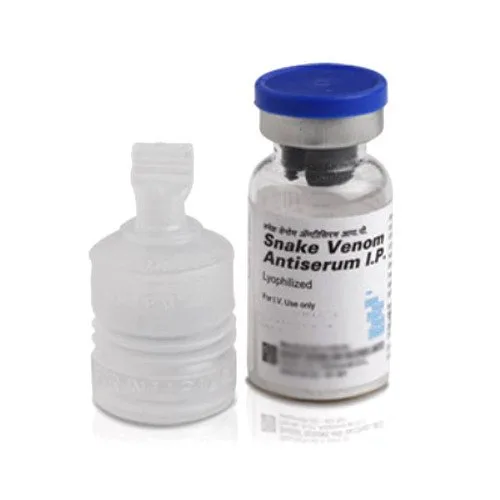
Scientists have developed a groundbreaking nanobody-based antivenom capable of targeting 17 of Africa’s most dangerous snake species, including cobras, mambas, and rinkhals (ring-necked spitting cobras). Each year, Africa sees over 300,000 snakebite cases, resulting in at least 7,000 deaths, as well as numerous amputations and other injuries. Traditional antivenoms, produced using horse serum, are limited in scope and can cause allergic reactions, often only protecting against one or a few closely related snake species.
The new antivenom uses eight engineered nanobodies—tiny antibody fragments designed to neutralize key venom toxins. These nanobodies were created by exposing an alpaca and a llama to venom from 18 African snakes. The animals produced special antibodies, which were then isolated, tested for effectiveness, and combined to create a synthetic antivenom that can diffuse quickly through tissues and reach toxins in hard-to-access areas of the body.
Experts have described the development as a “remarkable advance” in synthetic antivenom research. While production costs may be high, making deployment in poorer regions challenging, this innovation promises a safer and broader-acting treatment for snakebite victims, potentially saving thousands of lives across Africa.
Related stories
 Health
Childhood Cancer: Four Warning Signs Parents Should Know
 Health
Cloves May Help Strengthen Bones, Research Suggests
 Health
Health Minister: 2D Barcodes Mandatory on All Medicines
 Health
Too Much of a Good Thing: How Overeating Healthy Foods Can Harm Your Body
· 2 min read Health
DRAP Makes 2D Barcodes Mandatory on All Medicines: How to Verify Your Medicine by Scanning
 Health