NA Debates 27th Amendment Bill Amid PTI Opposition
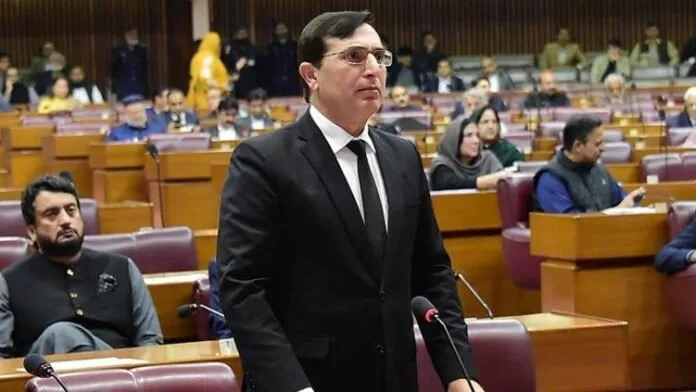
The National Assembly continued deliberations on the controversial 27th Constitutional Amendment Bill, 2025, a day after it was passed in the Senate amid protests. The proposed amendment — which seeks to establish a Federal Constitutional Court (FCC), grant lifetime immunity to the president, and introduce reforms in the judiciary and governance system — drew strong criticism from opposition members.
PTI Chairman Barrister Gohar Ali Khan accused the government of trying to “create another elite class” by granting immunity from criminal proceedings and arrests to the president. Calling it a “disservice to the constitutional oath,” Gohar said democracy would exist only in name if the bill passes, asserting that PTI “will not accept” it.
He also criticized the government for previously amending accountability laws to “clear corruption cases” and now attempting to place itself “above the law.” Referring to Prime Minister Shehbaz Sharif’s virtual participation from Baku, he dubbed the legislation the “Baku amendment.”
Law Minister Azam Nazeer Tarar, presenting the bill, defended it as part of the Charter of Democracy’s vision to ease the Supreme Court’s workload by transferring certain constitutional matters to the FCC. He emphasized that the suo motu powers of the judiciary were not being abolished but would now be subject to application and review.
The amendment also proposes transferring authority to move judges between courts to the Judicial Commission of Pakistan (JCP) and creating two apex bodies — the Supreme Court and the Federal Constitutional Court.
Notably, the bill includes a clause proposing the title of Field Marshal for Chief of Army Staff Asim Munir, in recognition of military successes during the May conflict with India, ensuring such titles remain lifetime honors unless revoked by Parliament.
Earlier, the bill passed the Senate with 64 votes, exceeding the required two-thirds majority, following the defection of two opposition senators. PPP Senator Farooq H. Naek clarified that the FCC would include equal provincial representation, while the presidential immunity clause would not apply if a former president holds public office.
As debate continues in the National Assembly, tensions remain high between treasury and opposition benches over what critics call a “power-consolidating amendment” and the government defends as a “constitutional necessity for governance and judicial balance.”
Related stories
 Politics
PM Condoles Rashid Bashir Virk on Father’s Demise
 Pakistan
Machine Readable Passports to Be Discontinued Within a Month
 Jobs
JobsMinistry Shares Figures on Pakistani Professionals Employed Abroad
 Politics
Naqvi: Every Effort Made to Avoid Emergency in KP
 Politics
Naqvi Briefs Bilawal on KP Security Situation
 Politics