Law Minister Defends 27th Amendment as a Historic Step
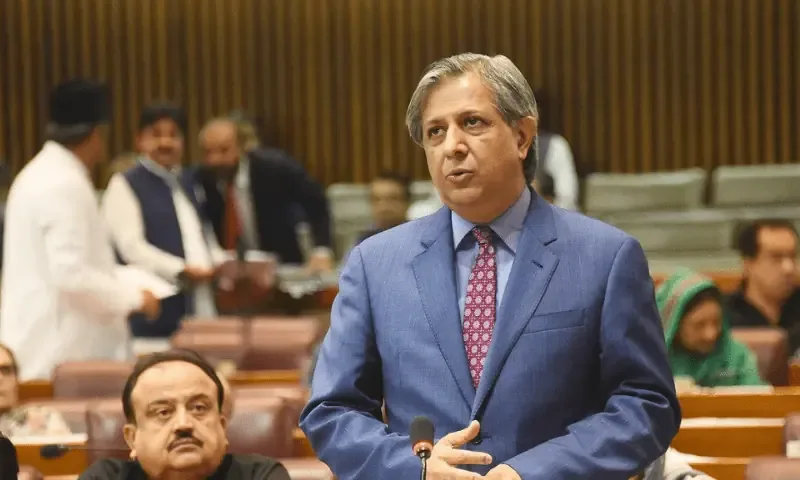
Pakistan’s Law Minister has described the 27th Constitutional Amendment as a historic and transformative measure, asserting that it strengthens the country’s federal system and introduces long-overdue institutional reforms.
Speaking at a public event attended by members of the legal fraternity, the minister said the amendment was designed to bring greater balance, fairness, and inclusivity to Pakistan’s constitutional framework. He emphasized that the reform aims to address structural gaps that have existed for decades and aligns with the evolving needs of the state.
Strengthening the Federal Structure
A central feature of the 27th Amendment is the establishment of a Federal Constitutional Court, which the government says will ensure equitable provincial representation in constitutional matters. According to the law minister, this move will help promote national cohesion by giving all federating units a stronger voice in constitutional interpretation.
He argued that the amendment builds on principles envisioned in earlier democratic charters and reflects a continuation of bipartisan efforts to modernize Pakistan’s governance and judicial systems.
Government’s Response to Criticism
The amendment has sparked debate across political and legal circles, with critics raising concerns over judicial independence and the redistribution of constitutional authority. Addressing these reservations, the law minister maintained that the reforms do not weaken the judiciary but rather streamline constitutional adjudication and improve institutional efficiency.
He dismissed claims of executive overreach, stating that the amendment respects the separation of powers and is focused on strengthening democratic institutions rather than undermining them.
Political and Legal Debate Continues
The 27th Amendment remains a subject of intense national discussion. Supporters view it as a progressive step toward a more representative and effective constitutional system, while opponents warn of potential long-term implications for judicial autonomy and democratic checks and balances.
As the debate continues, the amendment is expected to play a significant role in shaping Pakistan’s constitutional and legal landscape in the years ahead. Its practical impact will become clearer as institutions adapt to the new framework introduced by this historic reform.
Related stories
 Middle East
Iran Backs Makkah Defence Pact, Ready to Join Unity Efforts
 Politics
PM Condoles Rashid Bashir Virk on Father’s Demise
 Government
PM: Govt Working to Ensure Decent Livelihoods for All
 Oil & Gas
Govt Prioritises Transparent, Competitive LPG Allocation
 Politics
Naqvi: Every Effort Made to Avoid Emergency in KP
 Politics