Islamabad High Court Refuses to Grant Restraining Order in Cipher Trial Case
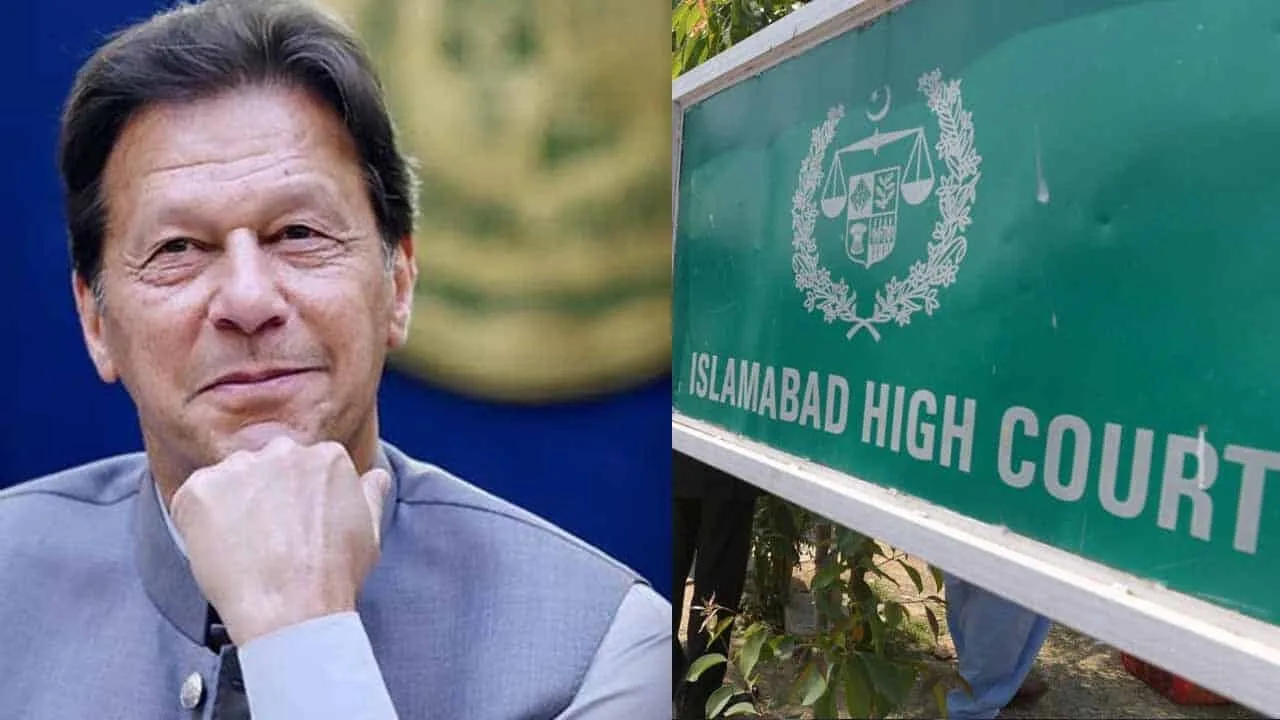
The Islamabad High Court (IHC) has rejected a plea seeking a restraining order on the cipher trial. The defense argued that instead of filing a complaint, an FIR was registered, and court proceedings were initiated.
Justice Miangul Aurangzeb, responding to the defense plea, issued a notice to the federation regarding the appeal against the indictment. He questioned the initiation of an in-camera trial when the court had initially ordered an open trial. The judge sought submission of necessary trial papers in the next hearing.
Challenging the reasons for the in-camera trial, the court emphasized the distinction between an open trial and a mere announcement for attendance. The judge expressed concern about the trial's transparency and questioned the need for in-camera proceedings during a jail trial.
The Attorney General informed the court that media attendance was allowed, but the judge insisted on a formal order. The court raised doubts about the transparency of cross-examination if conducted in the presence of the media.
The Attorney General explained that the three individuals cross-examined were associated with the code and decode of the cipher. The court emphasized the importance of running a strong case properly and expressed concerns about the understanding of an open trial.
Prosecutor Raja Rizwan Abbasi argued that the plea against the in-camera trial was non-maintainable and offered assistance to the court on the matter.
The Attorney General assured the court that only four witnesses would undergo in-camera cross-examination, specifically related to the Foreign Office's cipher security.
The bench adjourned further hearing on the plea against the in-camera hearing until January 11.
Related stories
 Politics
PM Condoles Rashid Bashir Virk on Father’s Demise
 Politics
Naqvi: Every Effort Made to Avoid Emergency in KP
 Politics
Naqvi Briefs Bilawal on KP Security Situation
 Politics
PM Shehbaz Invites Opposition Leader Achakzai for Meeting
 Politics
PM Shehbaz Meets MQM-P Delegation, Briefs on KP Situation
 Politics