Govt assures IMF of timely power tariff hikes, subsidy cap agreed under $7bn EFF
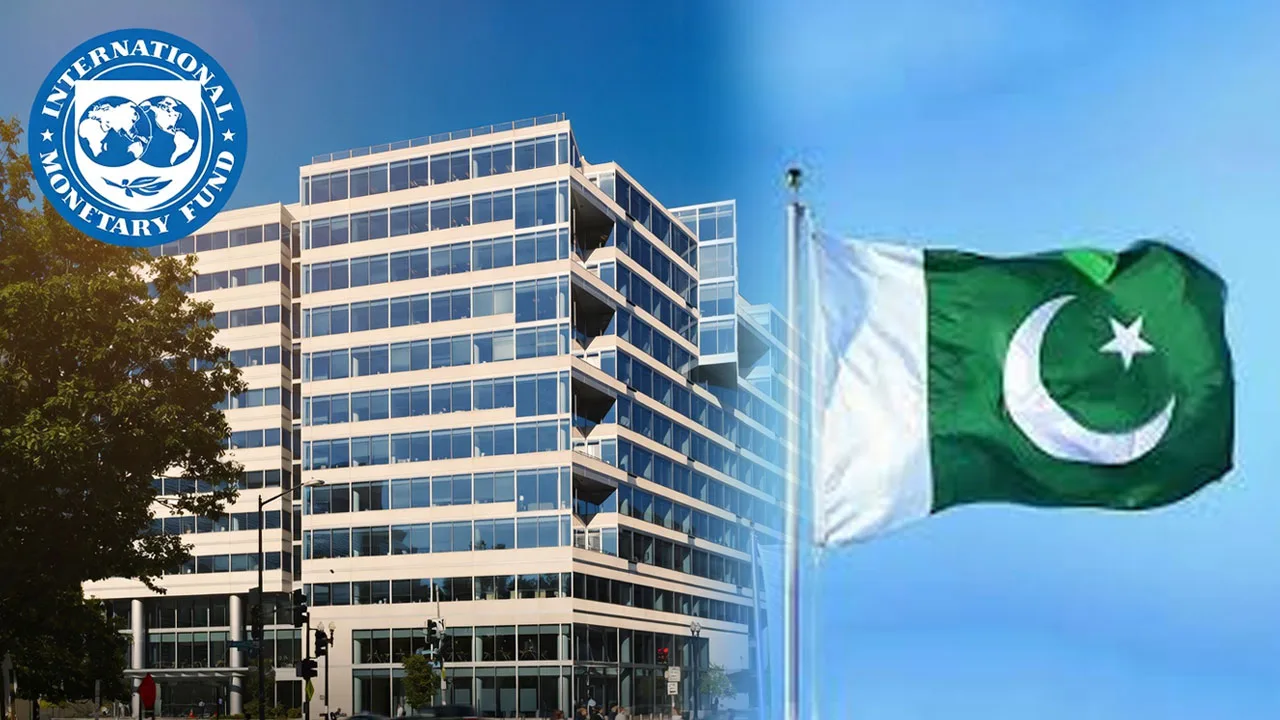
Pakistan has assured the International Monetary Fund (IMF) that it will implement timely electricity tariff adjustments and limit power sector subsidies to Rs830 billion in the upcoming budget to ensure the sustainability of the energy sector amid ongoing global market challenges.
The new baseline electricity tariff will take effect from January 15, 2027, as part of the structural benchmarks agreed under the $7 billion Extended Fund Facility (EFF) with the IMF.
The privatisation of power distribution companies — including Iesco, Gepco, and Fesco — has been delayed once again, with completion now expected by early 2027. Meanwhile, the government is evaluating the feasibility of privatising two state-owned generation companies (Gencos), Nandipur and Guddu, in collaboration with the Privatisation Commission.
In line with international best practices, the government has committed to applying the recently approved net billing regulation for new solar consumers to maintain a balance between solar generation and grid demand. These measures are aimed at preventing the re-emergence of circular debt in the power sector.
Top government officials confirmed that, with the allocated subsidy and timely tariff adjustments, the flow of circular debt (CD) will be restricted to a maximum of Rs300 billion. The government remains committed to bringing the gross circular debt flow down to zero by FY31.
Pakistan has formally assured the IMF in writing of its commitment to achieving energy sector viability, which is critical for maintaining overall macroeconomic stability. This includes ensuring that electricity tariffs are adjusted regularly to fully recover costs and prevent the accumulation of new circular debt.
The government has also finalised the Integrated Energy Plan (IEP), targeted for completion by April 2027, to enable more informed decision-making across the entire energy value chain. Additionally, the Circular Debt Management Plan (CDMP) is expected to be presented to the federal cabinet by the end of July 2026. The plan will focus on implementing progressive and cost-reflective tariff adjustments across different consumer categories, along with full adherence to quarterly tariff adjustments (QTAs) and monthly fuel charge adjustments (FCAs) by Nepra.
Following the circular debt stock reduction exercise in FY26 and continued improvements in operational efficiency, the FY27 federal budget will allocate a power sector subsidy of Rs830 billion. This subsidy will cover tariff differentials for Discos and K-Electric, payments for Fata, agricultural tubewells, and circular debt stock settlements.
The government aims to finalise settlements with all Independent Power Producers (IPPs) by the end of June 2026, under which penalty payments on arrears will be waived as part of the broader circular debt reduction strategy. Efforts are also underway to resolve the long-standing dispute with K-Electric, currently under litigation, by December 2026.
As part of structural reforms, the government is advancing private sector participation in the management of power distribution companies. The second batch of Discos — Hesco and Sepco — will see completion of conditions precedent, including clearance of outstanding subsidy claims and balance sheet issues, by the end of December 2026.
Other key reforms include the appointment of a CEO for the Independent System and Market Operator (ISMO), the operationalisation of the National Grid Company (NGC), and the establishment of the Energy Infrastructure and Development Management Company (EIDMC). The National Electric Power Regulatory Authority (Nepra) has already issued wheeling auction guidelines, with the first 200MW wheeling auction scheduled by the end of June 2026 under the Competitive Trading and Bilateral Contract Market (CTBCM) framework.
These comprehensive measures reflect Pakistan’s strong commitment to power sector reforms, improved governance, and long-term energy sustainability as part of its engagement with the IMF.
Related stories
 Middle East
Iran Backs Makkah Defence Pact, Ready to Join Unity Efforts
 Business
Aurangzeb Reaffirms Stability, Meets Banks and UNDP Chief
 Government
PM: Govt Working to Ensure Decent Livelihoods for All
 Oil & Gas
Govt Prioritises Transparent, Competitive LPG Allocation
 Business
Pakistan to Chair World Bank, IMF Boards in 2027
 Business