Fitch affirms Pakistan’s credit rating at ‘B-’
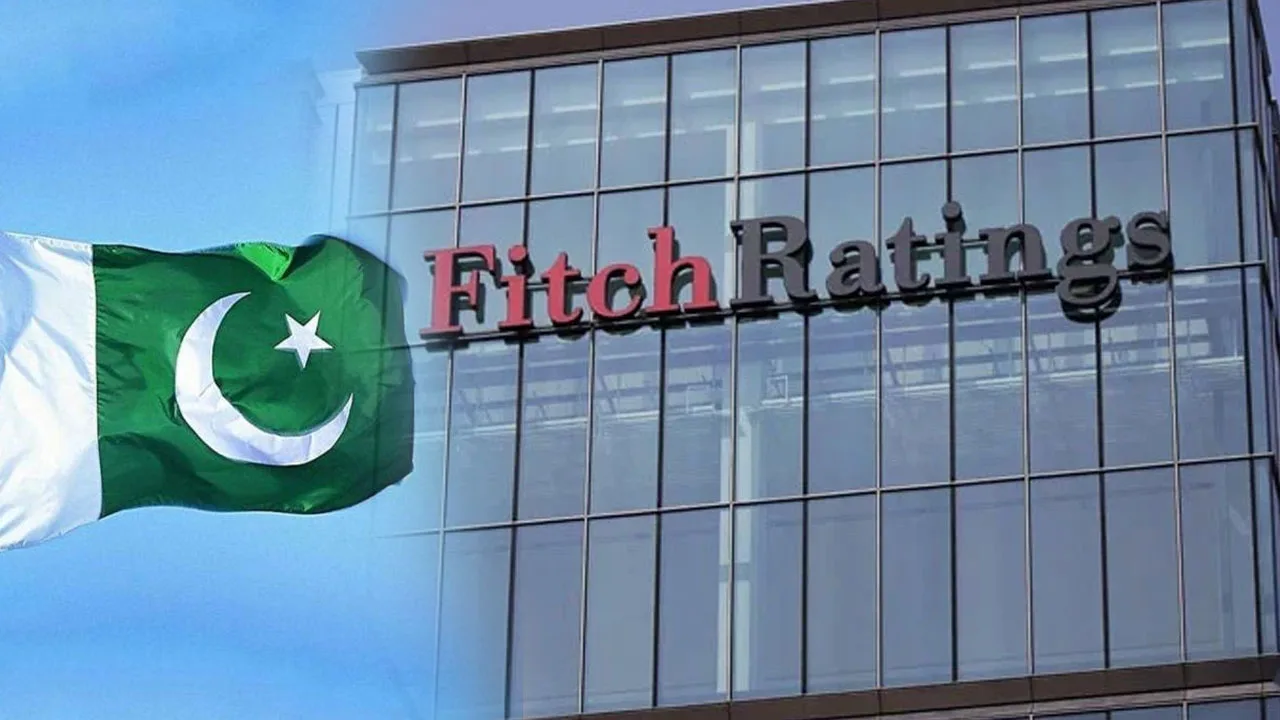
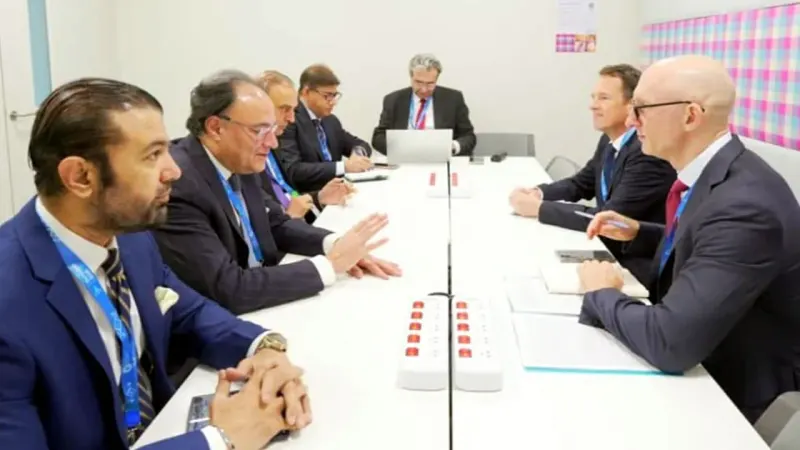
ISLAMABAD: Fitch Ratings has affirmed Pakistan’s long-term foreign currency Issuer Default Rating (IDR) at ‘B-’ with a stable outlook, citing improvements in fiscal consolidation and macroeconomic stability aligned with the country’s IMF programme. The agency noted that strengthened foreign exchange reserves over the past year provide a buffer against external shocks, including geopolitical tensions in the Middle East, while Pakistan’s diplomatic role could offer some offsetting benefits.
However, Fitch highlighted significant risks, particularly Pakistan’s heavy reliance on imported energy, with around 90% of oil sourced from the Gulf. Limited storage capacity and exposure to supply disruptions remain key vulnerabilities. While recent fuel subsidies have been managed through budget reallocations and targeted support, rising global energy prices are expected to push inflation higher, averaging 7.9% in FY26—still significantly lower than 23.4% in FY24.
The agency acknowledged progress in securing external financing, including a staff-level agreement with the IMF unlocking $1.2 billion, which will support fiscal discipline and attract further multilateral and bilateral funding. Despite this, economic growth is expected to remain modest at around 3.1% in FY26, supported by improved confidence and lower borrowing costs.
Pakistan’s external financing needs are projected to increase, with debt repayments rising to $12.8 billion in FY26. While much of this is expected to be managed through international support and commercial borrowing, fiscal pressures persist. Fitch expects the primary surplus to narrow and government debt levels to remain elevated, though gradually declining over time.
The current account is also forecast to shift back into a deficit, driven by higher imports and exchange rate pressures. Although foreign exchange reserves improved to nearly $28.4 billion in early 2026, they are expected to decline due to debt repayments and external obligations.
Fitch also pointed to regional tensions and global market volatility as ongoing risks, though it expects limited immediate economic impact. Overall, while Pakistan has made progress in stabilizing its economy, maintaining reforms and managing external vulnerabilities will be critical for sustained growth.
Related stories
 Middle East
Iran Backs Makkah Defence Pact, Ready to Join Unity Efforts
 Business
Aurangzeb Reaffirms Stability, Meets Banks and UNDP Chief
 Government
PM: Govt Working to Ensure Decent Livelihoods for All
 Economy
Aurangzeb, Fitch Discuss Pakistan’s Credit Outlook
 Oil & Gas
Govt Prioritises Transparent, Competitive LPG Allocation
 Business