Aurangzeb arrives in Washington for IMF, World Bank spring meetings
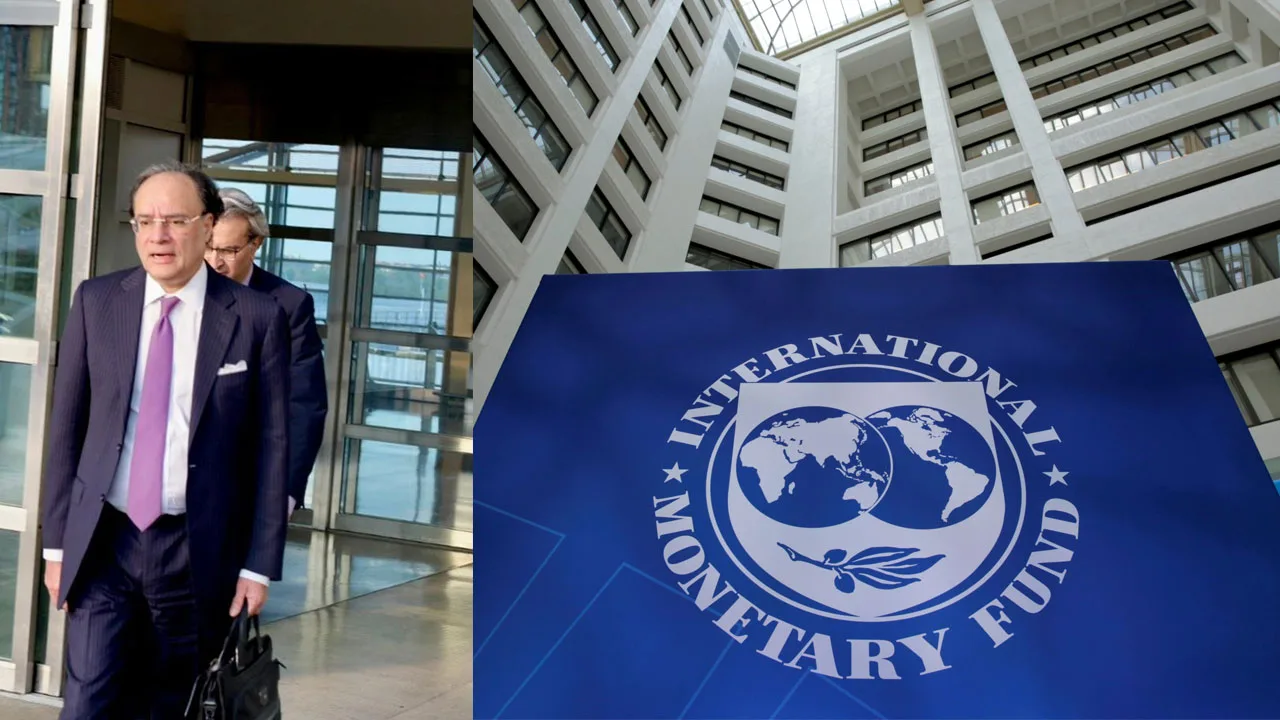
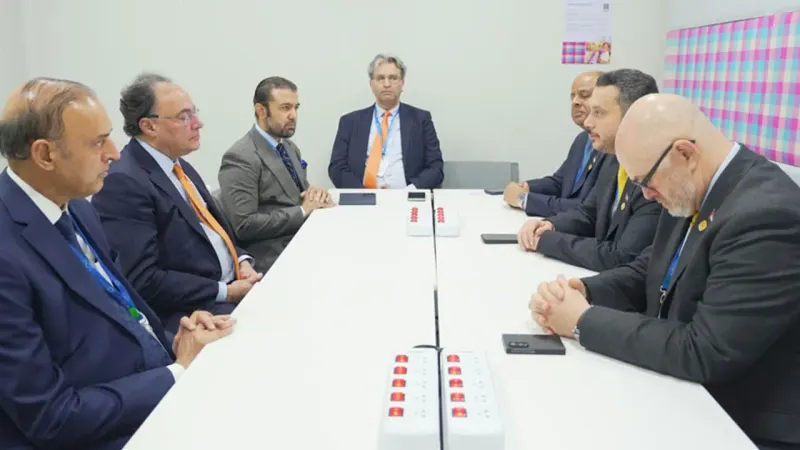
Finance Minister Muhammad Aurangzeb arrived in Washington on Monday to participate in the World Bank Group and International Monetary Fund (IMF) Spring Meetings 2026, according to the Ministry of Finance.
During his visit, he is expected to engage in important discussions with global financial leaders to promote Pakistan’s reform agenda and highlight its key economic priorities.
Finance Minister Senator Muhammad Aurangzeb arrives in Washington for World Bank-IMF Spring Meetings 2026. Following engagements at Harvard, the Minister will hold key meetings with global financial leaders to advance Pakistan’s reform agenda and economic priorities. pic.twitter.com/fBST3rOh3t
— Ministry of Finance, Government of Pakistan (@Financegovpk) April 13, 2026
Finance Minister Muhammad Aurangzeb arrived in Washington on Monday to participate in the World Bank Group and International Monetary Fund (IMF) Spring Meetings 2026, according to the Ministry of Finance. During his visit, he is expected to engage in important discussions with global financial leaders to promote Pakistan’s reform agenda and highlight its key economic priorities.
Aurangzeb had departed for the United States on Saturday to attend the high-level gathering taking place from April 13 to 18 in Washington, DC, where finance ministers, central bank governors, policymakers and development experts are convening amid global economic uncertainty. He will represent Pakistan at key IMF and World Bank events, while also engaging with leading academics, policymakers, and members of the Pakistani diaspora to share the country’s economic outlook, reform trajectory, and growth prospects.
During the visit, he is scheduled to meet senior IMF leadership, including First Deputy Managing Director Dan Katz, Deputy Managing Director Nigel Clarke, and Director of the Middle East and Central Asia Department Jihad Azour. The visit underscores Pakistan’s commitment to macroeconomic stability, structural reforms, and stronger partnerships with international financial institutions to achieve sustainable and inclusive growth.
Meanwhile, the IMF, World Bank, and International Energy Agency have recently announced a joint coordination mechanism to help countries manage economic disruptions caused by the ongoing war. The initiative focuses on monitoring global energy markets and assessing the broader macroeconomic impact of supply disruptions, price volatility, and financial stress. The IMF has also warned that the conflict has intensified volatility in global oil and gas markets, tightened financial conditions, and increased the cost of essential commodities such as food and fertiliser.
Related stories
 Business
WB Vows Support for Digital Skills Among Pakistani Youth
 Breaking
Four NHA Projects Planned Under Public-Private Partnership
 Middle East
Iran Backs Makkah Defence Pact, Ready to Join Unity Efforts
 Business
Aurangzeb Reaffirms Stability, Meets Banks and UNDP Chief
 Government
PM: Govt Working to Ensure Decent Livelihoods for All
 Oil & Gas