Ahsan Iqbal Supports Pakistan’s Role in Trump’s Board of Peace
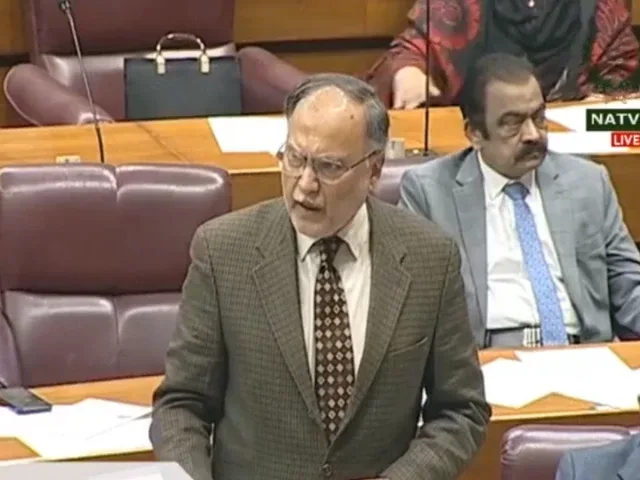
Planning Minister Ahsan Iqbal has publicly defended Pakistan’s recent decision to join the Board of Peace, an international initiative launched by US President Donald Trump aimed at supporting peace efforts in Gaza. The minister emphasized that Pakistan’s participation strengthens regional peace initiatives alongside other Muslim countries.
Pakistan’s Role in the Board of Peace
Pakistan accepted the invitation to join the Board of Peace just a day prior to the signing ceremony held in Davos. Although the Foreign Office has not released detailed information about the board’s structure or functions, officials indicated that the forum will facilitate ceasefire coordination, humanitarian aid, and post-conflict reconstruction under UN guidance.
Ahsan Iqbal’s Remarks in the National Assembly
Addressing the National Assembly, Iqbal reaffirmed Pakistan’s firm stance on Israel, describing it as a "brutal country" and underscoring Pakistan’s commitment to sovereignty and security. He expressed empathy for the situation in Gaza, stating that Pakistan’s involvement in the board prevents the country from being isolated in its support for peace.
He highlighted that Pakistan is joining forces with Muslim nations such as Saudi Arabia, Turkey, Qatar, and the UAE to promote stability in the region. Iqbal also noted that the current government’s leadership ensures Pakistan’s security and stability are safeguarded, contrasting rhetoric with concrete diplomatic achievements.
Opposition Criticism and Concerns
The decision to join the Board of Peace has drawn criticism from opposition parties. JUI-F chief Maulana Fazlur Rehman questioned the lack of consultation with the National Assembly and the cabinet, criticizing the board’s formation as unilateral and led by Trump himself. He expressed skepticism about the board’s effectiveness and Pakistan’s foreign policy direction, recalling Pakistan’s historical stance on Israel.
The Pakistan Tehreek-e-Insaf (PTI) also rejected the move, emphasizing the need for transparency and inclusive political dialogue before making decisions of international significance. Similarly, Senate Opposition Leader Allama Raja Nasir Abbas criticized the absence of Palestinian representation on the board and labeled it the "Occupation Board."
Government’s Response to Criticism
In response to opposition concerns, Ahsan Iqbal stated that Pakistan does not require lessons on its security and highlighted the country’s diplomatic prominence as a success. He reiterated that Pakistan’s participation in the board is a strategic contribution to peace efforts in the Muslim world.
Context and Next Steps
The Board of Peace initiative seeks to support the implementation of the Gaza Peace Plan through coordinated efforts involving ceasefire arrangements, humanitarian relief, and reconstruction. Pakistan’s involvement alongside key Muslim allies reflects its ongoing engagement in regional peace processes despite domestic political debates about the decision-making process.
Related stories
 International
Pakistan Calls for Immediate End to Violence in Sudan
 Middle East
Iran Backs Makkah Defence Pact, Ready to Join Unity Efforts
 Politics
PM Condoles Rashid Bashir Virk on Father’s Demise
 Government
PM: Govt Working to Ensure Decent Livelihoods for All
 Pakistan
Machine Readable Passports to Be Discontinued Within a Month
 Oil & Gas